
10 Common Mistakes to Avoid When Buying Used Caravans for Sale
Buying a caravan can open the door to memorable weekends, family holidays and spontaneous trips around the UK. But buying a used caravan is not something you should rush. A caravan may look excellent from the outside while hiding problems that could become expensive later.
If you are searching for Used Caravans for Sale, knowing what to check before handing over your money can make a huge difference. From overlooking damp to choosing the wrong layout, small mistakes can quickly turn an exciting purchase into a frustrating experience.
Chipping Sodbury Caravans, based in Chipping Sodbury near Bristol, offers used caravans from manufacturers including Bailey and Swift, alongside servicing, repairs and after-sales support. Its current used stock includes different berth sizes, layouts and specifications, showing why buyers need to compare more than just the asking price.
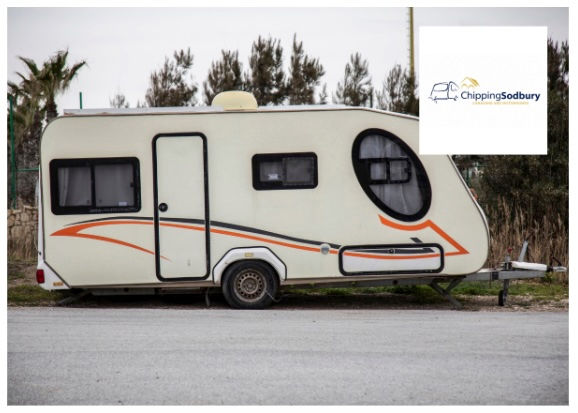
Decide What You Really Need
Before looking at individual caravans, think about how you plan to use one. Will it mainly be for couples' weekend breaks, family holidays or longer touring trips?
The number of people travelling with you should influence the berth, sleeping arrangement and available living space. Current used stock at Chipping Sodbury Caravans demonstrates how different layouts can be. For example, its listings include two-berth, four-berth and five-berth touring caravans, with features such as fixed beds, bunk beds, side dinettes and end washrooms.
Make a simple list of your priorities before visiting a showroom. Consider sleeping capacity, washroom arrangement, kitchen space, storage, towing weight and optional equipment.
Think of this stage like buying a pair of walking boots. The most expensive pair is not necessarily the right one; the best choice is the pair that fits your journey.
Mistake #1: Choosing on Looks Alone
A clean exterior and attractive interior can be very persuasive. However, appearance should be only the beginning of your inspection.
Open cupboards, check storage areas and look carefully around windows, roof vents, doors and floor edges. Examine upholstery, flooring and furniture for signs of excessive wear. Pay attention to unusual smells too.
A caravan can be beautifully presented and still require attention. Instead of asking only, "Does it look good?", ask, "What evidence do I have that it has been properly cared for?"
When viewing a caravan, take your time. Sit in the seating areas, open drawers and cupboards, inspect the washroom and check whether everything feels solid and well maintained.
Mistake #2: Ignoring Damp and Water Damage
One of the most important checks when buying a used caravan is looking for evidence of damp or water ingress.
Water can enter through damaged seals, windows, roof fittings, doors and other openings. If moisture remains unnoticed, it can cause deterioration to walls, floors and furniture.
Look for staining, bubbling surfaces, soft flooring, discolouration and musty smells. Do not assume that a recently cleaned interior means there are no moisture issues.
If you are uncertain about the condition, ask the seller what inspections have been carried out and whether relevant documentation is available. A professional inspection can also provide additional reassurance.
This is one area where patience pays off. Spending extra time checking for potential water damage before purchase could save you from dealing with a much bigger repair later.
Mistake #3: Forgetting Weight and Towing Limits
A caravan must be suitable for the vehicle towing it. One of the easiest mistakes is falling in love with a caravan before checking whether your car can legally and comfortably tow it.
Look at the caravan's relevant weight figures and compare them with your vehicle's towing capacity. You should also consider what you intend to carry inside the caravan.
Remember that luggage, camping equipment, food, bicycles and other belongings add weight.
For example, a current Swift Eccles listing at Chipping Sodbury Caravans gives an MTPLM of 1,476kg, along with dimensions and other specifications. These details are useful because they allow prospective buyers to assess whether a particular caravan matches their towing requirements.
Never guess when it comes to towing limits. Check the figures for both the car and caravan before committing to a purchase.
Mistake #4: Not Checking the Interior Layout
Two caravans with the same number of berths can feel completely different inside.
One family might prefer fixed bunk beds for children, while another might value a larger washroom or more comfortable front lounge. Couples may prioritise a fixed bed and generous storage instead of additional sleeping capacity.
Think about how you will actually use the caravan at 7 a.m. on a rainy morning—not just how it looks during a sunny showroom visit.
Can everyone move around comfortably? Is there enough seating? Can you access storage without disturbing someone sleeping? Does the kitchen provide enough room for the meals you expect to prepare?
Current used listings show how much layouts can vary. For instance, one Bailey Pegasus GT70 Palermo listing features five berths, fixed bunk beds and an end washroom, while a Bailey Discovery D4-4 is described as a four-berth caravan with a French bed and end washroom.
Mistake #5: Skipping the Mechanical and Electrical Checks
A caravan is more than furniture on wheels. Its heating, refrigerator, cooker, lighting, water systems, electrical equipment and other features should all be considered.
During a viewing, ask what equipment is included and whether the major systems have been tested.
If the caravan has a motor mover, solar panel, heating system, alarm or other fitted equipment, ask whether these features are functioning correctly.
One current Swift Eccles listing, for example, specifies a motor mover, 150-watt solar panel, Alde heating, three-way fridge, dual-fuel hob, oven, microwave and other equipment.
Do not assume that every feature works simply because it appears in the specification. Ask questions and, where possible, test the equipment before completing the purchase.
Mistake #6: Ignoring the Caravan's History
A caravan's age tells you something, but it does not tell you everything.
A well-maintained older caravan may be a sensible option, while a poorly maintained newer caravan could create problems. That is why you should ask about its ownership history, servicing, repairs and general maintenance.
Request available paperwork and check whether previous work has been documented. Ask about any modifications or accessories that have been added.
You should also make sure the caravan's identifying information and documentation are consistent with the vehicle you are viewing.
If you are buying from a dealership, ask what preparation or checks are carried out before the caravan is sold.
Mistake #7: Focusing Only on the Purchase Price
It is natural to compare prices. But the cheapest caravan is not automatically the cheapest option in the long term.
Consider the total cost of ownership, including insurance, servicing, tyres, maintenance, storage, accessories, towing equipment and possible repairs.
You may also need items such as an awning, steps, electrical cables, gas equipment, security devices or other camping accessories.
Current Chipping Sodbury Caravans listings demonstrate why buyers should compare specifications as well as prices. Its used stock includes different makes, models, berth configurations and equipment levels, while some listings also show finance options.
A slightly higher purchase price may come with equipment or support that changes the overall value of the purchase. The important thing is to understand exactly what you are getting.
Mistake #8: Not Checking Equipment and Accessories
Imagine arriving at your first campsite only to discover that something essential is missing. It can quickly take the excitement out of your trip.
Before purchasing, ask exactly what is included.
This might include:
Motor mover
Solar panels
Awning
Heating equipment
Microwave
Fridge
TV or entertainment equipment
Mains cable
Spare wheel
Security equipment
Camping accessories
Do not rely on assumptions. Ask for a written list of included equipment if necessary.
For example, the Swift Eccles listing currently highlights features including a motor mover, solar panel, heating, alarm, BBQ point, exterior 240V socket, USB sockets and blinds and flyscreens.
Knowing what is included makes it easier to compare two caravans fairly.
Mistake #9: Forgetting Warranty and After-Sales Support
Buying the caravan is only one part of ownership. What happens if you discover a problem after you take it home?
This is why it is worth understanding the seller's warranty and after-sales arrangements before buying.
Ask what warranty is included, what it covers, how long it lasts and who you should contact if something goes wrong.
Chipping Sodbury Caravans highlights its after-sales services, including caravan servicing and repairs, and individual used listings can specify warranty information. For example, its current Swift Eccles listing states a 12-month warranty.
Support after the sale can be particularly useful for first-time caravan owners. A dealership that can help with servicing, repairs, accessories and spare parts may provide useful ongoing support.
Mistake #10: Rushing the Buying Decision
Perhaps the biggest mistake is feeling that you must buy immediately.
A good caravan should still make sense after you have had time to think about it.
Take photographs and notes during your viewing. Compare specifications. Review the paperwork. Check the towing requirements. Ask questions about anything you do not understand.
If finance is available, do not look only at the monthly payment. Consider the deposit, interest, agreement length and total amount payable. Chipping Sodbury Caravans publishes representative finance examples on its used stock pages, while noting that it acts as a credit broker rather than a lender.
Never let excitement replace due diligence. Your future self will thank you for taking an extra hour to investigate a major purchase.
A Practical Inspection Checklist
When viewing Used Caravans for Sale, take a simple checklist with you.
Exterior
Check:
Body panels
Windows and seals
Doors and locks
Roof and roof fittings
Tyres
Chassis and visible components
Lights and external sockets
Signs of previous repairs
Interior
Check:
Floors
Walls and ceilings
Furniture
Cupboards
Beds
Upholstery
Washroom
Kitchen
Storage
Signs of damp or unusual smells
Equipment
Ask about:
Heating
Refrigerator
Cooker
Water system
Electrical system
Motor mover
Solar panel
Alarm
Battery
Included accessories
Documentation
Check:
Identification details
Ownership information
Service records
Repair records
Warranty details
Equipment included in the sale
Finance arrangements, where applicable
Towing
Before buying, confirm:
Your vehicle's towing capability
Caravan weight
Loaded weight requirements
Suitable towing equipment
Your licence requirements
A checklist helps prevent excitement from taking over. Instead of walking around thinking, "I love it," you can work through each important question methodically.
Why Buying From an Established Dealer Can Help
Private sales can sometimes offer interesting opportunities, but purchasing through an established dealership can provide a different buying experience.
Chipping Sodbury Caravans describes itself as a family-run dealership based near Bristol and says it has specialised in Bailey products since 1996. The business also stocks used caravans from different manufacturers, including Bailey and Swift.
Its services extend beyond sales, with caravan servicing, repairs, accessories and spare parts available through its after-sales operation.
This does not mean every dealership or every individual caravan will suit every buyer. Instead, it highlights an important point: look at the complete buying proposition, not simply the vehicle's price tag.
How to Compare Two Used Caravans
Suppose you find two caravans within your budget. How do you decide between them?
Start by comparing the things that matter most to your lifestyle.
Factor | Questions to Ask |
Price | What is included in the asking price? |
Layout | Does it suit everyone travelling? |
Berth | Is the sleeping capacity sufficient? |
Weight | Can my towing vehicle handle it? |
Condition | Are there signs of damp or damage? |
Equipment | Which appliances and accessories are included? |
History | Is maintenance information available? |
Warranty | What protection is included? |
Support | What after-sales services are available? |
Running Costs | What will ownership cost beyond the purchase? |
This simple comparison can reveal that the caravan with the lower sticker price is not necessarily the better fit for your needs.
Final Thoughts
Buying a used caravan should be exciting, not stressful. The key is to slow down, ask questions and inspect the details that are easy to overlook. Check for damp, confirm the towing requirements, examine the layout, test important equipment and understand the paperwork before making your decision.
Whether you are a first-time buyer or an experienced tourer, careful research can help you find a caravan that fits both your lifestyle and your budget. Chipping Sodbury Caravans currently offers a range of used touring caravans near Bristol, with different manufacturers, layouts and specifications available.
The right caravan is not simply the one that looks impressive on the forecourt. It is the one that works for the way you actually want to travel.
Frequently Asked Questions
1. What should I check first when buying a used caravan?
Start with the caravan's overall condition, particularly signs of damp or water ingress. Then check the layout, weight, tyres, equipment, documentation and service history. A thorough inspection is much safer than judging the caravan by appearance alone.
2. How do I know if a caravan is suitable for my car?
Compare the caravan's relevant weight figures with your vehicle's towing capacity. You should also consider the weight of passengers, luggage and equipment you will carry. If you are unsure, consult the vehicle manufacturer's specifications or a qualified professional.
3. Is a newer caravan always better than an older one?
Not necessarily. Age is only one factor. Maintenance, condition, previous use, servicing and equipment can all influence whether a particular caravan suits your needs. Compare the complete condition and history rather than relying on the registration or model year alone.
4. Should I check for damp before buying a caravan?
Yes. Damp and water ingress are important issues to investigate because moisture can cause significant damage if left untreated. Look for staining, unusual smells, soft areas and other warning signs, and consider obtaining a professional inspection if you have concerns.
5. What should I ask a caravan dealer before buying?
Ask about the caravan's history, condition, servicing, warranty, included equipment, weight specifications and any known repairs or modifications. You should also ask about finance terms, if applicable, and what after-sales servicing or repair support is available.


