
5 Safety Tips for Installing and Using Gas Appliances at Home
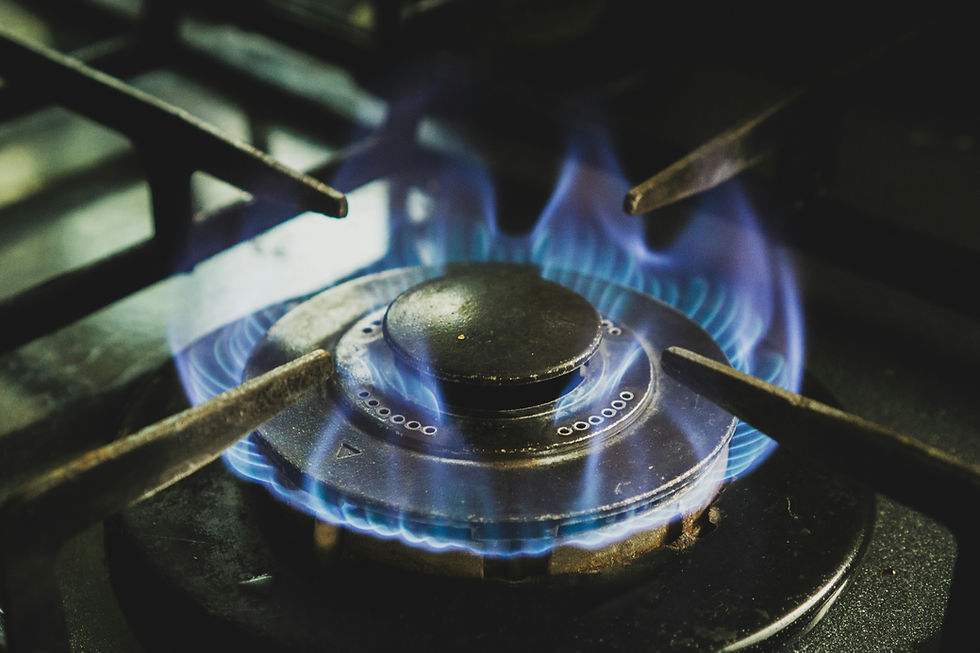
Gas-powered appliances, such as the stove, water heater, and fireplace, are essential features in many homes in New Zealand, supporting essential household needs and keeping homes comfortable. That said, proper installation and handling are key to ensuring gas-powered appliances work as intended for years to come. To that end, here are practical safety measures to follow when setting up and caring for new and existing gas appliances in your home.
Let the Professionals Handle the Installation, Repairs, and Maintenance
It’s tempting to handle the installation and upkeep of gas appliances by yourself. Seeing that they’re a part of everyday life, you may assume that working on them is no different from caring for other household appliances. However, gas appliances rely on secure connections and correct adjustments to operate safely. Mistakes made during DIY installation or repairs may cause gas leaks or allow harmful fumes to build up.
This is why having qualified gas fitters in Dunedin manage the installation, repair, and servicing of any gas appliance in your home is the safest choice. Their expertise allows them to complete a range of tasks correctly, from connecting new appliances to repairing flues. When hiring a gasfitter, check that they hold a current practising licence and ask for the relevant safety certificates once the work is complete. These documents give you a clear record of the work and may be useful if the appliance needs servicing or develops a problem later.
Follow the Manufacturer’s Instructions
Although many gas appliances share similar functions, they don’t all work in the same way or have the same features. Some come with smart controls, while others rely on manual knobs and switches. Knowing how to operate each one properly can help prevent mistakes and accidents. So, make sure to follow each appliance’s specific instructions, even if you have used similar equipment before. These guidelines explain where and how the appliance should be used, including any clearance and ventilation requirements.
Also, it’s best practice to keep your appliance manuals in a safe and accessible place, like a drawer or cupboard. This makes it easier to grab them when needed. If the manual is lost, you can search for a digital copy online or contact the manufacturer. Moreover, whenever you need clarification on a certain setting, refer to the relevant manual instead of guessing. This makes you more familiar with your gas-powered appliances, helping you operate them with greater confidence and care.
Ensure Rooms, Vents, and Flues Are Well-Ventilated
Fresh air is essential whenever gas appliances are in use, since they may produce combustion fumes as they operate, which can affect indoor air quality. Therefore, proper ventilation is necessary to prevent fumes from building up indoors.
Keeping air vents open and ensuring nothing is blocking them can help maintain a steady supply of fresh air indoors. Flues also need to remain clear, so that they can effectively carry fumes away from the appliance and out of your home. Extra care is necessary with unflued gas heaters. These appliances release combustion products directly into the room and should not be used in enclosed spaces, bedrooms, or bathrooms. If a room feels stuffy or you notice unusual odours while a gas appliance is operating, turn it off and arrange a professional inspection.
Turn Off Manually Operated Appliances When Not in Use
A manually operated gas appliance continues to use gas for as long as its flame is burning. Leaving it on after you’ve finished using it can waste fuel and create an unnecessary risk, especially if someone accidentally touches a hot surface or a nearby item catches fire.
In this regard, cookers, portable heaters, and similar appliances should be switched off as soon as they’re no longer in use. Check that the control has been turned fully to the off position. This small habit is particularly important before leaving the room, going to bed, or leaving the house, as it reduces the risk of an unattended flame causing an accident.
Know What to Do If You Smell Gas
The smell of gas is a warning that something may be wrong with an appliance, gas line, or LPG cylinder. Even a faint odour should be taken seriously, as a leak can create a fire or explosion risk.
If you notice this smell, avoid doing anything that could create a spark. Don’t light a match, use a lighter, or turn electrical switches on or off in the affected area. If it’s safe to do so, turn off the gas supply and open doors or windows to let fresh air in. Leave the property afterwards and make sure everyone else gets out as well.
Call 111 from a safe location and explain that you suspect a gas leak. Don’t return indoors until emergency services or a qualified professional confirms that it is safe. A proper inspection can identify the source of the leak and help prevent the same problem from happening again.
It’s easier to feel comfortable at home when safety is part of the way gas appliances are used. Small acts of care can become second nature, helping your household avoid risks before they develop into serious problems. When something seems unusual, taking it seriously is always the wiser choice. That mindset can help keep your home secure while allowing you to enjoy the convenience gas appliances provide.


