
5 Signs It's Time to Upgrade Your Home's Heating and Air System
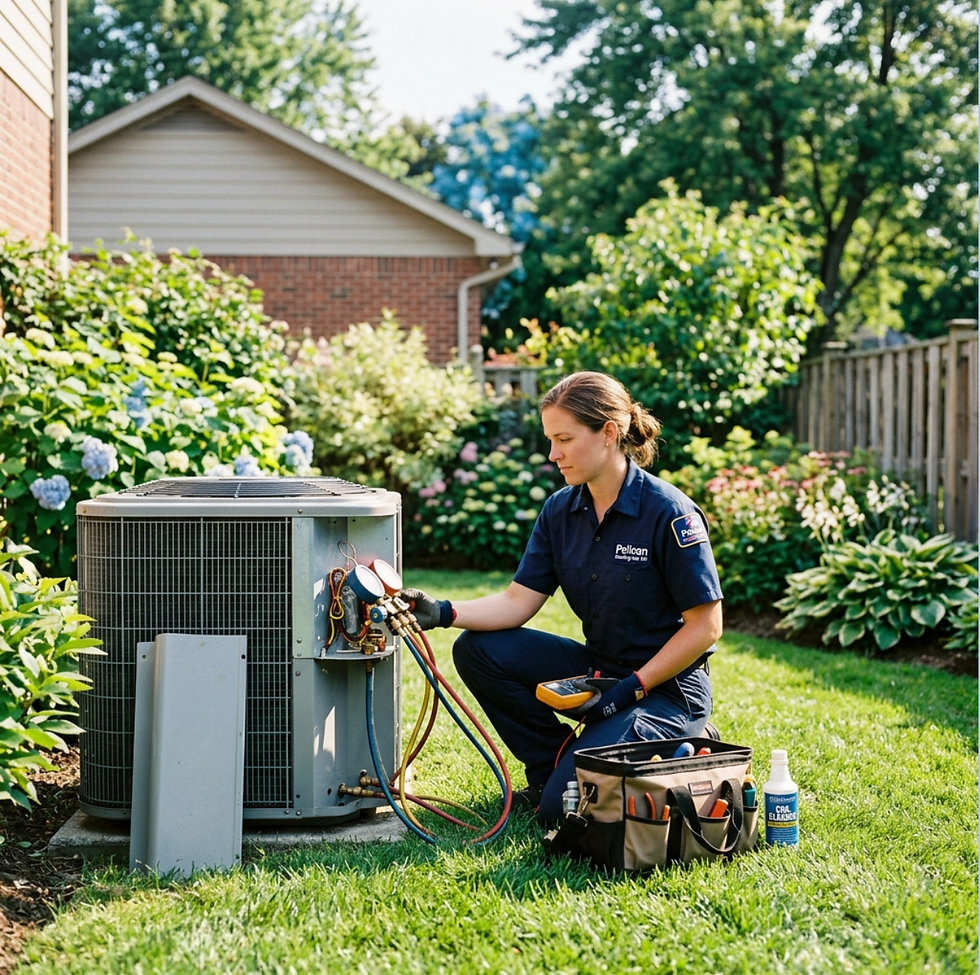
Nothing derails a cozy evening faster than a furnace that refuses to warm up, or a summer afternoon ruined by an air conditioner blowing lukewarm air. Most homeowners don't think about their heating and cooling system until it fails, but by then, you're often looking at an emergency repair bill or, worse, a full replacement on short notice.
The good news? Your HVAC system usually gives you warning signs long before it breaks down completely. Recognizing these signals early can save you money, prevent uncomfortable surprises, and even lower your monthly energy bills. This post walks through the most common indicators that your system needs attention, along with what you can do about it.
Your Energy Bills Keep Climbing Without an Obvious Reason
If your heating and cooling costs have crept up over the past year or two, and you haven't changed your habits, your system is likely working harder than it should. Aging equipment loses efficiency over time. Dirty filters, worn-out components, and outdated technology all force your unit to consume more energy to produce the same level of comfort.
A well-maintained, modern system should keep your bills relatively stable from season to season, accounting for normal weather fluctuations. Consistent spikes are usually a sign that something inside your unit isn't performing the way it used to.
Your Home Has Uneven Temperatures From Room to Room
Walking from a warm living room into a chilly bedroom is more than just an inconvenience. It usually points to airflow problems, ductwork issues, or a system that's struggling to distribute air evenly throughout your home. Older systems, in particular, tend to lose their ability to regulate temperature consistently as components wear down.
If you've started closing certain vents or relying on space heaters and fans to compensate, that's a strong signal your system needs a professional evaluation.
You're Calling for Repairs More Often Than You'd Like
Every system needs occasional maintenance, but frequent breakdowns are a red flag. If you've had a technician out more than once or twice in the last year for the same unit, the cost of ongoing repairs may soon exceed the cost of an upgrade. Many HVAC professionals use a simple rule of thumb: if a repair costs more than half the price of a new system, replacement is usually the smarter financial decision.
Repeated repairs also mean repeated disruptions to your comfort and your schedule, which adds up in ways that don't always show up on a bill.
Your System Is Nearing or Past Its Expected Lifespan
Most furnaces and air conditioners are built to last between 15 and 20 years with proper maintenance. If your system is approaching that range, it's worth having a professional assess its condition, even if it seems to be running fine. Equipment near the end of its life tends to fail at the worst possible times, like the coldest night of winter or the hottest week of summer.
Planning a replacement before a breakdown happens gives you time to research options, compare pricing, and choose a system that actually fits your home's needs, rather than making a rushed decision under pressure.
Your Home Feels Dusty, Stuffy, or Humid No Matter What You Do
Heating and cooling systems do more than control temperature. They also manage humidity and air circulation. If you've noticed more dust accumulating, persistent musty odors, or humidity levels that feel off regardless of the season, your system may not be filtering and circulating air the way it should.
This is especially important for households with allergies, asthma, or young children, where air quality directly affects day-to-day comfort and health.
What to Do If You Recognize These Signs
Spotting one or two of these issues doesn't automatically mean you need a brand-new system. Sometimes a thorough cleaning, a part replacement, or a duct inspection is all it takes to restore performance. The key is getting an honest, professional assessment rather than guessing or waiting until the problem worsens.
Pelican Heating and Air takes the guesswork out of maintaining year-round comfort, offering homeowners straightforward inspections, honest repair recommendations, and efficient system upgrades when the time is right. Rather than pushing unnecessary replacements, a good technician will walk you through your options and help you understand the true condition of your equipment, so you can make a decision that fits your home and your budget.
Regular maintenance visits, even when nothing seems wrong, are one of the easiest ways to extend the life of your system and catch small issues before they become expensive problems. Scheduling a seasonal check-up before the peak of summer or winter can make a noticeable difference in how your system performs when you need it most.
Comfort Shouldn't Be a Guessing Game
Your home's heating and cooling system works quietly in the background most of the year, until something goes wrong. Paying attention to the small signs, like rising bills, uneven temperatures, or frequent repairs, puts you in control instead of leaving you scrambling during an emergency.
If any of these signs sound familiar, now is a good time to schedule an inspection rather than waiting for a full breakdown. A little attention today can mean a more comfortable, energy-efficient home for years to come.
Frequently Asked Questions
How often should I have my HVAC system inspected?Most professionals recommend two inspections per year, one in spring before cooling season and one in fall before heating season, to catch issues before extreme temperatures arrive.
Is it cheaper to repair or replace an old HVAC system?It depends on the age of the unit and the cost of the repair. As a general guide, if a repair costs more than 50% of a new system's price, replacement is usually the better long-term investment.
Can a dirty air filter really affect my energy bills?Yes. A clogged filter forces your system to work harder to push air through, increasing energy use and wear on internal components. Replacing filters regularly is one of the simplest ways to maintain efficiency.
What's a normal lifespan for a furnace or air conditioner?With regular maintenance, most systems last between 15 and 20 years. Lack of maintenance can shorten that lifespan considerably.


