
7 Questions to Consider Before Choosing Plants From a Florist in Singapore for Your Home
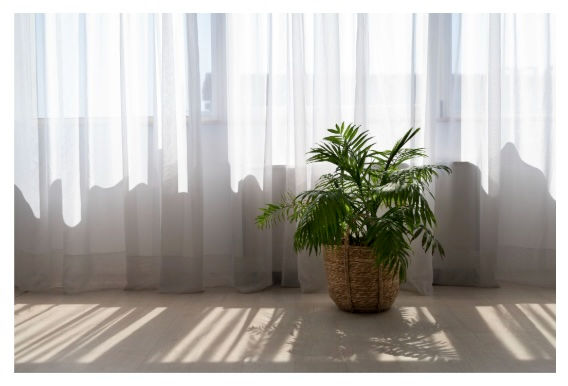
Adding potted greenery to a living room or balcony instantly refreshes an interior space. However, bringing home potted specimens without assessing your living environment often leads to drooping leaves, pest issues, or premature plant loss. Tropical indoor environments present specific environmental conditions, including constant air conditioning, high humidity, and varying natural light access.
Consulting a florist in Singapore allows you to tap into professional advice on species resilience and maintenance. To make an informed decision that suits your lifestyle, evaluate these key environmental and practical factors before selecting potted plants in Singapore for your home.
1. How Much Direct Sunlight Does Your Living Space Receive?
Natural light availability determines which plant species can thrive in your home. South-facing windows generally offer bright, indirect sun throughout the day, whereas inner hallways and windowless bathrooms receive minimal natural light. Succulents and flowering potted varieties require high light levels to sustain growth. Conversely, foliage like snake plants or ZZ plants tolerate dimmer corners. Accurately measuring light duration prevents purchasing sun-loving varieties that will deteriorate in dark rooms.
2. Will Air Conditioning Affect Your Chosen Plant Placement?
Frequent air conditioning lowers ambient room temperature and dries out air quickly. Tropical foliage adapted to natural humidity often struggles when placed directly in the path of cold air currents. Drafts cause leaf tips to brown, curl, or drop prematurely. If you run air conditioning daily, choose heartier varieties with thicker leaves or position your greenery away from direct vent airflow to maintain steady foliage health.
3. How Much Time Can You Commit to Regular Watering Routines?
Watering schedules vary drastically between plant types. Fiddle-leaf figs and moisture-loving ferns require consistent monitoring and damp soil, whereas drought-tolerant varieties thrive on minimal attention and need soil to dry out completely between waterings. Honest self-assessment regarding your daily routine and travel frequency prevents overwatering or underwatering errors.
Questions to Ask Your Florist Before Buying
To narrow down your choices during your consultation, bring these specific questions to your plant specialist:
Does this specific species require high humidity levels to keep its leaf margins green?
How fast does this potted variety grow, and when will it require repotting into a larger container?
Are the roots vulnerable to root rot if the soil retains excess water after heavy rain on a balcony?
What pest prevention routine do you recommend for indoor placement?
Is the soil mixture pre-blended with adequate drainage material like perlite or pumice?
4. Do You Have Pets or Small Children at Home?
Several popular indoor foliage species contain natural compounds toxic to domestic pets if ingested. Plants such as monstera, pothos, and peace lilies cause mouth irritation or stomach distress in cats and dogs. If you have curious pets or toddlers, select non-toxic alternatives like peperomia, Boston ferns, or spider plants. Alternatively, plan to display restricted varieties on high shelves or ceiling hangers out of reach.
5. What Size Will the Plant Reach at Full Maturity?
A compact desk plant may expand considerably over twelve to eighteen months. Fast-growing climbers and broad-leaf plants can easily overpower small apartments or block narrow walkways if left unpruned. Check the expected mature height and lateral spread before buying. Matching the ultimate scale of the foliage to your available floor space prevents awkward crowding later.
6. Does the Potting Medium Provide Adequate Drainage?
Proper soil aeration remains vital for indoor plant survival. Heavy, dense soils trap moisture around the root system, causing root rot in enclosed apartment settings. A quality florist in Singapore typically provides plants set in well-draining potting mixtures enriched with perlite, bark, or coarse sand. Ensure the decorative pot contains drainage holes or uses a double-potting setup to allow excess irrigation water to escape freely.
7. How Will You Handle Seasonal Maintenance and Fertilisation?
Potted indoor plants rely entirely on supplied nutrients once soil reserves deplete over time. Ask about the ongoing feeding schedule required to sustain healthy foliage. Slow-release fertiliser granules or gentle liquid feeds used during active growth periods keep foliage vibrant. Understanding these periodic tasks before buying ensures you maintain healthy growth without feeling overwhelmed by maintenance steps.
Matching Your Selection to Your Priorities
Selecting living greenery requires balancing aesthetic goals with practical care constraints. Taking time to measure window light, review air conditioning placement, and evaluate your personal schedule ensures your purchase yields long-term satisfaction rather than unexpected maintenance struggles.
Contact D'Spring to discuss available potted plant options and confirm which indoor varieties best suit your home environment.


