
A Beginner’s Guide to Finding the Right Baseball Bat
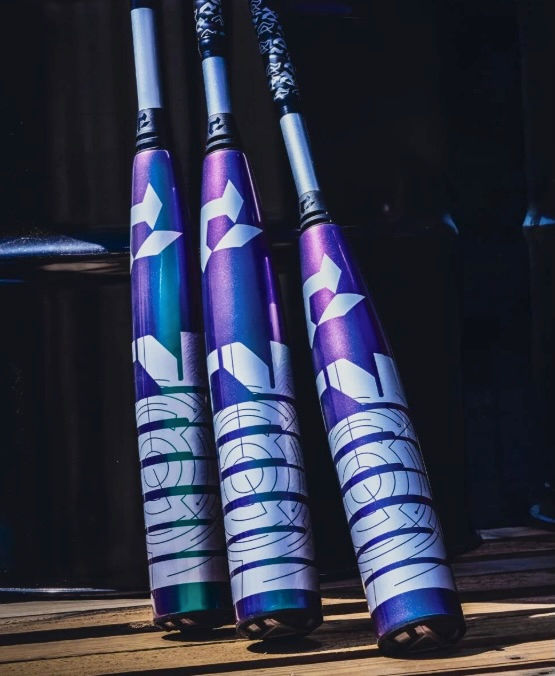
Choosing your first bat can feel confusing, especially when you see so many sizes, materials, weights, and designs available. For beginners, understanding the basic features of baseball bats can make the buying process much easier. The right bat should feel comfortable, match your physical abilities, meet your league's regulations, and support your natural swing. Instead of choosing a bat based only on appearance or price, beginners should consider several important factors before making a purchase.
Why Choosing the Right Bat Matters
A properly selected bat can help you develop better hitting habits and become more comfortable at the plate. When a bat is too heavy or too long, it can be difficult to control, potentially making it harder to develop a consistent swing.
On the other hand, a bat that is appropriately sized can help you maintain balance and generate useful bat speed. For beginners, comfort and control are often more important than simply selecting the most powerful-looking option.
The goal is to find equipment that allows you to practice good mechanics while building confidence.
Start With the Correct Bat Length
Bat length is one of the first specifications beginners should consider. Bats are available in different lengths, and the appropriate choice depends on factors such as your height, age, arm length, and playing level.
A bat that is too short may limit your reach across the plate, while a bat that is too long can be difficult to control. Many manufacturers provide sizing charts to help players select a suitable length when choosing baseball bats.
Although these charts are useful, they should not be the only factor in your decision. If possible, hold the bat and take several practice swings to determine whether it feels natural.
Understand Bat Weight
Weight is another major consideration. A heavier bat can provide additional mass behind the ball, but it also requires greater strength and control.
Beginners should generally focus on finding a bat that they can swing comfortably without losing balance or slowing down significantly. If you struggle to complete a controlled swing, the bat may be too heavy.
A lighter bat can make it easier to develop swing speed and control. As your strength and skills improve, you can explore different weights based on your playing style.
Learn What Drop Weight Means
Drop weight is an important term that beginners should understand. It is calculated by subtracting the bat's weight in ounces from its length in inches.
For example, a 30-inch bat weighing 20 ounces has a drop weight of -10.
The drop weight helps players compare bats with different lengths and weights. Generally, a more negative drop weight indicates a lighter bat.
However, the appropriate drop weight depends on your age group and league rules. Always check the regulations that apply to your competition before purchasing equipment.
Choose Between Aluminum and Composite
Bat material can affect the feel, performance, durability, and cost of your equipment.
Aluminum bats are popular because they are durable and provide a familiar feel for many players. They can also be a practical option for beginners who want straightforward equipment for practice and games.
Composite bats are made from layered materials and may provide a different feel and balance. Some players like their ability to reduce certain vibrations and provide a comfortable response on contact.
Neither material is universally best. Beginners should consider their budget, league requirements, and personal preferences when comparing materials.
One-Piece vs. Two-Piece Bats
Bat construction is another feature worth understanding. One-piece bats are built as a single unit and can provide a firm, direct feel when the ball makes contact with the barrel.
Two-piece bats consist of separate handle and barrel sections. This construction can provide a different level of flexibility and may help reduce some vibration from mishits.
For beginners, comfort should be the main consideration. If possible, try both designs and notice which one feels easier to control during practice swings.
Pay Attention to Barrel Size
The barrel is the wider section of the bat and provides the primary hitting surface. Barrel sizes can vary, and larger barrels may offer a broader area for making contact.
A larger barrel can be appealing to beginners because it may provide additional confidence when learning to make consistent contact. However, barrel size can also influence the overall weight and balance of the bat.
Do not choose a bat based on barrel size alone. Consider how the complete bat feels when you hold and swing it.
Check Your League Requirements
One of the most important steps before buying a bat is checking your league's rules. Different organizations can have specific requirements regarding bat length, barrel diameter, materials, certifications, and other specifications.
A bat that is suitable for one competition may not be approved for another.
Before spending money, find out which standards apply to your age group and league. Look for the required certification markings and verify that the bat meets current competition requirements.
This can save you from purchasing equipment that cannot be used during official games.
Test the Bat Before Buying
Testing a bat can help you determine whether it is comfortable and manageable. Hold the bat in your normal stance and take several controlled swings.
Pay attention to whether you can move the barrel quickly and maintain your balance. Notice whether the handle feels comfortable and whether the bat feels too heavy after repeated swings.
A beginner should be able to swing the bat without excessive effort. If your technique changes dramatically because the bat feels difficult to control, consider a different size or weight.
Consider Your Budget
Baseball equipment is available at a wide range of prices. Beginners do not necessarily need the most expensive bat to learn effectively.
Instead, focus on value and suitability. A reasonably priced bat that fits your size, follows league requirements, and feels comfortable can be a better choice than an expensive model that does not match your needs.
Set a budget before shopping and compare different options within that range.
Think About Your Future Development
Your first bat should support your current skill level while allowing you to develop proper fundamentals. Avoid choosing a bat simply because you want to imitate a professional player or experienced teammate.
As your strength, technique, and confidence improve, your preferences may change. You may eventually prefer a different weight, balance, material, or construction.
For beginners, learning proper mechanics should remain the priority. Equipment should make that process easier rather than forcing you to compensate for a poor fit.
Take Proper Care of Your Bat
Once you purchase a bat, proper care can help keep it in good condition. Store it in a suitable environment and avoid exposing it to extreme temperatures or unnecessary impacts.
Use the bat only for its intended purpose and follow the manufacturer's care instructions. Inspect it regularly for cracks, dents, or other damage.
Taking care of your equipment can help extend its useful life and ensure that it remains ready for practices and games.
Conclusion
Finding the right bat as a beginner does not have to be difficult. Start by considering the appropriate length and weight, then compare drop weight, material, construction, and barrel size. Always check your league's regulations before buying and test a bat whenever possible. Most importantly, choose equipment that feels comfortable and allows you to maintain a controlled, natural swing. With the right preparation and a bat that matches your needs, you can build confidence, improve your fundamentals, and enjoy your baseball experience even more.


