
A Complete Guide to Solar Energy and Modern Home Solar Systems
Updated: 6 days ago
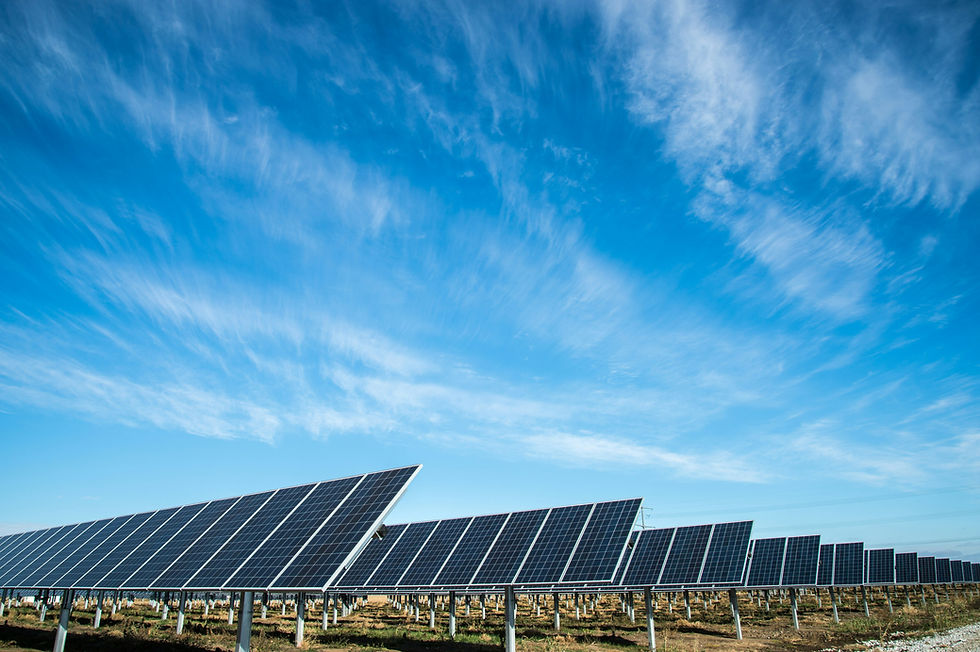
Solar energy has become an increasingly practical option for homeowners, businesses, and organizations looking for a cleaner and more predictable way to produce electricity. As electricity costs continue to influence household and business budgets, solar power provides an opportunity to generate electricity directly from sunlight while reducing dependence on conventional energy sources.
Modern solar systems are also more accessible than they were in the past. Improvements in photovoltaic technology, energy storage, monitoring equipment, and installation practices have made solar power suitable for a wide range of properties. Whether the goal is to reduce monthly electricity expenses, improve energy independence, or make better use of an available roof, understanding how solar systems work can help property owners make informed decisions.
Understanding How Solar Power Works
Solar photovoltaic systems convert sunlight into electricity. Solar panels contain photovoltaic cells that respond to sunlight and generate direct current electricity. Because most homes and businesses use alternating current, an inverter is used to convert the electricity into a usable form.
The electricity produced by a solar system can be used to power appliances, lighting, heating and cooling equipment, computers, pumps, and other electrical devices. Depending on the system design and local electricity regulations, excess electricity may be exported to the utility grid or stored in batteries for later use.
The amount of electricity a solar system produces depends on several factors. These include the size and efficiency of the panels, the amount of sunlight available, the orientation and angle of the roof, shading from nearby structures or trees, weather conditions, and the overall condition of the equipment.
Why More Property Owners Are Choosing Solar
One of the main reasons people consider solar energy is the potential to reduce electricity costs. Instead of purchasing all electricity from a utility provider, a property owner can generate a portion of their electricity on-site.
Solar can also provide greater visibility into long-term energy expenses. Traditional electricity prices may change because of fuel costs, infrastructure expenses, regulatory decisions, and other market factors. Generating electricity independently can reduce exposure to some of these changes.
Another advantage is the flexibility of modern solar systems. They can be installed on residential properties, commercial buildings, agricultural facilities, warehouses, schools, and other suitable structures. System size can be adjusted according to electricity consumption, available roof space, budget, and future energy requirements.
Planning a Solar System
Good planning is one of the most important parts of a successful solar project. Before equipment is selected, the property's energy requirements should be evaluated.
Electricity bills can provide useful information about historical consumption. Looking at usage over several months can reveal seasonal patterns and help determine an appropriate system size. A household that uses significant amounts of electricity for air conditioning, heating, water pumping, or electric vehicles may require a different system from a smaller property with moderate consumption.
Roof space should also be assessed. Panels need sufficient exposure to sunlight, and areas affected by significant shade may produce less electricity. The roof structure should be capable of supporting the equipment, while its age and condition should also be considered.
A professional assessment can identify potential obstacles before installation begins. This can include roof repairs, electrical upgrades, equipment placement, cable routing, and other site-specific requirements.
The Importance of Professional Solar Panel Installation
Proper installation has a major influence on the safety, reliability, and long-term performance of a solar energy system. Choosing experienced professionals for Pose de panneau solaire 83 helps ensure that the system is designed and installed according to applicable electrical and building requirements.
Installation involves more than simply placing panels on a roof. The panels need to be positioned correctly, securely mounted, electrically connected, and integrated with the inverter and other system components. Wiring must be appropriately sized and protected, while equipment needs to be installed in locations suitable for its operating conditions.
A professional installation process also considers roof penetrations, waterproofing, structural requirements, electrical protection, and system accessibility. These details can have an important impact on the performance and longevity of the finished system.
Choosing the Right Solar Panels
Solar panels are available in different technologies, sizes, efficiencies, and physical designs. The best choice depends on the characteristics of the property and the objectives of the solar project.
Panel efficiency is an important consideration when roof space is limited. Higher-efficiency panels can produce more electricity from a given area, although the purchase price may differ between products.
Temperature performance is another consideration. Solar panels operate in a variety of environmental conditions, and their output can change as temperatures rise or fall. Product warranties, degradation rates, manufacturer reputation, and expected service life should also be reviewed before making a purchase.
Rather than choosing equipment based solely on its advertised power rating, property owners should consider the complete system and how individual components will work together.
The Role of the Solar Inverter
The inverter is one of the most important components in a photovoltaic system. Solar panels generate direct current electricity, while most household and commercial equipment operates using alternating current. The inverter performs the conversion between these forms of electricity.
Different inverter configurations are available. Some systems use a central or string inverter, while others use microinverters installed alongside individual panels. Power optimizers can also be used in certain system designs.
The appropriate configuration depends on factors such as roof layout, shading, system size, panel arrangement, and project requirements. A properly selected inverter can help maintain efficient operation and provide useful system monitoring information.
Battery Storage and Energy Independence
Solar panels generate electricity when sunlight is available, but electricity demand does not always match solar production. Battery storage can help bridge this difference.
A battery can store some of the electricity produced during periods of strong solar generation. That stored energy can then be used later, such as during the evening or during periods when solar production is reduced. For more information on battery storage solutions, see SigenStor.
Battery storage may be particularly useful for properties that experience frequent power interruptions or have electricity consumption patterns that extend beyond daylight hours. However, batteries add cost and complexity, so their value should be evaluated according to the property's specific energy requirements.
Solar Energy and the Electrical Grid
Many solar systems remain connected to the electricity grid. Grid-connected systems can use solar electricity when it is available and draw electricity from the utility when solar production is insufficient.
In some locations, excess solar electricity may be exported to the grid under a local compensation program. The rules vary by region, utility provider, and regulatory framework. Property owners should understand the applicable requirements before selecting a system.
Grid-connected solar systems may also require specific safety equipment and approval processes. Professional installers can help identify the technical requirements that apply to a particular project.
Understanding Solar System Costs
The total cost of a solar project depends on numerous factors. These can include the number and type of panels, inverter technology, mounting equipment, electrical work, labor, monitoring systems, batteries, roof conditions, permits, and other project-specific requirements.
Comparing only the upfront price can make it difficult to understand the overall value of different proposals. A lower-priced system may use different equipment, provide fewer services, or have different warranty conditions.
Property owners should review the complete proposal carefully. Important details include system capacity, expected production, equipment specifications, warranties, installation scope, maintenance responsibilities, and any additional costs.
Solar Panel Maintenance
One of the advantages of photovoltaic systems is that they generally require relatively little routine maintenance. However, that does not mean they should be completely ignored after installation.
Dust, leaves, bird debris, and other materials can accumulate on panels and reduce the amount of sunlight reaching the photovoltaic cells. The effect varies depending on local weather, panel angle, environmental conditions, and the type of debris involved.
Visual inspections can help identify obvious problems such as damaged panels, loose components, cable issues, or unexpected obstructions. Monitoring software can also help identify unusual changes in electricity production.
Regular professional inspections may be appropriate for larger systems or properties where access to equipment is difficult.
Monitoring Solar Performance
Modern solar systems often include monitoring capabilities that allow property owners to track electricity production. Monitoring can provide information about daily, monthly, and annual energy generation.
Performance data can be useful for identifying changes that may require attention. For example, an unexpected decline in production could result from shading, equipment problems, soiling, wiring issues, or other factors.
Monitoring also helps property owners understand how much electricity their solar system is producing compared with their consumption. This information can support decisions about energy efficiency, battery storage, or future system expansion.
Improving Energy Efficiency Alongside Solar
Installing solar panels is only one part of improving a property's energy performance. Reducing unnecessary electricity consumption can make a solar investment even more effective.
Energy-efficient lighting, appliances, insulation, windows, heating and cooling equipment, and smart controls can reduce overall electricity demand. Simple behavioral changes can also help, such as operating high-energy appliances during periods of strong solar production when practical.
By combining energy efficiency with renewable generation, property owners can potentially reduce the amount of electricity they need to purchase from external sources.
Solar for Businesses
Commercial properties can have significant electricity requirements, making solar an attractive option for many businesses. Offices, retail buildings, warehouses, factories, agricultural facilities, and other commercial properties may have substantial roof areas suitable for photovoltaic systems.
Businesses can evaluate solar as part of a broader energy management strategy. Reducing electricity purchases may help control operating expenses, while on-site generation can contribute to corporate sustainability objectives.
Commercial systems may also involve more complex electrical requirements than residential installations. Larger systems require careful planning around load profiles, equipment placement, structural capacity, safety, and future expansion.
Solar for New Construction
Solar energy can also be considered during the design stage of a new building. Planning for solar before construction is complete can make it easier to determine roof orientation, equipment locations, electrical pathways, and structural requirements.
Integrating solar planning into the early stages of construction can reduce the need for later modifications. Builders, architects, electricians, and solar professionals can coordinate the system with the overall design of the property.
This approach can be especially useful for energy-efficient homes and commercial buildings where renewable energy is included as part of a larger sustainability strategy.
Common Mistakes to Avoid
One common mistake is choosing a solar system based entirely on price. While budget is important, equipment quality, installation standards, warranties, and expected performance also deserve attention.
Another mistake is failing to evaluate future electricity needs. A household may purchase an electric vehicle, add a home office, install additional cooling equipment, or expand a property later. Considering potential changes can help prevent an undersized system.
Ignoring roof condition is another issue. Installing a solar system on a roof that requires major repairs can create unnecessary complications. If the roof is nearing the end of its useful life, repairs or replacement may need to be considered before solar equipment is installed.
Property owners should also avoid assuming that every roof receives the same amount of sunlight. Shading and orientation can have a significant effect on electricity generation.
Questions to Ask a Solar Installer
Before signing an agreement, property owners should ask practical questions about the proposed system. These may include:
What is the recommended system capacity?
How much electricity is the system expected to generate?
Which panels and inverter will be used?
What warranties are included?
Who will perform the installation?
Is structural work required?
How will the system be monitored?
What maintenance is recommended?
What happens if a component fails?
Are permits or utility approvals required?
Can the system be expanded in the future?
What is included in the quoted price?
Clear answers can help property owners understand exactly what they are purchasing.
The Long-Term Value of Solar Energy
Solar energy is a long-term infrastructure investment rather than a short-term purchase. Panels and associated equipment are expected to operate for many years, making installation quality and equipment selection particularly important.
The financial outcome of a solar project depends on factors such as system cost, electricity consumption, energy prices, solar production, financing arrangements, maintenance expenses, and applicable electricity policies.
Because these factors differ from one property to another, there is no single system design that works for everyone. A customized assessment provides a more realistic understanding of expected production and costs.
The Future of Residential Solar
Solar technology continues to evolve. Improvements in panel efficiency, battery storage, inverters, monitoring systems, and energy management technology are creating more options for property owners.
Smart energy systems can coordinate solar production, batteries, appliances, and electric vehicles. These technologies can help households make better use of electricity generated on-site.
As renewable energy becomes more integrated with modern electrical systems, solar installations are increasingly being viewed as part of a broader home energy strategy rather than simply a collection of panels on a roof.
Final Thoughts
Solar energy offers property owners a way to generate electricity from a renewable resource while potentially reducing reliance on conventional electricity supplies. A successful project requires thoughtful planning, suitable equipment, careful system design, and professional installation.
From evaluating electricity consumption and roof conditions to selecting panels, inverters, and optional battery storage, every part of the process can influence the final result. Proper maintenance and performance monitoring can further support reliable operation over the system's useful life.
For anyone considering solar power, taking time to understand the property's energy requirements and comparing complete installation proposals can provide a strong foundation for making an informed investment. With appropriate planning and quality workmanship, a modern solar system can become a valuable part of a property's long-term energy strategy.


