
A Definitive Guide You Need to Pick the Perfect Perfume
Choosing the perfect perfume is about discovering a fragrance that reflects your personality, mood, and lifestyle. With countless options on the market, the process can feel overwhelming, but the right scent can leave a lasting impression and even boost your confidence. From understanding fragrance families to knowing how to test perfumes properly, this guide will walk you through everything you need to know. Whether you're a fragrance novice or an enthusiast, this definitive guide will help you find the perfect perfume that truly suits you.

Understand the Fragrance Families
Before you start sampling perfumes, it's important to understand the basic fragrance families, as this knowledge will help you narrow down your options. Perfumes are generally categorized into several scent families: floral, oriental, woody, fresh, and gourmand. Each family has subcategories. Recognizing which category appeals to you the most will make your perfume journey much easier, professionals from parfumerie.com.au explain. A person who prefers the crisp, clean feeling might lean toward fresh or citrus scents, while someone who enjoys warmth and sensuality might gravitate toward oriental or woody perfumes.
Learn the Language of Notes
Every perfume is composed of three types of notes: top, heart (or middle), and base. Understanding how these work together can help you predict how a fragrance will evolve. The top notes are the initial impression, as they are light, fleeting scents that evaporate quickly, such as citrus or herbs. The heart notes form the core of the fragrance and last longer; these often include florals, fruits, or spices. The base notes are the foundation, providing depth and longevity with rich, lasting scents like musk, amber, or sandalwood. When trying a perfume, don't make a decision based solely on the top notes. Wait at least 15-30 minutes to see how the fragrance settles on your skin and reveals the middle and base notes.
Test Before You Commit
Buying a perfume on a whim or based solely on someone else’s recommendation is a common mistake. Fragrances interact differently with each individual’s skin chemistry, which means a perfume that smells amazing on a friend might not work as well for you. Always test perfumes on your skin rather than just sniffing from the bottle or a paper strip. Apply a small amount on your wrist or inner elbow and let it develop throughout the day. Take note of how the scent changes and how long it lasts. Limit your testing to two or three fragrances at a time to avoid overwhelming your nose. Most fragrance counters also offer small samples. Don’t hesitate to take some home for a longer trial before making a final decision.
Consider the Occasion and Season
Your choice of perfume should also match the context in which you'll be wearing it. Some fragrances are perfect for everyday use, while others are best saved for special occasions or evening wear. Light, fresh scents are usually better suited for daytime or professional settings, whereas richer, more intense perfumes work well for evenings or formal events. Seasonality also plays a role; summer calls for airy, citrus-based, or aquatic fragrances that feel refreshing, while colder months pair beautifully with warm, spicy, or woody scents that evoke comfort and intimacy. Having a small collection of perfumes to rotate depending on the occasion and season can enhance your fragrance experience significantly.
Match Your Personality and Style
Perfume is a form of self-expression, and the scent you choose should align with your personality and fashion style. If you're bold and adventurous, you might be drawn to unique, daring fragrances with exotic or spicy notes. A romantic soul may prefer soft floral perfumes, while a minimalist might enjoy clean, subtle scents with simple compositions. For those drawn to the floral family, elegant jasmine fragrances are a refined starting point — jasmine is one of the most versatile and timeless floral notes, sitting beautifully at the heart of both feminine and unisex compositions.Don’t be afraid to break the rules or go beyond traditional gender lines—many unisex fragrances offer a balanced blend that appeals to a wide range of tastes. Ultimately, the right perfume should make you feel confident, comfortable, and more authentically yourself. Think of it as the invisible finishing touch to your overall look.
Don’t Ignore the Concentration and Longevity
Perfumes come in different concentrations, which affect both the strength and duration of the scent. From weakest to strongest, the common types are Eau de Cologne, Eau de Toilette, Eau de Parfum, and Parfum. Eau de Cologne has the lowest concentration of fragrance oils (around 2-5%) and lasts only a few hours. Eau de Toilette contains about 5-15% and is suitable for casual, daily wear. Eau de Parfum offers a stronger scent with 15-20% concentration and usually lasts most of the day. Parfum, or extrait de parfum, has the highest concentration (20-30%) and provides long-lasting, luxurious wear. Knowing this helps you choose the right type based on how long you need the fragrance to last and how strong you want it to be.
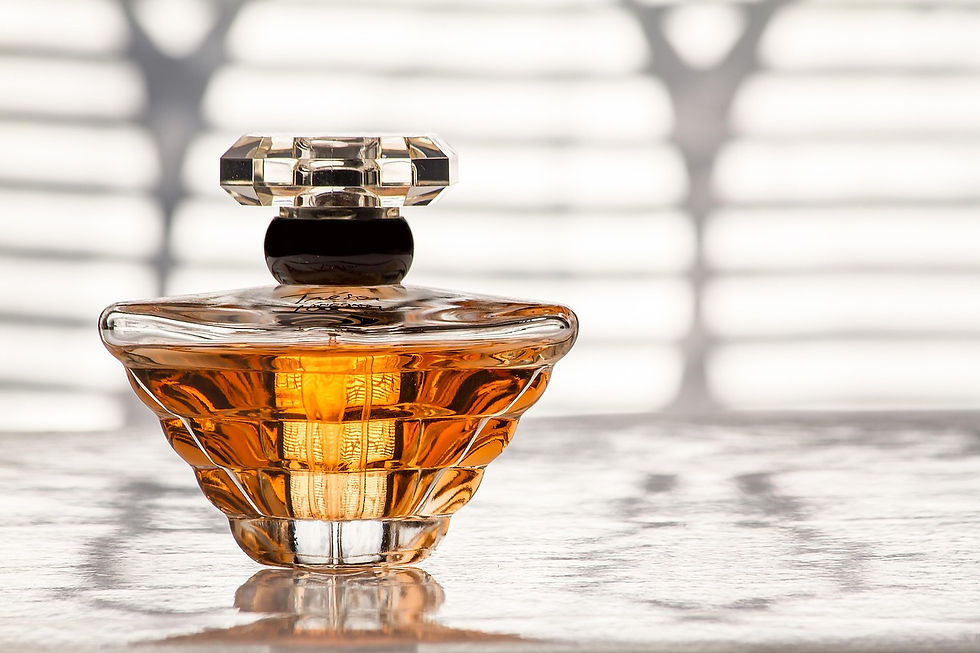
Picking the perfect perfume is a journey of discovery, one that combines personal taste, sensory experience, and even emotional resonance. By understanding fragrance families, learning how notes interact, testing properly, and considering your personality and lifestyle, you can confidently find a scent that truly represents you. Perfume is about feeling good in your skin. With this guide in hand, you’re well on your way to choosing a fragrance that will become a signature part of your identity.


