
A First Inventory for an Inherited Coin Collection
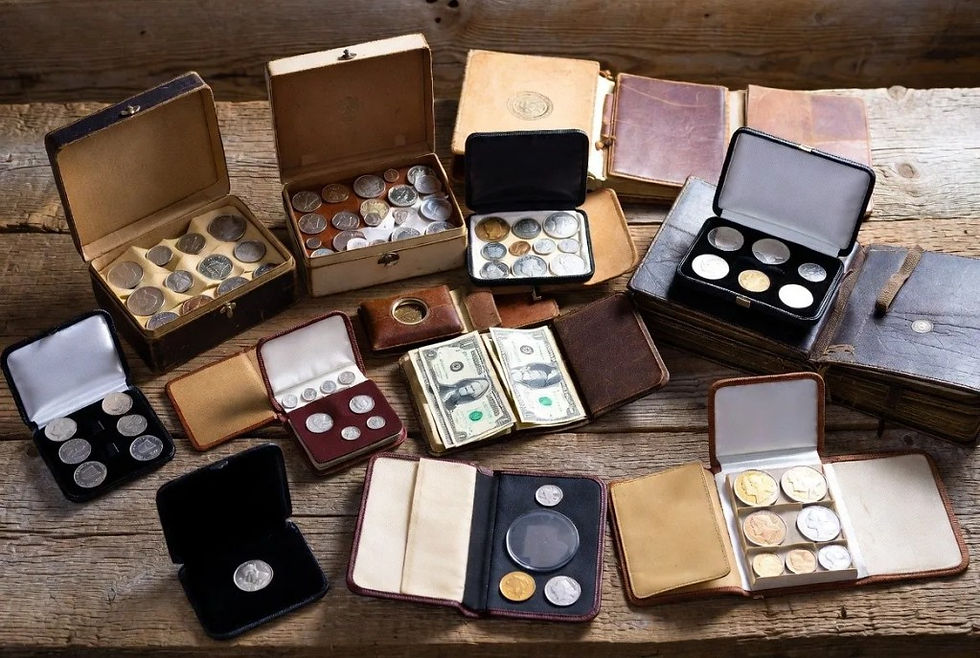
The first entry in a coin inventory does not have to identify a coin. It can say, “Blue album from the top shelf.” When you inherit a collection you know little about, a clear description of what is in front of you is a better start than a confident guess.
A useful inventory helps you find an item again, keep its paperwork nearby and explain what you have when you arrange an evaluation. It is a working list, not a price guide. You can build it a box at a time without taking the collection apart.
Begin with the Containers
Give each box, album or folder a short reference, such as Box A or Album B. Put that reference on your list and beside the container when you photograph it. Do not stick labels onto coins or cover the information on their holders.
Start with one line for each container. Record where it came from, what its outside label says and whether it has loose paperwork. If you have several similar albums, add a description that distinguishes them. A red cover with a torn corner is a useful detail when someone else needs to find it later.
Keep sets together. Opening every packet or removing coins from an album can erase the arrangement the collector intended. The inventory should describe that arrangement, not replace it with one that is easier to photograph.
Record What You Can Read
For a coin you can see clearly, note its country, denomination and date. Copy a mint letter if you can read it without removing the coin from its holder. If anything is uncertain, use a question mark or leave the space blank. There is no prize for filling every field.
For a sealed holder, copy the label and any reference number rather than opening it. For an album, describe the album and note which pages appear filled. Avoid treating a handwritten grade or price as a current valuation. It may be an old note, a purchase price or the collector's opinion.
A photograph can sit beside each entry in a digital folder. Name the image with the same reference you used on the list. That small habit saves you from trying to match a dozen similar pictures to a dozen similar descriptions later.
Make a Place for the Paper Trail
Receipts, letters and handwritten lists belong in the inventory too. Note which document came with which container. If a receipt appears to describe a particular coin, record the connection without assuming you have proved it.
Leave the original notes readable and keep them with the collection. A family member may be able to explain an abbreviation or recall when an album was bought. Put their explanation in a separate note so the original wording is still there.
You can also record family memories in a separate column. “Birthday gift” and “bought while traveling” may matter to the person deciding what to keep, even when they do not change a purchase offer.
Do Not Clean Anything for the Photographs
There is no need to polish a coin to make the inventory look tidy. Cleaning can damage its surface and reduce collector value. Leave coins in their holders, and photograph through the holder where possible. A picture that shows the label and the container is often enough for this first record.
Do not turn uncertainty into a sorting rule. An old date does not make every coin rare, and a dull surface does not mean a coin is worth only its metal. Leave questions about identity, condition and collector demand for someone who can examine the pieces.
Use the List to Arrange the Next Conversation
Once you have described the containers, you can explain the collection without guessing its value. Tell a prospective buyer whether it consists of albums, sealed sets, loose coins or bullion, and ask what they would like you to bring.
For readers around Rogers, Springdale or the surrounding area, Northwest Arkansas Coin Buyers describes appointments at its Lowell shop and evaluations of inherited collections. Its website also explains what a purchase evaluation covers. That distinction matters if you need a formal written appraisal for estate, insurance or tax purposes rather than an offer to buy.
Bring the inventory and related paperwork to the appointment. Afterward, add what you learned without deleting your earlier notes. If you keep part of the collection or sell some pieces, record which entries changed. The next person who opens the box should not have to start from nothing.


