
A Guide to Using Nasal Aspirators for Gentle Mucus Removal
Few things are more distressing for a new parent than watching their baby struggle to breathe through a stuffy nose. Nasal congestion in infants is incredibly common, yet its effects can ripple through every part of daily life — disrupting sleep, making feeding difficult, and leaving both baby and caregiver exhausted. Unlike older children and adults, babies cannot blow their own noses, which means mucus can quickly build up and become a serious source of discomfort.
This is where a nasal aspirator becomes an invaluable tool. Designed to gently clear mucus from tiny nasal passages, a nasal aspirator offers parents a safe and effective way to provide relief without causing harm. However, like any baby care tool, using it correctly matters enormously. Improper technique or overuse can irritate delicate nasal tissue, so understanding best practices — backed by pediatric guidance — is essential. This article walks you through everything you need to know, from choosing the right aspirator to mastering safe, gentle suction techniques that keep your baby comfortable and breathing easy.
Understanding Nasal Aspirators and Baby Nasal Care
A nasal aspirator is a small device designed to suction mucus from a baby's nasal passages, providing relief when congestion makes breathing uncomfortable. Because infants are obligate nose breathers — meaning they rely almost entirely on nasal airflow, especially during feeding — keeping those passages clear is a genuine health priority, not just a comfort measure.
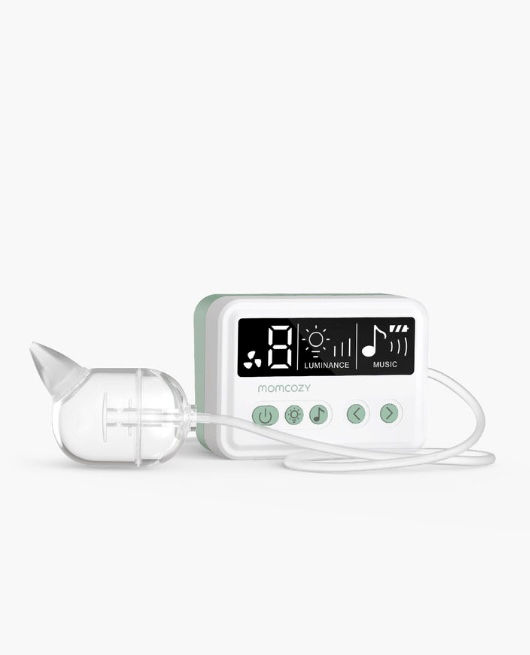
Mucus itself plays an important protective role in baby nasal care. It traps dust, allergens, and pathogens before they can reach the lungs. The problem arises when mucus accumulates faster than tiny nasal passages can drain naturally. Thick or excessive buildup can obstruct airflow, interfere with feeding, disrupt sleep, and in some cases contribute to ear or sinus infections if left unaddressed.
This is precisely why gentle suction through a nasal aspirator can be so beneficial. Rather than waiting for congestion to resolve on its own, parents can actively support mucus removal in a controlled and careful way. When used correctly, an aspirator clears blockages without damaging the sensitive nasal lining. The emphasis on "gentle" is not incidental — it reflects the core principle of safe baby nasal care: effective relief with minimal intervention and maximum comfort for your infant.
Types of Nasal Aspirators for Effective Mucus Removal
Choosing the right nasal aspirator comes down to understanding how each type works and what suits your baby's needs. The three main options — bulb syringes, manual suction devices, and electric aspirators — each offer a different approach to mucus removal, with distinct trade-offs in control, hygiene, and ease of use.
Bulb syringes are the most traditional option, typically provided at hospitals after birth. They're inexpensive and require no batteries, but their hollow interior is difficult to clean thoroughly, raising hygiene concerns with repeated use. They also offer limited suction control, which can make gentle, precise clearing more challenging for new parents.
Manual suction devices — where a caregiver uses their own breath to draw mucus through a tube and filter — give far greater suction control and are generally easier to clean. The design prevents any mucus from reaching the caregiver's mouth, and the adjustable suction makes them a popular pediatric recommendation for gentle, responsive use.
Electric nasal aspirators offer hands-free convenience with consistent, regulated suction. They're especially useful for thicker mucus or frequent use, though they tend to be louder, which may startle sensitive babies. When selecting any aspirator, prioritize models with soft, rounded tips, replaceable hygiene filters, and components that are fully dishwasher-safe or easy to sterilize — features commonly found in purpose-built infant care lines like Momcozy, which focuses on thoughtful designs for mothers and babies.
Step-by-Step Guide to Using a Nasal Aspirator Safely
Preparation and Hygiene Practices
Before using a nasal aspirator, wash your hands thoroughly with soap and warm water. Sterilize the aspirator by boiling it or running it through the dishwasher, depending on the manufacturer's instructions. Lay your baby on a flat, stable surface or cradle them in your arm at a slight recline — this positioning helps mucus loosen and drain more easily. To further soften thick mucus, apply one or two drops of saline solution into each nostril and wait about 30 seconds before suctioning. A calm, unhurried environment makes the process smoother for both of you, so minimize distractions and speak to your baby in a reassuring tone throughout.
Technique for Gentle Suction and Mucus Removal
Tilt your baby's head back slightly, then gently insert the aspirator tip just inside the nostril — never force it deeper than the tip naturally allows. For a bulb syringe, compress the bulb before insertion, then slowly release to create suction. For a manual device, apply steady, controlled breath pressure. Work one nostril at a time, clearing each fully before moving to the other. If mucus remains after the first pass, reapply saline and wait a moment before trying again. Limit each session to two or three gentle attempts per nostril to avoid irritating the nasal lining.
Post-Use Care and Monitoring
Immediately after use, disassemble the aspirator and rinse all components under warm running water. Follow with a full sterilization cycle before storing in a clean, dry area. Observe your baby over the next several minutes — mild fussiness is normal, but watch for persistent crying, nosebleeds, or signs of increased breathing difficulty. Redness or swelling around the nostrils may indicate irritation from overuse. If congestion persists beyond 10 to 14 days, worsens significantly, or is accompanied by fever, contact your pediatrician promptly rather than continuing to rely solely on at-home suction.
Pediatric Advice on Nasal Aspirator Use and Baby Health
When to Use and Avoid Nasal Aspirators
Pediatricians generally recommend using a nasal aspirator when congestion is visibly interfering with your baby's ability to feed or sleep — most commonly during colds, respiratory infections, or allergy flare-ups. The general guidance is to suction no more than three to four times per day, as exceeding this frequency can cause swelling of the nasal lining and worsen congestion rather than relieve it. Avoid using an aspirator if your baby has a nasal injury, recent nasal surgery, or active nosebleed. Parents should also hold off if the nostrils appear inflamed or raw from previous use. Premature infants and newborns under four weeks require extra caution — always consult your pediatrician before establishing any suctioning routine for very young babies, since their nasal passages are exceptionally delicate and more vulnerable to irritation from even gentle suction.
Integrating Aspirators with Other Baby Nasal Care Methods
Nasal aspirators work best as part of a broader approach to baby nasal care rather than a standalone solution. Saline nasal drops are a natural starting point — applying them two to three minutes before suctioning loosens thick mucus and makes removal significantly easier and less traumatic for the nasal lining. Running a cool-mist humidifier in your baby's room adds moisture to the air, helping prevent mucus from drying and crusting inside the nasal passages. Elevating the head of the crib mattress slightly during sleep can also support natural drainage overnight, reducing the need for frequent daytime suctioning. For persistent congestion linked to environmental triggers, pediatricians may recommend identifying and removing allergens from the baby's environment. Combining these strategies creates a comprehensive, gentle routine that addresses congestion at its source while minimizing reliance on suction alone.
Best Practices for Long-Term Baby Nasal Care
Sustaining your baby's nasal health over time requires consistent habits rather than reactive intervention. Clean and sterilize the aspirator after every use to prevent bacterial buildup, and replace components like filters and tips on a regular schedule. Monitor your baby for recurring congestion patterns — frequent blockages may point to environmental allergens, dry air, or an underlying condition worth discussing with your pediatrician. Gentle suction should always be a last resort after saline drops and humidification have been tried first. Above all, follow pediatric advice closely: routine check-ins with your child's doctor ensure that your nasal care approach remains appropriate as your baby grows and their needs evolve.
Safe Nasal Care for a Happier, Healthier Baby
Managing nasal congestion in infants doesn't have to feel overwhelming. With the right nasal aspirator and a clear understanding of how to use it safely, parents can provide meaningful relief during some of their baby's most uncomfortable moments. As this guide has outlined, effective mucus removal comes down to choosing an appropriate device, following hygienic preparation steps, applying gentle suction technique, and knowing when to step back and consult a professional.
Pediatric advice consistently points to the same core principle: less is more. Using an aspirator only when congestion genuinely interferes with feeding or sleep, pairing it with saline drops and a humidifier, and staying within the recommended frequency all help protect those delicate nasal passages while still delivering real comfort. Long-term nasal health depends on building these consistent, thoughtful habits rather than reaching for the aspirator at the first sign of a sniffle.
Most importantly, never hesitate to loop in your pediatrician when something doesn't seem right. Persistent congestion, fever, or signs of distress deserve professional evaluation. Used responsibly and with proper guidance, a nasal aspirator is a genuinely valuable part of your baby care toolkit — one that supports healthier breathing, better sleep, and a more comfortable, thriving infant.


