
A Room-by-Room Roach Prevention Plan for Busy Homes
Key Takeaways
Prevention begins by limiting food, water, shelter, and easy access.
Kitchens, bathrooms, laundry rooms, garages, and entry points deserve regular attention.
Small signs, including droppings, shed skins, egg cases, and repeated sightings, are reasons to inspect more closely.
Monitoring traps and treatments work best when paired with cleaning and repair work.
Product labels matter. Use pesticides only as directed and keep them away from children, pets, food, and dishes.
Cockroach prevention does not have to mean spending an entire weekend scrubbing every corner of the house. A short, consistent routine focused on food, moisture, shelter, and entry points can make a meaningful difference. Understanding where cockroaches come from indoors also helps homeowners look beyond visible mess and check packages, plumbing gaps, shared walls, and stored items.
Even a home that appears clean can offer a cockroach what it needs: a small water leak, crumbs beneath an appliance, cardboard storage, or a narrow crack near a pipe. The goal is not perfection. It is making each room less useful as a place to feed, hide, or travel.
Why a Room-by-Room Plan Works
Cockroaches commonly seek food, water, and shelter. A room-by-room approach makes it easier to spot which of those needs each area provides. The kitchen may offer food residue and warmth, while a bathroom may offer moisture and plumbing openings.
This approach follows the basic idea behind integrated pest management: prevent access, remove conditions that support pests, monitor activity, and use treatment carefully when needed. The preventive measures recommended for smart pest control include sealing food, fixing leaks, and closing off cracks and crevices.
When activity continues despite routine cleaning and repairs, homeowners may need more targeted support. Professional roach control services in North Carolina can be especially useful when the source is hidden in wall voids, shared building areas, crawl spaces, or other hard-to-reach locations.
Start With a 15-Minute Home Check
Choose one day each week for a quick inspection. Bring a flashlight and make a simple note on your phone of where you see signs or conditions that need attention.
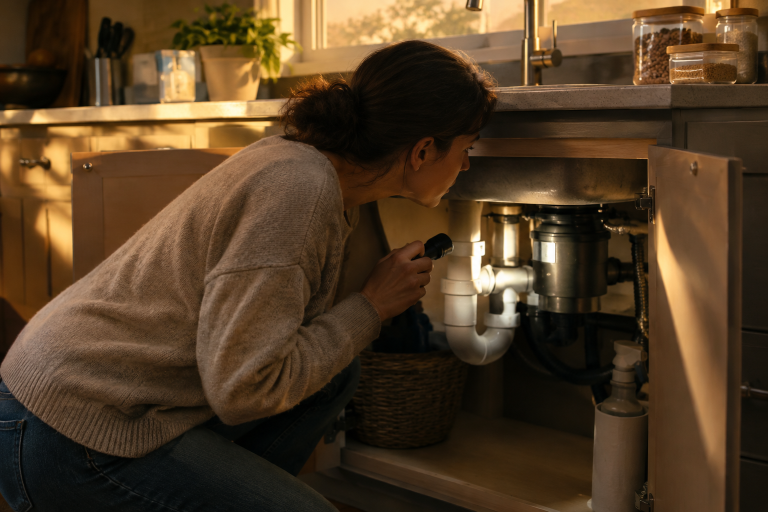
Look for crumbs, grease, open food, leaks, and damp cabinet floors.
Check around pipes, cabinets, doors, windows, and utility openings for gaps.
Inspect behind or beneath small appliances when practical.
Watch for droppings, shed skins, egg cases, or an unusual stale odor.
Record the room, date, and time of any sighting so patterns are easier to notice.
Kitchen: Remove Food and Hiding Spots
The kitchen is often the first priority because it combines food, water, warmth, and numerous tight hiding spaces. Store dry goods in sealed containers, wipe counters after meals, and clean crumbs from cabinet corners and beneath appliances. Wipe grease near the stove, backsplash, range hood, and toaster area. Empty trash and recycling regularly, rinse containers before placing them in recycling, and avoid leaving pet food out overnight. Check around the refrigerator, dishwasher, microwave, and other warm appliances where activity can stay hidden.
Bathroom: Control Moisture and Gaps
Bathrooms can attract cockroaches through steady moisture rather than food. Check under sinks for slow leaks, repair dripping faucets, and look for loose drain connections. Run ventilation during and after showers when available, and do not leave wet towels, bath mats, or clutter damp for long periods. Seal visible openings around plumbing pipes and inspect floor drains or rarely used drains as part of regular maintenance.
Laundry and Utility Areas: Watch Warm, Quiet Spaces
Washing machines, water heaters, utility sinks, and floor drains create quiet areas that are easy to overlook. Check for condensation around pipes and appliances, remove lint and paper clutter, and reduce cardboard storage. Keep stored belongings on shelves when possible and leave enough room around large equipment to inspect behind it.
Entryways, Garages, and Storage Areas: Block Access
Outdoor access points matter just as much as indoor cleaning. Inspect door sweeps, thresholds, window screens, foundation cracks, and gaps where wires or pipes enter the building. Keep leaf piles, damp materials, and firewood away from exterior walls. Recycle delivery boxes promptly, keep garage doors closed when practical, and inspect grocery bags, packages, used furniture, and secondhand appliances before bringing them inside.
Bedrooms and Living Areas: Do Not Ignore Dry Rooms
A cockroach seen in a bedroom or living room may be traveling from a nearby kitchen, bathroom, or shared wall. Keep snacks, drinks, and pet food from accumulating in these spaces. Vacuum along baseboards and beneath furniture, and reduce piles of clothing, papers, bags, and unused boxes. In apartments and townhomes, note activity near shared walls, plumbing routes, and utility openings.
How to Tell if Activity Is Growing
One sighting does not always confirm an infestation, but repeated evidence deserves prompt attention. Look for these warning signs:
Repeated sightings over several days.
Small young cockroaches near kitchens, bathrooms, or appliances.
Dark specks in drawers, cabinets, wall edges, or hidden corners.
Egg cases or shed skins near plumbing and appliances.
A stronger stale or oily odor in a confined area.
Daytime sightings, which can indicate that activity is not limited to nighttime hiding places.
A Simple Weekly Prevention Routine
Wipe food-preparation surfaces and sweep beneath appliances when accessible.
Empty food waste and clean recycling containers.
Check under sinks and around appliances for moisture.
Inspect cabinet corners, drains, and exterior thresholds.
Check monitoring traps and replace them when needed.
Move one stored item or appliance at a time to inspect a previously hidden area.
What to Know Before Using Store-Bought Treatments
Sticky traps are useful for monitoring where activity occurs. Bait stations and gels are designed to attract cockroaches to a treated food source, while dusts and sprays have different application requirements and risks. Avoid combining products or applying more than the label permits. The EPA advises residents to read the label first and follow all directions when choosing to use pesticides. Keep products away from children, pets, food, dishes, and food-preparation surfaces.
When to Ask for Help
Seek additional help when sightings continue after moisture and food issues are corrected, young cockroaches appear, activity spreads into several rooms, or the suspected source involves a shared wall, neighboring unit, drain, crawl space, or inaccessible void. Early action is often simpler than waiting for signs to become more widespread.
Conclusion
A room-by-room plan turns cockroach prevention into manageable household maintenance. Focus on the places where food, moisture, warmth, shelter, and access overlap. By pairing small repairs with steady cleaning, careful monitoring, and responsible treatment choices, busy households can reduce the chance that an occasional visitor becomes a continuing problem.


