
A Slow Travel Guide to Kyoto: Temples, Streets, Food and Local Experiences
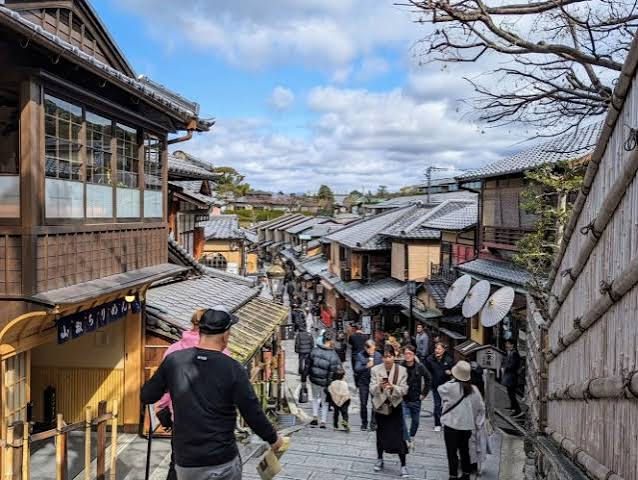
Kyoto offers a different kind of travel experience from Japan’s fast-moving modern cities. Known for its traditional neighborhoods, historic temples, quiet gardens, wooden houses, and seasonal scenery, the city provides countless opportunities to slow down and explore at your own pace. While popular attractions can become busy, there are still many ways to experience Kyoto through its streets, markets, cultural districts, and lesser-known corners.
A trip to Kyoto does not have to be about checking as many attractions as possible from a list. Walking through an old neighborhood, stopping at a small café, visiting a peaceful temple in the morning, or watching daily life unfold around a traditional street can be just as memorable as visiting the city's famous landmarks. Having reliable mobile connectivity can also make exploring unfamiliar neighborhoods easier, and travelers researching the best travel eSIM may find services such as Holafly useful when planning how to stay connected during their visit.
Start Your Morning in Gion
Gion is one of Kyoto’s most recognizable areas and a natural starting point for travelers interested in the city's traditional atmosphere. Narrow streets, wooden machiya houses, small restaurants, tea houses, and historic architecture give the district a distinctive character.
Early morning can be an especially enjoyable time to explore. The streets are generally calmer than later in the day, allowing visitors to appreciate the architecture without the same level of crowds.
Travelers should remember that Gion is also a residential area where people live and work. Exploring respectfully, avoiding restricted areas, and keeping noise down helps preserve the atmosphere that attracts visitors in the first place.
Walk Through Higashiyama
The Higashiyama district is ideal for travelers who enjoy exploring on foot. Its sloping streets connect several historic attractions while offering plenty of opportunities to stop along the way.
Traditional shops sell Japanese sweets, tea, souvenirs, ceramics, and other local products. Rather than rushing from one attraction to another, visitors can take time to explore the small stores and side streets.
The area is particularly attractive during spring and autumn, when seasonal changes add another dimension to Kyoto's traditional scenery.
Experience Kyoto's Food Culture
Food is an important part of understanding Kyoto. The city has a long culinary tradition, and visitors can find everything from refined Japanese cuisine to inexpensive street snacks and casual neighborhood restaurants.
Nishiki Market is one place where travelers can discover a wide range of local flavors. Small vendors offer different foods, ingredients, sweets, pickles, seafood, and traditional products.
Trying unfamiliar dishes can become one of the highlights of a Kyoto trip. Instead of choosing only restaurants that are familiar to international visitors, travelers can look for smaller local establishments and ask about seasonal specialties.
Visit a Temple Before the Crowds Arrive
Kyoto is famous for its temples and shrines, but the experience can vary dramatically depending on the time of day. Arriving early can make it easier to appreciate the surroundings and architecture in a quieter setting.
Kiyomizu-dera is among the city's best-known attractions, with its elevated wooden structure and views across Kyoto. However, travelers who prefer peaceful experiences can also explore smaller temples away from the busiest tourist routes.
The appeal of Kyoto's religious sites is not limited to photography. Gardens, wooden architecture, stone pathways, gates, and carefully maintained landscapes all contribute to the atmosphere.
Take a Break in a Traditional Garden
Kyoto's gardens provide an opportunity to slow down during a busy sightseeing day. Carefully arranged rocks, water, trees, moss, and open spaces create environments designed for observation rather than constant movement.
Spending even 20 or 30 minutes sitting quietly in a garden can feel completely different from moving through crowded tourist attractions.
Travelers interested in photography should also consider visiting at different times of the day. Morning light, changing weather, and seasonal colors can create very different views of the same location.
Explore Arashiyama Beyond the Bamboo Grove
Arashiyama is widely associated with its famous bamboo grove, but there is considerably more to the district. Visitors who only visit the bamboo path may miss riverside scenery, temples, gardens, traditional streets, and quieter walking routes.
The area around the Katsura River offers scenic views and opportunities for a slower afternoon. Travelers can combine a visit to the bamboo grove with nearby attractions rather than treating it as a quick photo stop.
Because Arashiyama can become crowded, planning the timing of a visit is worthwhile. Exploring earlier in the day can provide a more relaxed experience.
Getting Around Kyoto
Kyoto's public transportation system makes it possible to reach many parts of the city without relying entirely on taxis. Buses, trains, and walking can be combined depending on the route.
Transportation planning becomes much easier when travelers can quickly check maps, station information, opening hours, and routes while moving around the city. Visitors who plan to explore extensively should consider how they will access mobile data throughout the day.
Spend an Evening Around Pontocho
Pontocho is another atmospheric area worth visiting after sunset. The narrow alley runs alongside the Kamo River and is lined with restaurants and traditional establishments.
The atmosphere changes considerably in the evening as restaurants begin welcoming guests. Travelers should keep in mind that some establishments may have specific rules or reservation requirements, particularly those offering more formal dining experiences.
Walking around the area is enjoyable even without making elaborate plans. Nearby streets and riverside paths provide additional places to explore after dinner.
Take a Day Away From the Main Tourist Routes
One advantage of spending several days in Kyoto is the opportunity to move beyond the most famous attractions. A longer stay allows travelers to explore neighborhoods that do not necessarily appear on every first-time itinerary.
This could mean spending an afternoon browsing local stores, visiting a smaller museum, walking along the river, or simply choosing a neighborhood and exploring it without a strict schedule.
These unplanned moments often provide a more personal impression of a destination because they allow travelers to experience the city at a slower pace.
A City That Rewards Patience
Kyoto is a destination where rushing can easily take away from the experience. Its traditional architecture, gardens, food culture, and historic neighborhoods are best appreciated when travelers give themselves enough time to look around.
Digital tools can make the journey easier, but they do not need to dominate the trip. Use maps when necessary, check transportation information when plans change, and then put the phone away when there is something interesting happening in front of you.
For travelers who enjoy following entertainment news during their journeys, having reliable connectivity also makes it easy to check celebrity stories or search topics such as the networth of star while taking a break between sightseeing stops.
Ultimately, Kyoto is a destination that rewards curiosity and patience. Instead of trying to see everything in one visit, travelers can focus on a handful of experiences and leave room for unexpected discoveries. Whether the trip involves historic temples, quiet gardens, traditional food, evening walks, or simply wandering through old streets, Kyoto offers plenty of ways to create memories beyond the standard tourist itinerary.


