
Adult Teeth Straightening: What Australians Should Know
A straighter smile is often seen as a cosmetic goal, but orthodontic treatment can also relate to bite function, oral hygiene and long-term dental comfort. Many adults begin looking into Teeth straightening after years of crowding, spacing or teeth shifting after earlier treatment. Unlike teenage orthodontics, adult treatment often needs to account for existing dental work, gum health and lifestyle routines. This makes planning just as important as the appliance itself. Understanding the main options can help people have more informed conversations with their dental professional.
Why adults consider orthodontic treatment
Adults may explore orthodontic treatment for several reasons. Some are concerned about overlapping teeth that make brushing and flossing more difficult. Others notice changes in their bite, uneven wear, spacing or teeth that have moved after not wearing a retainer.
Appearance can still be a valid reason, but it is rarely the only factor worth considering. Teeth that sit in a better position may be easier to clean and may place pressure more evenly when biting. A dental assessment can help separate cosmetic concerns from functional issues that may need closer attention.
Braces and clear aligners work differently
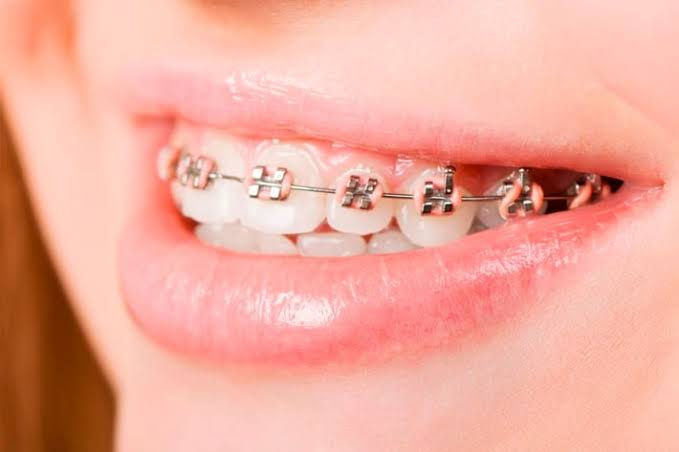
Traditional braces use brackets and wires to guide teeth into new positions over time. They are fixed in place, which means they continue working throughout the day and night. This can suit people who prefer not to manage removable appliances or who have more complex tooth movement needs.
Clear aligners use a series of removable trays that are changed as treatment progresses. They are often chosen by adults who want a less noticeable option. Since aligners can be removed for eating and cleaning, they can be convenient, but they also rely heavily on consistent wear.
Neither option is automatically better for every person. The right approach depends on the position of the teeth, bite concerns, oral health and how well the patient can follow the treatment plan.
The first assessment matters
A proper orthodontic assessment is more than a quick look at whether teeth are crooked. Dentists and orthodontists usually need to examine the gums, jaw relationship, bite, tooth wear and any previous dental work. X-rays, scans or photographs may also be used to plan treatment.
This step is especially important for adults because gum health and bone support can affect how teeth respond to movement. Cavities, gum disease or unstable dental restorations may need to be managed before treatment begins. Starting with a clear diagnosis helps reduce avoidable risks and sets more realistic expectations.
Everyday routines can affect results
Orthodontic treatment requires small daily adjustments. People with braces may need to avoid very hard or sticky foods that can damage brackets. Cleaning around wires and brackets also takes extra care, often with interdental brushes or other tools.
Aligner treatment has its own responsibilities. Aligners usually need to be worn for the recommended daily hours and removed before eating or drinking anything other than water. They also need to be cleaned properly to prevent odour and staining.
In both cases, regular dental check-ups and good home care remain important. Treatment progress can slow down if appointments are missed or oral hygiene becomes inconsistent.
Costs and timelines vary
The cost and length of treatment can vary widely. Simple spacing or mild crowding may take less time than complex bite correction. Clear aligners and braces may also have different fee structures depending on the provider, treatment length and whether refinements are needed.
Adults should be cautious about comparing prices without understanding what is included. Some plans may include records, reviews and retainers, while others may charge separately for certain stages. The cheapest option is not always the most suitable if it does not include careful monitoring.
Retainers are part of the treatment
Teeth can shift after active orthodontic treatment. Retainers help maintain the final position once braces are removed or aligner treatment is completed. They may be removable, fixed behind the teeth, or a combination of both.
Wearing retainers as instructed is one of the most important parts of protecting the result. Many adults who seek treatment have already experienced relapse after earlier orthodontics. Long-term retention should therefore be discussed before treatment starts, not after it ends.
Making a considered choice
Adult orthodontic treatment is not just about choosing between braces and aligners. It involves diagnosis, oral health, daily habits, cost, time and long-term maintenance. A well-planned approach gives adults a clearer understanding of what treatment can and cannot achieve. With the right assessment and realistic expectations, teeth straightening can be approached as a structured dental decision rather than a quick cosmetic fix.


