
Are Electric Dirt Bikes Safe for Teenagers
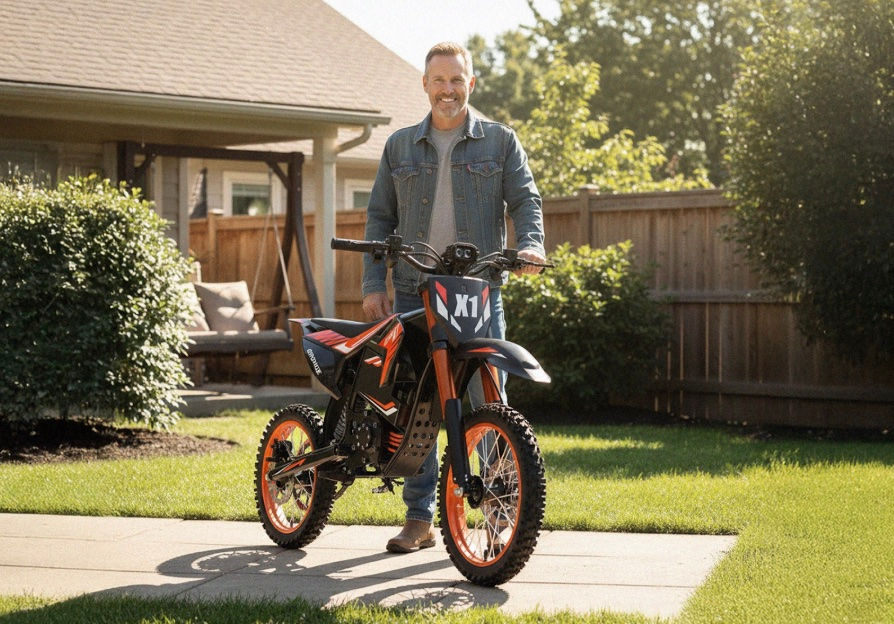
Teenagers are often drawn to activities that combine independence, speed, and outdoor exploration. Electric dirt bikes naturally attract this interest. For many families, however, the first question is not about performance but about safety. Parents want to understand whether these bikes are appropriate for a kid or teen rider and what conditions make riding safer.
The answer depends less on the bike itself and more on how it is used. Electric dirt bikes are designed for off-road environments and controlled riding conditions. When a kid or teen rides in appropriate areas, uses proper equipment, and chooses a bike suited to their skill level, the activity can feel manageable and enjoyable.
Understanding Safety in Teen Off-Road Riding
Safety in off-road riding is closely tied to experience, awareness, and environment. Teen riders usually have stronger coordination and physical control than younger kid riders, which can make it easier for them to manage balance and throttle response on uneven terrain.
At the same time, off-road riding requires attention to surroundings. Dirt trails, open riding areas, and natural terrain can introduce bumps, loose surfaces, and changes in elevation. Riders learn to adjust their body position and speed as these conditions change.
For many teen riders, developing this awareness becomes part of the learning process. Early rides often focus on understanding how the bike reacts to terrain rather than riding fast. As practice continues, riders gradually feel more comfortable navigating trails and maintaining control.
Because of this progression, many families see off-road riding as a skill-building activity rather than simply a form of entertainment.
What Makes Electric Dirt Bikes Manageable for Teen Riders
Electric dirt bikes differ from traditional gas-powered dirt bikes in ways that influence how riders experience control. One of the most noticeable differences is the simplicity of the controls.
Instead of coordinating clutch and gear shifting, electric bikes usually rely on a throttle for acceleration and hand brakes for slowing down. This simpler control layout allows riders to focus on steering, balance, and terrain awareness.
Electric motors also deliver power in a smooth and consistent way. Speed increases gradually as the throttle turns, making it easier for riders to understand how their input affects the bike. For many teen riders, this predictable response makes the bike easier to manage.
Because of these characteristics, some families introduce off-road riding through a kids e-dirt bike, allowing a kid rider to develop balance and basic control before moving on to larger bikes suited for older teen riders.
Factors That Influence Riding Safety
Several factors influence how safe electric dirt bike riding can be for a kid or teen rider. One of the most important is experience level. Riders who spend time learning basic control and balance usually develop stronger riding awareness.
The riding environment also plays a major role. Electric dirt bikes are designed for dirt trails, open riding areas, or terrain where riders have enough space to maneuver. Riding in environments suited for off-road vehicles allows teen riders to practice skills while avoiding many of the obstacles found on paved roads.
Another factor is the bike itself. Electric dirt bikes vary in motor output, wheel size, and overall weight. A bike that matches the rider’s size and ability level usually feels easier to control.
Many electric dirt bikes also include adjustable speed settings or riding modes. These features allow riders to begin with moderate performance and gradually explore more power as their skills improve.
Together, these factors shape how comfortable and controlled the riding experience feels for a kid or teen rider.
The Importance of Protective Gear and Riding Environment
Protective equipment plays an important role in off-road riding safety. Helmets, gloves, and protective clothing help reduce the risk of injury during falls or unexpected terrain changes.
Most experienced riders consider helmets essential whenever riding off road. Additional gear such as gloves, knee protection, and sturdy riding boots can improve comfort and protection during longer rides.
Choosing an appropriate riding environment is equally important. Dirt trails, open terrain, and designated riding areas usually provide more space and fewer obstacles than crowded locations.
These environments allow riders to concentrate on developing their riding skills instead of navigating traffic or tight spaces. For a kid or teen rider who is still learning, this type of environment supports safer skill development.
Choosing the Right Electric Dirt Bike for Teen Riders
Selecting a bike that fits the rider’s size and experience is another important step in safe riding. Bikes that are too large or too powerful can feel difficult to control, especially during early rides.
When families compare different models, they often look at wheel size, battery capacity, and overall bike weight. These elements influence how stable the bike feels and how easily riders handle uneven terrain.
Many manufacturers design electric dirt bikes with a balance between performance and controllability. Brands such as Qronge focus on building bikes that allow riders to explore off-road terrain while maintaining predictable handling.
Choosing a bike suited to the rider’s ability level helps a kid or teen rider gain confidence and improve riding skills gradually.
Final Thoughts
Electric dirt bikes can be a suitable off-road activity for a kid or teen rider when riding conditions and preparation are carefully considered. Smooth power delivery and simpler controls often make electric models easier to manage compared with many traditional bikes.
Like many outdoor activities, safety depends on responsible riding habits, protective equipment, and appropriate riding locations. With the right preparation and a bike suited to the rider’s skill level, a kid or teen rider can enjoy off-road riding while continuing to develop confidence and control on natural terrain.


