
Beyond the Front Door: Designing an Entrance That Sets the Tone for the Entire Home
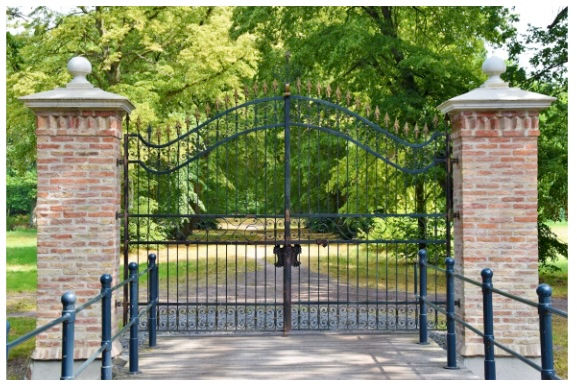
First impressions in residential design begin long before someone reaches the front door.
The driveway, gate, landscaping, lighting, pathways, and architecture surrounding an entrance all contribute to how a property is experienced. For thoughtfully designed homes, these elements are not simply practical necessities. Together, they create the transition between the outside world and the private space within.
As homeowners invest more attention in outdoor living and exterior architecture, the entrance to the property is increasingly becoming part of the overall design conversation. A beautiful home can lose some of its impact when the approach feels disconnected, while even a relatively simple property can feel substantially more refined when every detail leading to the front door has been considered.
Creating that sense of arrival requires balancing architecture, landscaping, materials, technology, and everyday convenience.
Treat the Entrance as Part of the Architecture
A gate or driveway entrance should never feel as though it was added after the rest of the property was designed.
The strongest entrances take visual cues from the architecture of the house.
A contemporary residence with clean lines and restrained finishes might suit a minimalist metal gate with simple geometry. A traditional property may benefit from ornamental ironwork, masonry columns, or details that reference the home's existing architectural features.
Scale matters as well.
An entrance that is too elaborate for the property can overwhelm the architecture, while something undersized may disappear visually against a substantial residence.
The objective is balance.
Professional gate specialists such as DC Controls can help integrate the physical gate, opening system, and access technology into a single entrance rather than treating them as unrelated components.
When these details are considered together from the beginning, the result tends to look more intentional.
Choose Materials That Connect With the Home
Material consistency is one of the simplest ways to connect the entrance with the rest of the property.
This does not mean every exterior element needs to use exactly the same material. Instead, look for relationships between finishes.
Black metal window frames, for example, can be echoed subtly in a steel or wrought-iron gate. Warm wood elements used around the home's exterior might influence the choice of gate detailing or fencing. Stone used on the facade could appear again in entrance columns, retaining walls, or landscaping features.
The effect should feel coordinated without becoming repetitive.
Homeowners still developing their overall aesthetic can explore modern home design ideas from House Morrow to consider how architectural details, materials, and exterior finishes can contribute to a more cohesive property.
Selecting materials for durability is equally important.
Unlike many interior features, gates, pathways, walls, and exterior fixtures face constant exposure to sunlight, rain, temperature changes, and everyday use. Materials should therefore be chosen for how well they will age, not simply how they appear when first installed.

Make Landscaping Part of the Arrival
A gate alone does not create an entrance.
Landscaping determines how that entrance is framed.
Trees can provide scale and privacy. Low planting can soften walls and fencing. Structured hedges may reinforce a formal architectural style, while grasses and looser planting can complement more contemporary properties.
The landscaping can also guide movement.
Rather than seeing planting areas, walkways, and driveways as separate elements, consider how they direct a visitor naturally toward the home.
Lighting becomes especially important after sunset. Subtle illumination along a pathway or within planting beds can make an entrance feel welcoming while also helping guests navigate safely.
For homeowners who prefer handling some exterior improvements themselves, resources offering practical home improvement and garden ideas from Nail & Leaf can provide inspiration for smaller landscaping, outdoor, and DIY projects that complement a larger exterior design.
The best landscaping rarely demands attention for its own sake. Instead, it enhances the architecture already present.

Combine Privacy With Openness
One of the more difficult decisions when designing an entrance is determining how private it should feel.
Solid gates and walls provide greater visual separation but can make a property feel closed off. Open metalwork preserves views and can create a lighter architectural presence while offering less screening.
Many homes benefit from a combination.
A gate might provide visibility through carefully spaced metalwork while landscaping creates additional privacy beyond it. Alternatively, masonry or solid fencing can be used selectively around areas where screening is most important.
The surrounding neighborhood should also influence the decision.
A secluded property may allow for a dramatic entrance that would feel excessive on a smaller residential street. Likewise, urban homes may require more careful consideration of pedestrians, vehicle access, and sightlines.
Privacy works best when it feels integrated into the design rather than defensive.
Let Technology Remain Discreet
Modern home technology has extended far beyond interior lighting and thermostats.
Residential entrances can now incorporate automated gates, keypads, intercoms, cameras, remote controls, and smartphone-based access systems. These features can make coming and going significantly more convenient, but they should not dominate the visual design.
The ideal technology becomes almost invisible.
A keypad can be integrated into a column rather than positioned awkwardly beside the driveway. Wiring and motors can be planned around the gate design instead of added afterward. Intercoms and entry systems can be located where guests can use them comfortably without interrupting the architecture.
Automation should also reflect how the household actually uses the property.
Consider how residents arrive by car, where visitors stop, how deliveries are handled, and whether pedestrians need a separate entrance.
The most sophisticated system is not necessarily the one with the longest list of features. It is the one that makes everyday access feel effortless.
Think About the View From Inside the Property
Entrance design is usually considered from the street looking toward the house.
It is equally important to reverse the perspective.
A gate, driveway, front garden, and surrounding landscape may be visible from living rooms, offices, bedrooms, or outdoor entertaining spaces. Those views become part of the home's interior experience.
This is particularly relevant for properties with large windows or open-plan living areas.
A beautifully designed gate can function almost like an architectural feature within the landscape when viewed from inside. Conversely, poorly positioned equipment, utility boxes, or overly dominant fencing can become persistent visual distractions.
Walking through the house during the planning stage and observing exterior sightlines can reveal opportunities that are easily missed when concentrating only on the street-facing view.
Consider Pedestrian Access Separately
Driveway gates naturally receive much of the attention, but pedestrian access deserves its own planning.
Guests arriving on foot should have a clear and intuitive route to the entrance. A pedestrian gate can echo the materials and details of the larger driveway gate while operating independently.
Pathways should feel generous enough to walk comfortably and should remain visible after dark.
Small details matter here.
The placement of house numbers, doorbells, intercoms, handles, lighting, and package delivery areas can influence how polished the entrance feels.
These are functional decisions, but good design has always been about making practical requirements look intentional.
Design for Everyday Use, Not Just Appearance
An impressive entrance has little value if using it every day becomes frustrating.
Before finalizing a design, consider vehicle turning space, gate opening direction, driveway slope, drainage, delivery access, visibility, and the frequency with which the system will operate.
A dramatic swing gate, for example, needs sufficient clear space. A sliding design may work better where driveway depth is limited, but it requires appropriate room alongside the opening.
Maintenance should also be part of the conversation.
Moving components, finishes, landscaping, lighting, and access systems all require different levels of care. Selecting appropriate materials and equipment at the beginning can reduce unnecessary problems later.
True luxury is often found in things working exactly as expected.
Create a Sense of Arrival
The most memorable residential entrances do not necessarily rely on dramatic gates, oversized columns, or elaborate landscaping.
Their impact comes from coordination.
Architecture, materials, planting, lighting, security, and technology all contribute to the same experience.
When those elements are designed independently, even expensive features can feel disconnected. When they are approached as parts of one composition, the entrance begins to feel like a natural extension of the home.
That is ultimately what creates a genuine sense of arrival.
The entrance introduces the architectural language of the property before anyone walks through the front door. Giving it the same attention as an interior space allows the experience of the home to begin exactly where it should: at the very first approach.


