
Choosing the right transport arrangement in Oman
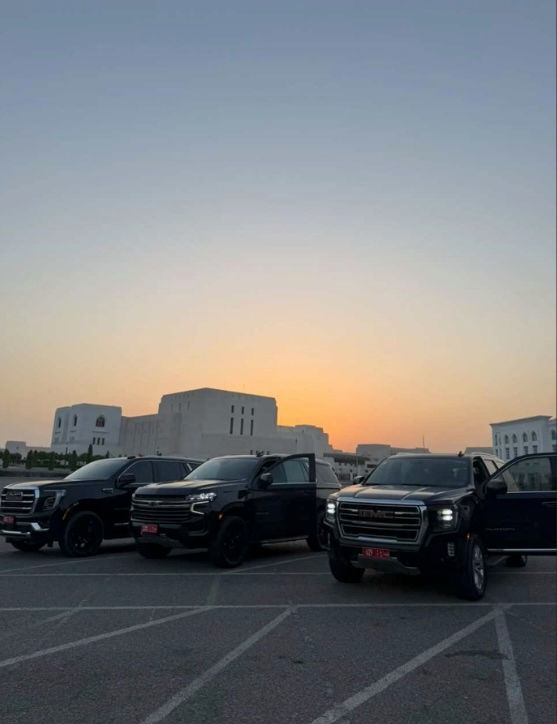
December is especially attractive because visitors can explore outdoor destinations more comfortably than during the hottest part of the year. Days are generally pleasant in Muscat and the coastal regions, while evenings in the desert and mountains can feel noticeably cooler.
For first-time visitors, a carefully planned route can combine Muscat, Wadi Shab, the Sharqiyah desert, Nizwa, and the mountains without making the holiday feel rushed.
Yes. Oman is an excellent December destination for travelers who prefer sunshine and outdoor activities to cold winter weather.
Unlike destinations designed around one major attraction, Oman offers varied experiences within relatively manageable driving distances. A visitor can walk through a traditional souq, visit a fort, hike beside turquoise water, watch sunset over desert dunes, and relax beside the Arabian Sea during the same holiday.
December is suitable for:
Cultural sightseeing in Muscat and Nizwa
Wadi walks and coastal excursions
Desert camps and sunset experiences
Mountain drives and village visits
Road trips along Oman’s eastern coast
Private family and small-group tours
Travelers who want local assistance with transportation and itinerary planning can compare guided Oman tours before deciding which regions to include.
Muscat is the natural starting point for most Oman itineraries. The capital introduces visitors to the country’s architecture, maritime history, religious heritage, and modern hospitality.
The Sultan Qaboos Grand Mosque is one of the city’s most recognized landmarks. Visitors should check current opening times and dress requirements before arriving. Mutrah is another essential area, with its waterfront corniche, traditional souq, and views of the surrounding rocky hills.
Other worthwhile stops include the Royal Opera House Muscat, Old Muscat, Al Alam Palace viewpoints, and the National Museum of Oman. These attractions can be explored over one or two days, depending on the traveler’s pace.
Muscat is spread across a wide area rather than concentrated in a single walkable center. Travelers who value flexible stops and door-to-door transportation may prefer chauffeur hire in Oman instead of organizing each journey separately.
A trip from Muscat toward Sur reveals a different side of Oman. The route combines coastal views, fishing communities, limestone formations, and access to some of the country’s best-known wadis.
Wadi Shab is popular for its canyon scenery, walking route, natural pools, and swimming experience. Visitors should bring suitable footwear, water, sun protection, and clothing appropriate for an active outdoor excursion. Conditions can change, so local weather and safety guidance should always be checked before entering a wadi.
Nearby attractions can include Bimmah Sinkhole, Fins Beach, and the coastal city of Sur. Depending on available time, travelers can visit the area as a long day trip or include an overnight stay to create a more relaxed itinerary.
This region is a strong choice for visitors who want more than a city break but are not interested in a demanding multi-day expedition.
Oman’s desert is one of the country’s most memorable December experiences. The golden dunes of Sharqiyah Sands create a striking contrast with the coast and mountains.
Many visitors arrive in the afternoon, allowing time to see the changing colors of the dunes before sunset. An overnight stay adds the experience of a clear desert sky and a quiet morning among the dunes.
Possible activities include dune drives, short camel rides, sandboarding, photography, and visits arranged with local desert hosts. Availability and operating conditions vary, so travelers should confirm what is included before booking.
Desert evenings can be cool even when daytime temperatures are comfortable. A light jacket and practical footwear are useful additions to a December packing list.
Travelers using their own vehicle should confirm whether their accommodation requires four-wheel-drive access or a meeting-point transfer.
Nizwa offers a valuable introduction to inland Oman. Its fort and souq reflect the country’s trading traditions, architecture, and regional history. The city also works well as a base for exploring nearby villages, forts, and mountain areas.
Jebel Akhdar is known for its elevated scenery, terraced farms, villages, and walking routes. Access beyond the mountain checkpoint generally requires a suitable four-wheel-drive vehicle, so transportation should be planned in advance.
Jebel Shams provides another mountain experience, with dramatic canyon landscapes and hiking opportunities. Temperatures at higher elevations can be much lower than in Muscat, particularly early in the morning and after sunset.
Visitors should therefore pack layers rather than assuming that every part of Oman will have the same warm coastal weather.
A balanced first trip can follow this route:
Visit the Grand Mosque, Mutrah, Old Muscat, museums, and coastal viewpoints.
Travel along the eastern coast, allowing enough time for the wadi walk and scenic stops.
Continue toward the desert for an afternoon activity, sunset, and an overnight camp.
Explore Nizwa Fort, the souq, and nearby historical attractions.
Choose Jebel Akhdar or Jebel Shams according to interests, available time, and vehicle requirements.
Use the final day for shopping, a relaxed coastal stop, or an attraction missed at the beginning of the trip.
This itinerary can be shortened, but attempting to include every major region in only a few days may create too much driving and too little time at each destination.
Oman’s attractions are distributed across cities, coastlines, deserts, and mountain regions. A realistic itinerary should account for driving time, rest stops, seasonal conditions, and vehicle requirements.
Independent car rental offers flexibility, while private transportation can be more convenient for travelers who do not want to navigate unfamiliar roads. A professional driver can also help families and groups maintain a comfortable schedule between hotels and attractions.
Visitors arriving by air can prearrange a private Muscat Airport transfer for direct transportation to their hotel or first destination. Confirm the pickup instructions, luggage requirements, vehicle capacity, and flight details before arrival.
Packing should reflect Oman’s varied landscapes rather than coastal weather alone. Useful items include:
Lightweight clothing for daytime sightseeing
A jacket or warmer layer for desert and mountain evenings
Comfortable walking shoes
Swimwear and water shoes for suitable wadi excursions
Sun protection and a reusable water bottle
Respectful clothing for mosques and traditional communities
Any required medication and travel documents
Travelers should also check current entry requirements, official travel advice, weather forecasts, and attraction opening hours before departure.
Muscat and many coastal areas usually offer pleasant conditions for outdoor travel. Mountains and desert areas can become considerably cooler at night.
Five days can cover Muscat and two nearby regions. Seven to ten days provides a better balance for travelers who want to combine the coast, desert, historic interior, and mountains.
December is commonly chosen for road trips because outdoor exploration is more comfortable. Travelers should still confirm road conditions and use an appropriate vehicle for mountain or desert routes.
Muscat, Wadi Shab, Sharqiyah Sands, Nizwa, and either Jebel Akhdar or Jebel Shams create a varied introduction to Oman.
Oman deserves consideration from anyone searching for a warm country to visit in December. Its appeal comes from variety: visitors do not have to choose between culture, beaches, mountains, desert, or outdoor adventure because a well-designed itinerary can include them all.
The best trip is not necessarily the one containing the greatest number of stops. Allowing enough time in each region, selecting suitable transportation, and checking current local conditions will produce a more comfortable and rewarding Oman experience.


