
Designing the Modern Luxury Home Around Wellness, Comfort, and Functionality
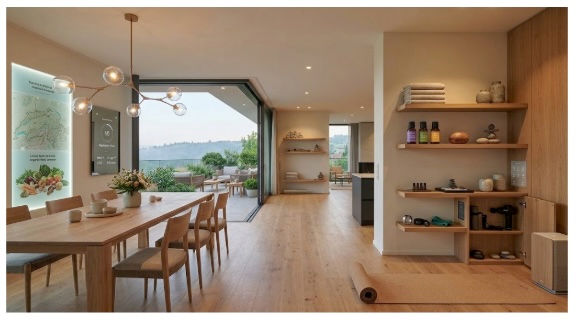
An architect friend of mine walked me through a client's renovation once. Stunning in photos. Marble everywhere. Perfect lighting for the camera. The client hated actually living there within six months. Too cold, literally and otherwise. Nowhere comfortable to just sit and unwind after work. That project got redone entirely, this time around how the family actually lived, not how the house would photograph. That's really the whole shift happening in luxury design right now.
Luxury living moved past expensive furniture and big floor plans a while back. A genuinely elevated home today gets defined by how well it supports the people actually living there. Comfort. Wellness. Function. All of it matters just as much as how a place looks in a magazine spread now.
The modern luxury home increasingly becomes somewhere residents can work, exercise, relax, entertain, recharge, all without leaving the property. Dedicated wellness corners. Intelligently planned interiors. Improvements actually thought through instead of bolted on. All of it stacks toward one thing. A more rewarding way to live, day to day.
Bringing Wellness Into the Home
Wellness has become a real consideration in residential design lately, not an afterthought. Homeowners carve out dedicated space for exercise, meditation, stretching, recovery. Whatever keeps everyday routines running without friction.
A wellness area doesn't need a whole room to itself, honestly. A well-planned corner of a bedroom, a terrace, a living space, any of it can hold equipment while keeping the interior's character fully intact.
Strength and mobility training fold in especially easily. Compact gear like a kettlebell handles functional training without needing the sprawling floor space a traditional home gym demands.
The real trick is folding wellness equipment into the overall design. Not letting it dominate a room, sitting there awkwardly like an obligation. Storage, natural materials, neutral finishes, good lighting, all of it helps an exercise corner feel deliberate. Part of the architecture. Not an afterthought.
Designing Spaces That Work Harder
Versatility defines contemporary luxury interiors more than almost anything else right now. Rooms increasingly serve multiple purposes while holding onto a sense of visual calm somehow.
A guest room doubles as a home office. A spacious dressing area works in a small wellness corner. An outdoor terrace becomes an entertaining space by evening, a quiet retreat by morning. Same square footage. Completely different function depending on the hour.
Needs real planning, though. Furniture placement. Lighting. Storage. Electrical access. How people actually move through the space. All of it needs consideration before any major changes happen.
The most successful interiors make functionality almost disappear. Technology and practical features fold into the design without competing against architectural detail or anything decorative nearby.
The Importance of Professional Home Improvements
Even a genuinely beautiful interior turns frustrating fast once the practical systems underneath get overlooked. Electrical planning. Lighting. Heating. Ventilation. All of it shapes how comfortable a home actually feels, day in and day out.
For anyone planning a renovation, bringing in the right professional at the right stage prevents complications down the road. Electrical work specifically needs careful planning around both current needs and whatever technology shows up later.
For projects in Finland, homeowners often need a qualified sähkömies espoo (electrician in Espoo) when updating lighting systems, adding electrical points, or tackling bigger improvements to a residential property.
Professional input matters especially in luxury homes. Lighting, entertainment systems, kitchen appliances, smart-home tech, wellness equipment, all of it piles demand onto electrical infrastructure at once, more than most systems were originally built for.
Creating Better Lighting
Lighting changes a home's whole character more than people give it credit for. Instead of one central light source, contemporary interiors usually layer several types together.
Ambient lighting handles general brightness. Task lighting helps specific areas actually function. Accent lighting highlights artwork, architectural features, furniture, whatever's worth drawing the eye toward in a room.
Wellness spaces deserve particular attention here. Softer illumination builds something relaxing. Brighter task lighting helps during actual exercise instead, a different mood entirely for a different purpose.
Smart lighting systems make adjusting the whole atmosphere through the day genuinely simple. Brighter light supports morning routines. Warmer, softer light shifts things toward something calmer by evening, almost automatically.
Materials That Support Everyday Comfort
Luxury design gets tied to visually striking materials constantly, but comfort has to stay part of that equation too. Natural wood, stone, textured fabric, other tactile materials, all of it gives interiors real warmth beyond just looking good in a photo.
Durability matters just as much, honestly, maybe more. A beautiful surface that needs constant upkeep isn't always the most practical pick for a household that's actually lived in, actually used.
The best interiors balance how something looks against how it actually performs. High-quality materials shouldn't just impress in a photo. They need to hold up through genuine everyday use too, not just the first six months.
This extends straight into wellness spaces as well. Flooring needs to support actual movement and stay easy to maintain. Storage needs to keep equipment organized once the space gets used for something else entirely, later that same day.
Making Outdoor Spaces Part of the Home
Indoor and outdoor space has gotten a lot more connected in modern residential architecture lately, more than a decade ago.
Terraces, balconies, gardens, outdoor kitchens, all of it effectively expands a property's usable living area. With the right furniture, lighting, heating, landscaping, outdoor spaces become genuinely comfortable destinations. Not just something used a few weeks a year during warm weather.
For anyone focused on wellness specifically, an outdoor area offers a real chance for morning stretching, light exercise, or just stepping away from screens for a while, uninterrupted.
Large windows and thoughtfully planned transitions strengthen that connection year-round. Not just during summer, when it's easy.
Technology Without Losing Character
Smart-home technology makes luxury properties genuinely more comfortable. It needs to support the design, though, not overwhelm it entirely with blinking panels everywhere.
Automated lighting, climate control, security, motorized shades, integrated entertainment, all of it improves daily life at home. The most sophisticated systems, though, are usually the ones that stay quietly in the background. Discreet rather than showy about it.
Planning this early matters a lot. Wiring, electrical capacity, device placement, network infrastructure, all of it needs consideration right alongside the architectural plans. Not tacked on afterward as an afterthought.
Especially important during renovations. Installing infrastructure before walls close up is a lot easier than retrofitting everything later, once the walls are already sealed shut and nobody wants to reopen them.
Designing for a Longer-Term Lifestyle
A luxury home shouldn't just reflect how its residents live today. It needs enough flexibility to handle whatever changes come down the road too, inevitably.
Flexible rooms, accessible layouts, generous storage, adaptable technology, all of it keeps a property genuinely practical over time. A home built around long-term comfort depends a lot less on constant remodeling every few years just to keep up.
This is exactly where functionality becomes part of what luxury actually means. The most sophisticated home was never necessarily the one with the most features crammed in everywhere. It's the one where every single feature actually has a purpose. Contributing something real to daily life, not just sitting there for show.
The New Definition of Luxury
Modern luxury residential design is shifting toward something a lot more personal. Instead of focusing purely on visual extravagance, homeowners increasingly want spaces that genuinely improve how they live, day to day, not just how the place photographs.
A thoughtfully designed wellness area. Intelligently planned lighting. Reliable electrical systems. Comfortable outdoor space. Flexible interiors. All of it stacks toward the same experience, quietly, without competing for attention.
The result is a home that feels luxurious. Not just because of what's inside it, but because of how effortlessly everything actually works together, day after day, without anyone thinking twice about it.
At the end of the day, the modern luxury home needs to offer more than an impressive backdrop for photos nobody actually lives in. It should build an environment where comfort, wellness, technology, and design coexist naturally. Giving the people living there a space that's genuinely beautiful and genuinely useful, both at once, not one traded off for the other.
Frequently Asked Questions
Do I need a dedicated room for a home wellness space?
No, a wellness area doesn't require an entire room. A well-planned corner of a bedroom, terrace, or living space can accommodate equipment while still keeping the room's overall design intact.
Why is electrical planning so important in luxury home renovations?
Luxury homes often place heavy demand on electrical infrastructure due to lighting, smart-home systems, entertainment setups, and wellness equipment all running at once. Planning this early with a qualified electrician helps avoid complications and costly rework later.
How does lighting affect a wellness space specifically?
Softer lighting tends to create a relaxing atmosphere suited to activities like stretching or meditation, while brighter task lighting works better for more active exercise. Smart lighting systems can adjust between these settings throughout the day.
Should smart-home technology be planned before or during a renovation?
It's best planned early, ideally before walls are closed and finishes are completed. Installing wiring and infrastructure at that stage is considerably easier than retrofitting a home after construction is finished.
What makes a home feel luxurious beyond its appearance?
A home feels genuinely luxurious when comfort, wellness, technology, and design work together seamlessly rather than existing separately. Functionality and how well a space supports daily life often matter more than visual extravagance alone.


