
Duck Blind and Hunting Blind: Improve Your Outdoor Hunting Experience
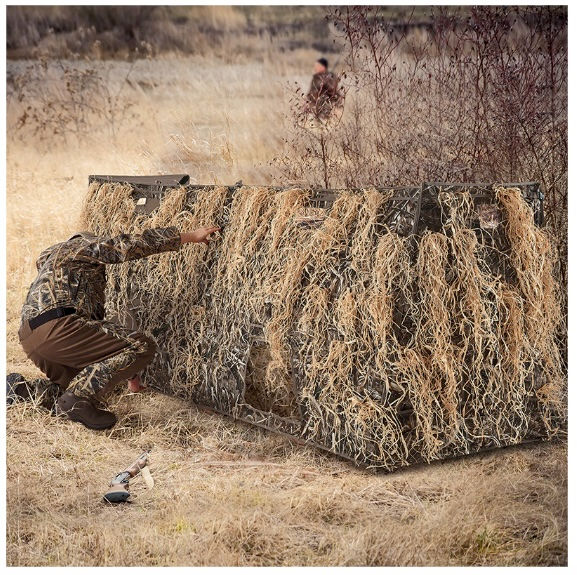
Successful hunting often depends on more than skill and patience. Staying concealed, remaining comfortable, and choosing the right location can make a major difference in the field. This is where a reliable duck blind or hunting blind becomes an essential part of an outdoor hunter’s gear.
Whether you are preparing for waterfowl season or planning a big-game hunting trip, the right blind can provide effective concealment while allowing you to observe wildlife without attracting unnecessary attention.
What Is a Duck Blind?
A duck blind is a specialized hunting shelter designed primarily for waterfowl hunting. Ducks and other waterfowl have excellent eyesight, so hunters need effective concealment to avoid being detected.
Duck blinds can be positioned along wetlands, ponds, lakes, marshes, and other areas where waterfowl commonly gather. Depending on the hunting environment, they may be built from natural vegetation or manufactured using durable camouflage materials.
A good duck blind should blend naturally into its surroundings while giving hunters enough room to move comfortably and prepare their equipment.
Why Use a Hunting Blind?
A hunting blind provides hunters with concealment from wildlife while creating a more controlled and comfortable hunting position. Instead of remaining completely exposed, hunters can stay hidden and wait patiently for the right opportunity.
Modern hunting blinds are available in different shapes, sizes, and designs. Some are lightweight and portable, making them ideal for hunters who frequently change locations. Others are designed for longer-term use and offer additional space and protection from changing weather conditions.
The main advantages include:
Better concealment from wildlife
Protection from wind and light weather
Improved comfort during long hunting sessions
Convenient space for hunting equipment
Greater flexibility when selecting hunting locations
Choosing the Right Blind
Selecting the right blind depends on the type of hunting, terrain, weather, and personal preferences. Waterfowl hunters may prioritize a low-profile design that works well around wetlands, while hunters in wooded or open environments may prefer a blind that provides a wider field of view.
Camouflage is another important consideration. A blind should match the surrounding environment as closely as possible. Natural vegetation, neutral patterns, and appropriate camouflage can help the blind appear less noticeable.
Portability is also worth considering. If you regularly travel to different hunting areas, a lightweight hunting blind that is easy to transport and set up can save time and effort.
Comfort Matters in the Field
Hunting can involve hours of waiting, so comfort should not be overlooked. A well-designed blind can provide shelter while giving hunters enough space to sit, organize their gear, and maintain a good view of the surrounding area.
Features such as comfortable seating, adequate ventilation, weather-resistant materials, and practical storage can make extended hunting trips much more enjoyable.
Prepare Before the Hunt
A blind works best when it is combined with good preparation. Before heading into the field, hunters should become familiar with the terrain and identify areas where wildlife is likely to travel or gather.
Setting up a blind carefully and avoiding unnecessary movement can help maintain effective concealment. Hunters should also follow all applicable hunting regulations, seasonal requirements, land-access rules, and firearm or equipment safety practices.
Make Your Hunting Setup More Effective
Whether you are targeting waterfowl or pursuing other game, choosing a quality duck blind or hunting blind can improve your overall outdoor experience. The right setup provides concealment, comfort, and flexibility while helping you spend more time focused on the hunt.
Before purchasing a blind, consider the environment where you hunt, how frequently you move locations, the number of people using the blind, and the weather conditions you are likely to encounter. With the right preparation and equipment, you can create a practical hunting setup designed for your specific outdoor needs.


