
Easy Upgrades for a More Energy-Efficient Home
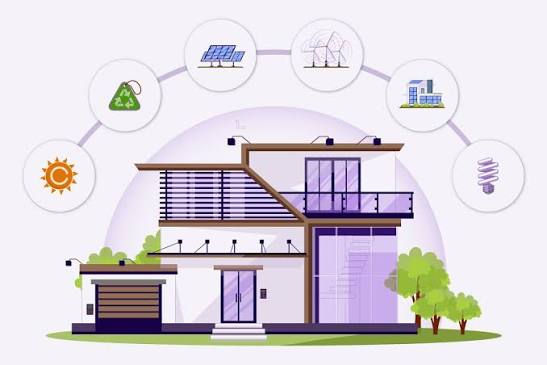
Making your home energy-efficient is one of the most rewarding improvements a homeowner can undertake. Not only does an energy-efficient home reduce your monthly utility bills, but it also minimizes your carbon footprint and creates a noticeably more comfortable living space year-round.
Many people assume that improving residential energy efficiency requires massive capital investments, such as installing whole-home solar systems or executing complete HVAC overhaul projects. While extensive renovations certainly offer long-term value, you do not need a massive budget to see real, immediate savings. Several straightforward, highly effective upgrades can make a major impact on your monthly utility expenses.
1. Upgrade to ENERGY STAR Appliances & Maintain Existing Units
Major household appliances—including refrigerators, washing machines, and dishwashers—account for a substantial portion of your monthly energy usage. Upgrading older units to ENERGY STAR-certified models ensures you are using equipment designed under strict energy efficiency guidelines. For instance, an ENERGY STAR-certified refrigerator consumes approximately 15% less energy than standard non-rated models.
In addition to buying efficient appliances, maintaining your existing household equipment is essential. Dust buildup on refrigerator coils, clogged dryer vents, or failing seals force appliances to draw significantly more power to operate. When larger units begin showing signs of wear or inefficiencies, scheduling professional home appliance repair in Roy, UT helps keep your system running smoothly without wasting unnecessary power.
2. Seal Drafts and Enhance Insulation
Air leaks around windows, doors, and attic hatches allow conditioned air to escape, forcing your heating and cooling systems to work twice as hard. Simple fixes like applying weatherstripping around movable doors and using caulk to seal cracks around window frames keep warm or cool air inside where it belongs.
Furthermore, upgrading insulation in your attic, walls, and subfloors helps maintain a steady indoor climate year-round. Proper home insulation relieves strain on your HVAC unit, creating a cozy environment while significantly lowering energy bills.
3. Install a Programmable or Smart Thermostat
Heating and cooling make up the largest percentage of home energy consumption. A standard manual thermostat often leads to wasted power when residents forget to adjust settings before leaving for work or heading to bed.
A programmable or smart thermostat automates temperature management by setting custom schedules tailored to your routine. Many smart models even allow remote temperature control via smartphone apps, allowing you to lower the heat or air conditioning while away and restore comfortable settings right before you return home.
4. Switch to High-Efficiency LED Lighting
Lighting represents another quick win for reducing household electricity consumption. Traditional incandescent light bulbs lose most of their energy as heat rather than light.
By switching to LED lighting, you can cut lighting energy consumption by up to 75%. Additionally, LED bulbs last up to 25 times longer than incandescent alternatives, reducing replacement costs and waste over time. Focus first on swapping out bulbs in high-use areas such as kitchens, living rooms, and exterior porch lights for the fastest return on investment.
5. Eliminate Standby Power with Smart Power Strips
Many electronic devices continue drawing power even when turned off, a phenomenon commonly referred to as "phantom load". Televisions, gaming consoles, microwave clocks, and computer chargers constantly pull electricity while plugged in.
Smart power strips mitigate phantom load by automatically cutting off electricity supply to connected devices when they enter standby or inactive modes. Implementing smart strips across home entertainment centers and office setups is an effortless, low-cost upgrade that helps trim your power bill.
Start Small for Sustainable Long-Term Savings
Creating an energy-efficient home does not have to happen overnight. By tackling a few accessible upgrades at a time—from installing smart power strips and upgrading to LEDs to scheduling routine appliance maintenance—you will steadily cut your utility costs while enjoying a cleaner, more sustainable home.


