
Emergency Dental Care: What to Do When You Chip or Knock Out a Tooth
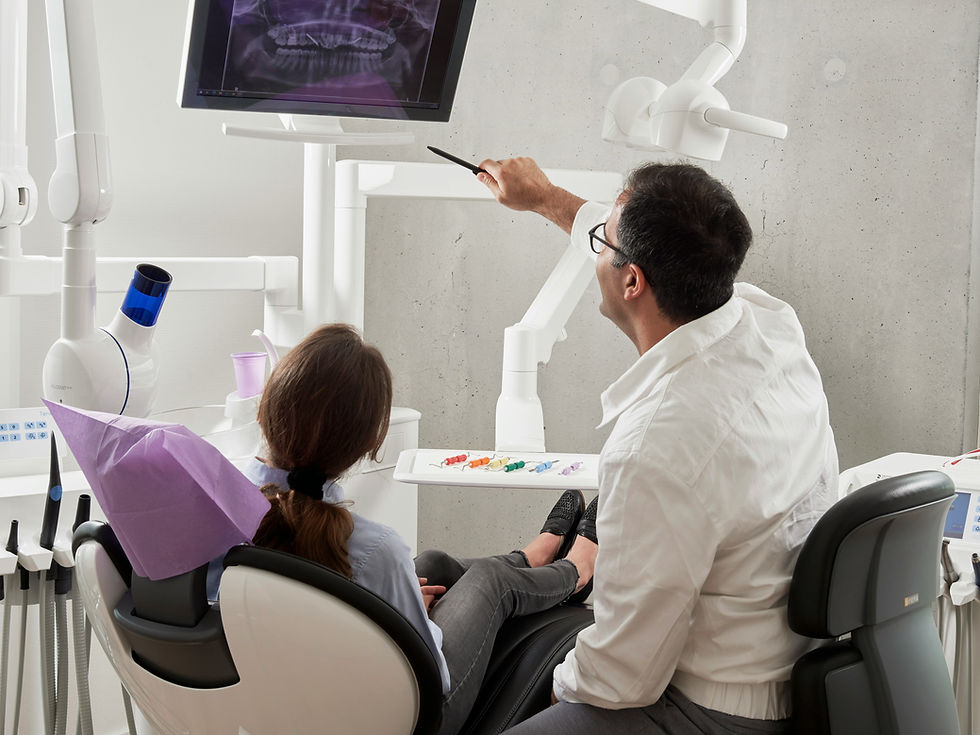
Dental emergencies happen without warning, leaving individuals in pain and unsure of how to protect their health. Physical trauma, accidental falls, or biting down on hard foods can easily damage teeth. Acting quickly and calmly during the first hour following an injury plays a critical role in saving a damaged tooth and reducing long-term treatment costs.
Immediate Steps for a Knocked-Out Tooth
A completely displaced tooth requires immediate, structured action. Time is the most critical factor when attempting to save the natural root structure.
1. Handle the Tooth with Extreme Care
Always pick up the displaced tooth by the upper white part, known as the crown. Never touch the exposed root tissue at the bottom. The delicate cells remaining on the root surface are essential for reattaching the tooth to the jawbone, and touching them can cause permanent damage.
2. Clean the Tooth Gently
If the tooth falls onto a dirty surface, rinse it briefly in a bowl of clean water or cold milk. Do not scrub the tooth, use soaps or chemicals, or wrap it in a tissue. Excessive handling destroys the vital living tissue clinging to the root.
3. Maintain Proper Preservation Moisture
The natural root must remain moist to stay viable. Try inserting the tooth back into its original socket, holding it in place by gently biting down on clean gauze. If reinsertion is not possible, place the tooth in a small container of milk or a dedicated cell-preserving solution until you reach a clinic.
Managing Chipped or Fractured Teeth
Chipped teeth are less urgent than complete tooth loss, but prompt attention remains necessary to prevent underlying nerve damage and internal bacterial infections.
4. Rinse the Oral Cavity
Rinse your mouth immediately with warm salt water to clean away debris, reduce bacteria, and soothe irritated gums. Collect any broken tooth fragments you can find, keep them moist in water or milk, and bring them to your emergency appointment.
5. Control Bleeding and Swelling
Apply a piece of clean, damp gauze to any bleeding areas inside the mouth, maintaining soft pressure for ten minutes. To minimize facial swelling and ease discomfort, place a cold compress or ice pack against the outside of your cheek near the injured area.
6. Protect Delicate Soft Tissues
A chipped or cracked tooth often leaves behind sharp enamel edges. These jagged edges can cut your tongue, cheeks, or lips. Cover the sharp portion of the tooth with a small piece of dental wax or temporary filling material available at most local pharmacies.
Long-Term Restoration and Treatment Paths
Once the initial emergency passes, professional evaluation determines the best path to restore proper function and appearance to your smile.
7. Professional Emergency Evaluation
A dentist will take digital images to examine the full extent of the structural damage beneath the gums. Minor chips can often be restored quickly using tooth-colored composite resin, while larger fractures might require a custom crown or root canal treatment.
8. Evaluating Complete Tooth Replacement Options
When a natural tooth cannot be saved or reinserted, replacing the missing structure promptly prevents surrounding teeth from shifting out of alignment. Exploring advanced solutions like same-day dental implants in Harrisonburg, VA helps patients restore natural biting strength and esthetics rapidly following unexpected tooth loss.
9. Preventing Future Dental Injuries
Taking preventative measures reduces the likelihood of future dental trauma. Wearing a custom-fitted mouthguard during sports activities protects teeth from impact injuries. Additionally, avoiding habits like chewing on ice, hard candies, or non-food objects protects tooth enamel from sudden cracks.
Knowing how to respond to an unexpected dental emergency saves valuable time and improves your treatment outcomes. By staying calm, preserving damaged tissue correctly, and contacting a dental professional immediately, you safeguard your health and smile.


