
Everything You Need to Know Before Hiring an HVAC Contractor
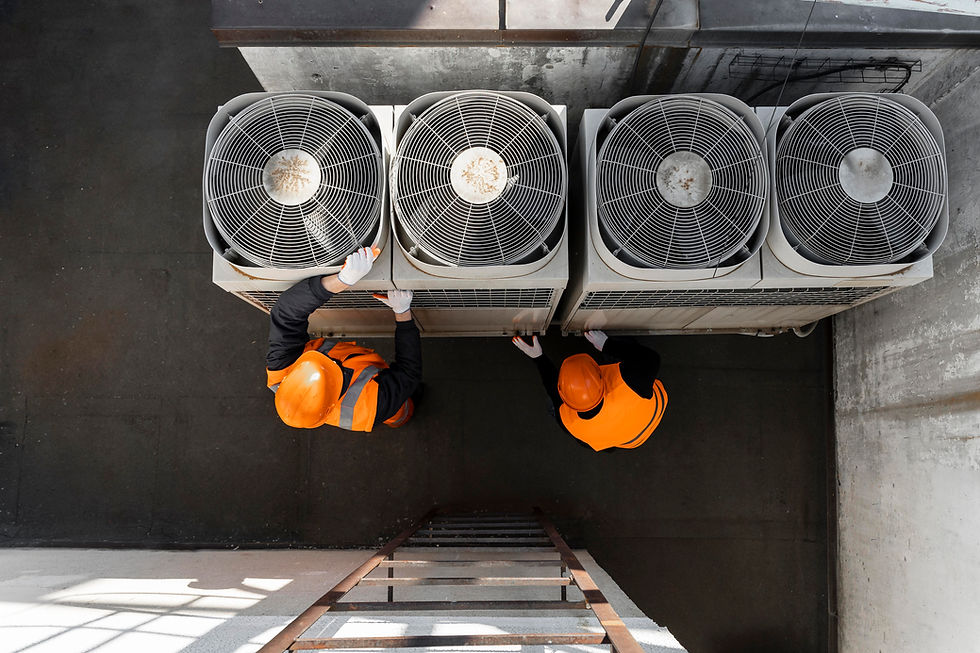
Your heating and cooling system is one of the hardest-working parts of your home. It runs quietly in the background for years, and most of us do not think about it until something goes wrong. When that moment comes, knowing how to find the right professional, ask the right questions, and understand what the work actually involves makes the whole process a lot less stressful.
Whether you are dealing with a system that stopped working on the coldest night of the year or planning a full replacement before the next season hits. This guide walks you through what you need to know.
What Does an HVAC Contractor Do?
HVAC stands for heating, ventilation, and air conditioning. A licensed hvac contractor highlands ranch co installs, maintains, repairs, and replaces the systems that control the temperature and air quality inside your home.
That covers more ground than most homeowners realize:
Furnaces, boilers, and heat pumps
Central air conditioning and ductless mini-split systems
Ductwork installation, sealing, and repair
Thermostats and smart home climate controls
Indoor air quality equipment like humidifiers, dehumidifiers, and air purifiers
Ventilation systems and exhaust fans
Some contractors specialize in residential work only. Others handle both residential and commercial projects. For home-related work, look for contractors with specific residential experience.
When Should You Call an HVAC Contractor?
Some situations are clear-cut emergencies. Others are easy to put off until they become a much bigger problem. Here is a practical guide to when picking up the phone makes sense.
Call right away if:
Your system stops producing heat or cool air entirely
You hear banging, grinding, or screeching coming from the unit
You notice a burning smell or see visible smoke near any HVAC equipment
Your carbon monoxide detector goes off and your furnace is a possible source
Schedule a visit soon if:
Utility bills have crept up without a clear reason
Some rooms heat or cool unevenly while others feel fine
The system is cycling on and off more frequently than usual
Your equipment is over 15 years old and has not been serviced recently
Plan ahead for:
Annual maintenance tune-ups, ideally in spring for AC systems and fall for heating
System replacements before an aging unit reaches complete failure
Proactive scheduling almost always saves money compared to emergency service calls.
How Do You Find a Reputable HVAC Contractor?
This is where homeowners often make their first mistake: choosing solely on price. The cheapest quote rarely reflects the full picture.
Start by asking neighbors, friends, or your real estate agent for personal recommendations. Word of mouth still outperforms any online directory. From there, use Google reviews and Better Business Bureau ratings to build a short list.
Once you have two or three candidates, verify the following before inviting anyone to give an estimate:
State HVAC license in good standing
General liability insurance and workers' compensation coverage
Manufacturer certifications, if you are considering a specific brand
NATE certification (North American Technician Excellence), which is a widely recognized industry credential
For homeowners in Colorado's Front Range suburbs, seasonal demand can be intense. Researching reliable professionals before you need one urgently is a habit worth developing. A trusted hvac contractor highlands ranch co homeowners return to year after year, tends to book out quickly once summer heat or a winter cold snap arrives.
What Credentials Should an HVAC Contractor Have?
Licensing requirements vary by state, but most require HVAC contractors to pass exams, log field hours, and carry insurance. In Colorado, HVAC contractors must hold a state mechanical license or work under a licensed master.
Beyond basic licensure, here are credentials worth looking for:
NATE Certification: Issued by North American Technician Excellence, this is the most recognized third-party certification in the industry. It signals that a technician has passed standardized testing in specific areas of HVAC work.
EPA 608 Certification: Required by federal law for anyone who handles refrigerants. If a contractor is working on your AC system, this certification is mandatory.
Manufacturer training: Many equipment brands offer certified dealer or installer programs. These contractors have completed brand-specific training and often have access to better warranty terms on equipment they install.
ACCA membership: The Air Conditioning Contractors of America sets industry standards and offers training programs. Membership is not required but reflects a commitment to professional development.
What Is Included in an HVAC Tune-Up?
Annual maintenance is one of the most straightforward ways to extend the life of your system and keep energy bills in check. According to the U.S. Department of Energy, a well-maintained HVAC system can use up to 15 percent less energy than a neglected one.
A standard tune-up for a central air system typically includes:
Checking refrigerant levels and inspecting for leaks
Cleaning the evaporator and condenser coils
Inspecting and tightening electrical connections
Lubricating moving parts in the blower motor
Testing the thermostat for accurate calibration
Clearing the condensate drain line
Inspecting ductwork for visible leaks or disconnections
Changing or inspecting the air filter
A furnace tune-up follows a similar checklist with additional steps like testing the heat exchanger for cracks, inspecting the burners, and measuring combustion efficiency.
Plan on scheduling these visits annually. Many contractors offer maintenance agreements that include two visits per year, one for cooling season and one for heating, often at a discount over individual service calls.
How Long Does an HVAC System Last?
Knowing the typical lifespan of your equipment helps you plan and budget ahead of a failure.
Central air conditioners: 15 to 20 years with regular maintenance
Gas furnaces: 15 to 30 years depending on usage and upkeep
Heat pumps: 10 to 15 years, shorter than furnaces because they run year-round
Boilers: 20 to 35 years, often the longest-lasting of common systems
Ductless mini-splits: 15 to 20 years
These are averages. A system that has been regularly serviced and operated in a moderate climate can easily outperform these estimates. One that has been neglected or pushed through extreme conditions may fail well before them.
If your system is within five years of the end of its expected lifespan and requires a significant repair, that is usually the right moment to have a frank conversation with your contractor about replacement versus repair.
What Questions Should You Ask Before Hiring an HVAC Contractor?
Getting multiple bids is smart. Knowing what to ask during each visit is smarter. Here are the questions worth raising before you sign anything:
Are you licensed and insured in this state, and can I verify your license number?
Who will actually perform the work, and are they NATE certified?
Do you pull permits for this type of installation?
What brands do you recommend, and why?
What size system do you recommend, and how did you calculate that?
What does the warranty cover, and what voids it?
What is your timeline, and what happens if the project runs long?
That last question about system sizing is particularly important. A properly sized HVAC system is calculated using a Manual J load calculation, which accounts for square footage, insulation levels, window placement, and local climate. A contractor who quotes a system size without performing this calculation is guessing, and a system that is too large or too small for your home will underperform and wear out faster.
Is a Permit Required for HVAC Work?
In most jurisdictions, yes. Installing a new system, replacing major components, or significantly modifying ductwork typically requires a permit and a final inspection.
Permits exist to protect homeowners. The inspection process verifies that work was done to code and that your equipment is operating safely. Unpermitted HVAC work can create problems when you sell your home, affect your homeowner's insurance coverage, and leave you with no recourse if something goes wrong.
A reputable contractor will pull permits as standard practice. If a contractor suggests skipping the permit process to save time or money, that is a reason to look elsewhere.
What Is the Difference Between Repairing and Replacing an HVAC System?
This is the question homeowners dread because the answer often involves a significant expense. A helpful rule of thumb: multiply the system's age (in years) by the estimated repair cost. If that number exceeds $5,000, replacement is usually the better investment.
A few other factors point toward replacement over repair:
The system uses R-22 refrigerant, which is no longer manufactured and is increasingly expensive to source
Repair costs exceed 50 percent of the cost of a new system
The system has needed repeated repairs over the past two to three years
A new system would qualify for utility rebates or federal tax credits that offset the upfront cost
Your contractor should be willing to walk through this math with you, honestly. The goal of a good service relationship is a well-functioning home, not a recurring service invoice.
A Few Final Thoughts
HVAC work is one of those home investments that is easy to overlook until it becomes impossible to ignore. The homeowners who fare best are the ones who treat their systems like they treat their cars: regular maintenance, early attention to small issues, and a trusted professional they can call without starting from scratch every time.
Building that relationship before a crisis hits is half the work. The other half is knowing enough about the process to ask the right questions when it matters.


