
Factors That Can Increase the Risk of Serious Injury in Slip and Fall Accidents
Slip and fall accidents frequently occur in various environments, including homes, offices, retail spaces, and public places. These incidents can lead to severe injuries, with a range of contributing factors that increase the likelihood of a fall. Understanding these factors can help individuals and property owners take proactive measures to minimize risk and promote safety in their surroundings.
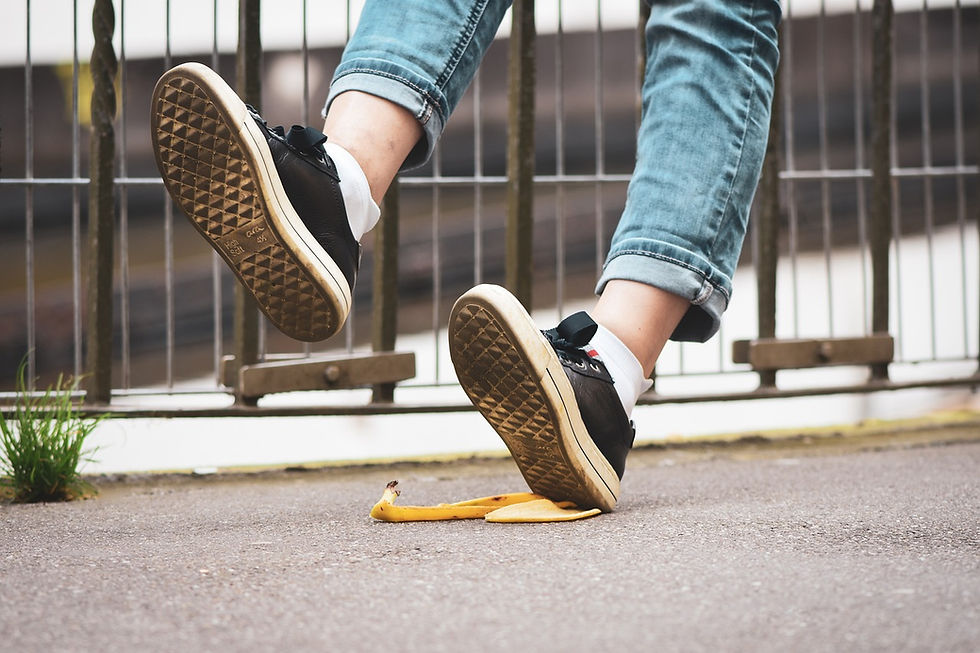
Environmental Hazards
The environment is a significant contributor to slip and fall accidents. Common hazards include wet floors, uneven surfaces, and obstacles in walkways. In commercial settings, spills can happen quickly and go unnoticed, leading to hazardous conditions. For instance, a retail store may not have adequate signage to warn customers about slick floors after mopping.
Outdoor environments present their own set of challenges. Snow, ice, and loose gravel can create perilous conditions for pedestrians. Proper maintenance of walkways and immediate cleaning of spills can significantly reduce risks. The responsibility often lies with property owners to ensure that their premises are safe for visitors, involving regular checks to identify and rectify potential hazards.
Local Regulations and Legislation
Local regulations significantly impact how property owners maintain safety on their premises. If you file a personal injury claim in New Mexico, then local laws will apply; the same goes for a claim in New York. Each region may have specific building codes and requirements related to slip-resistant flooring, signage, and maintenance standards. Familiarity with these laws can guide property owners in compliance and prevent potential lawsuits.
It is essential for both landlords and tenants to understand their rights and responsibilities under local laws. Some jurisdictions may mandate that property owners conduct regular inspections and keep written records of maintenance. Legal adherence protects property owners from liability and enhances the safety of visitors.
Human Behavior and Awareness
Human behavior plays a crucial role in slip and fall accidents. Distractions such as mobile devices can prevent individuals from noticing hazards in their path. Inattention and rushing to complete tasks often lead to missteps. Encouraging individuals to remain vigilant and aware of their surroundings can mitigate these risks.
Training employees about safety protocols helps reduce accidents. Businesses should offer training on navigating their spaces safely and recognizing potential hazards. Workplace safety programs can be beneficial in promoting a culture of heightened awareness and responsiveness to risks.
Design and Layout Considerations
The design and layout of a space can drastically affect the likelihood of accidents. Poorly lit areas and complicated pathways can increase the risk of falls. Inadequate illumination may hide obstacles or hazardous conditions. A shopping mall with dim lighting in certain sections could lead to unsuspecting patrons tripping over protruding objects.
Architectural features such as ramps, escalators, and stairs must adhere to safety standards to ensure accessibility and prevent falls. Proper spacing between fixtures and clear signage are equally critical, as crowded or confusing layouts can create bottlenecks and panic in emergencies.
Installing handrails and anti-slip flooring can be effective measures to improve safety in high-traffic areas, illustrating a commitment to user safety and compliance with regulations. Regular safety audits should be conducted to identify and address evolving risks, particularly in spaces that undergo frequent layout changes. Incorporating universal design principles ensures environments remain safe and functional for users of all ages and abilities.
Personal Risk Factors
Individual factors such as age, health conditions, and footwear can contribute to the risk of falling. Older adults are particularly vulnerable due to decreased balance and strength. Certain medications may cause dizziness or send mixed signals to the body. Besides, wearing inappropriate footwear can compromise stability and grip on smooth surfaces.
Encouraging individuals to wear supportive shoes and manage health conditions can significantly reduce fall risks. Awareness programs aimed at older adults or those with mobility challenges can promote exercise regimes to bolster strength and balance, enabling safer movement in various environments.

Weather Conditions
Weather can heavily influence the safety of outdoor areas. Rain, snow, or ice creates slippery conditions, elevating injury risks. Property owners must ensure that outdoor paths are cleared and treated for safety, especially during adverse weather events. Failure to address these conditions could result in serious liability for accidents occurring on their property.
Individuals should exercise caution during harsh weather. Proper footwear and selecting safe routes can prevent falls. Awareness of changing weather conditions and proactive approaches to personal safety can significantly decrease the chances of accidents for pedestrians.
Slip and fall accidents pose significant risks, resulting in severe injuries, influenced by numerous factors, from environmental conditions to personal behavior. Ensuring safe surroundings involves recognizing and addressing these risks through proper maintenance, awareness, and training. Understanding local regulations can protect property owners and enhance safety for visitors. By taking steps to mitigate hazards and foster awareness, we can cultivate a safer environment for everyone.


