
Fiber Pigtail Applications
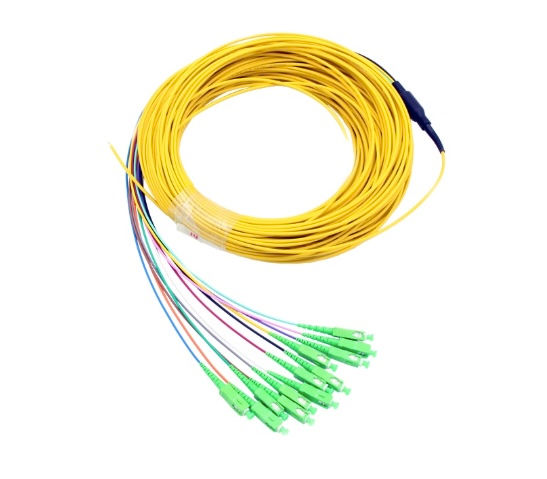
Modern communication networks require dependable fiber optic connections to move large amounts of data quickly and efficiently. A fiber pigtail is commonly used to terminate optical fibers and create organized connections between fiber cables and network equipment.
Its simple design makes it useful in telecommunications, data centers, broadband systems, and many other optical communication applications.
Understanding the Structure
A typical fiber pigtail consists of a short fiber optic cable with a connector attached to one end. The opposite end contains exposed optical fiber that can be spliced to another fiber.
The connector provides an accessible interface for connecting the fiber to an adapter or piece of equipment. The bare end is designed for permanent joining through a suitable splicing process.
This structure makes pigtails particularly useful for fiber termination applications.
Use in Fiber Distribution Frames
Fiber distribution frames are commonly used to organize and manage optical connections. Fiber pigtails can be spliced to incoming cables and connected to adapters mounted within the distribution frame.
This arrangement helps separate permanent cable connections from equipment connections. If equipment needs to be replaced or rearranged, technicians can often manage the connectorized side without disturbing the permanent cable splice.
Good organization is especially important in facilities containing large numbers of fiber connections.
Data Center Applications
Data centers handle large volumes of network traffic and often require high-density fiber infrastructure.
Fiber pigtails can be used in patch panels, splice enclosures, and fiber management systems. Compact connector options can help maximize available rack and panel space.
Proper labeling and cable management are important in these environments because technicians may need to identify and service individual connections quickly.
Telecommunications Networks
Telecommunications providers use fiber optic infrastructure for broadband, voice, mobile backhaul, and other communication services.
Fiber pigtails can be used in distribution points and termination equipment where optical cables need to be connected to adapters or network hardware.
Because telecommunications networks can extend over long distances, maintaining low-loss and reliable connections is important for overall network performance.
Broadband and FTTH Systems
Fiber-to-the-home networks bring optical fiber connections directly to residential and business locations. These systems require many termination points throughout the network.
Fiber pigtails can be used in optical distribution boxes, cabinets, and other termination equipment. Their connectorized ends provide convenient interfaces for connecting optical components.
The exact type of pigtail used depends on the network architecture and equipment specifications.
Connector Selection
Choosing the correct connector is essential when installing a fiber pigtail. LC and SC connectors are among the commonly used options, but other connector styles are available for specific applications.
The connector should match the adapter or equipment port. Technicians should also consider the required polishing type and optical performance specifications.
Using the wrong connector can prevent physical connection or result in poor optical performance.
Importance of Fiber Cleaning
Cleanliness is critical in fiber optic systems. Dust, oil, and other contaminants on connector end faces can increase insertion loss and affect signal quality.
Before connecting a fiber pigtail, technicians should inspect and clean the connector using appropriate fiber-cleaning equipment.
Protective caps should remain on unused connectors to reduce contamination during storage and installation.
Managing Bend Radius
Optical fiber can be sensitive to excessive bending. Bending a fiber beyond its recommended radius can increase signal loss or potentially damage the fiber.
During installation, pigtails should therefore be routed carefully and secured without creating sharp bends.
Proper cable management systems can help maintain appropriate bend radius and reduce accidental strain.
Testing the Connection
Testing is an important part of fiber installation. Technicians may use optical power meters, light sources, visual fault locators, or other testing equipment to verify connection quality.
For more detailed network certification, specialized instruments can measure parameters such as insertion loss and optical return loss.
Testing helps identify problems such as poor splices, dirty connectors, excessive bending, or damaged fiber.
Long-Term Maintenance
Although fiber pigtails are designed for reliable operation, network connections still require appropriate maintenance.
Technicians should inspect connectors when troubleshooting performance issues and avoid unnecessary disconnections. Replacement may be required if a connector or fiber becomes damaged.
Clear labeling and organized cable routing can also make future maintenance faster and more efficient.
Conclusion
A fiber pigtail provides a practical connection between permanent optical fiber cables and network equipment or fiber management systems. Its applications range from telecommunications and broadband networks to data centers and enterprise infrastructure.
Correct fiber type, connector selection, careful splicing, proper cleaning, bend-radius management, and testing all contribute to reliable performance. When these practices are followed, fiber pigtails can support organized and dependable optical network installations.


