
Ghostwriting Beyond Books: Scripts, Speeches, and Digital Content
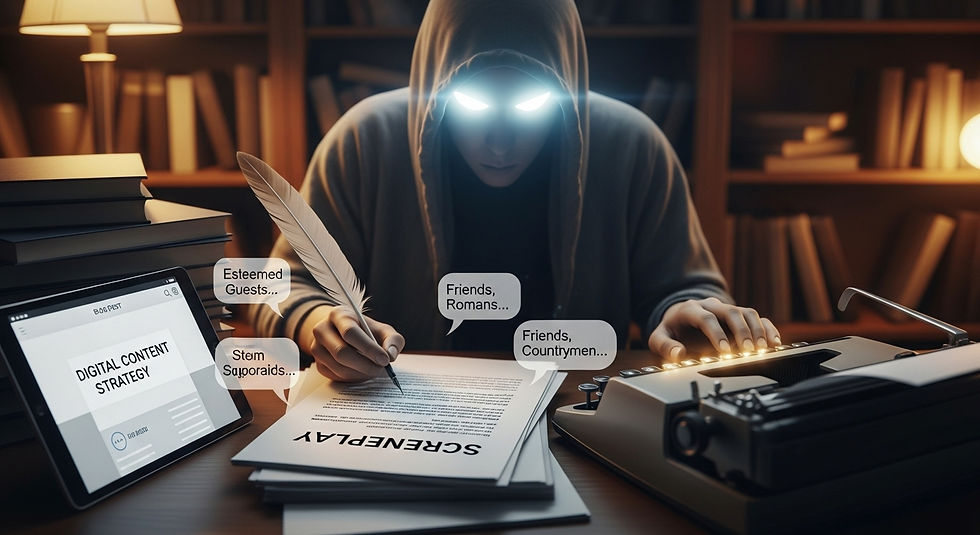
Most people think of books—celebrity memoirs, business autobiographies, or political titles written behind the scenes—when they hear the word “ghostwriting.” While book ghostwriting is still a significant aspect of the business, it makes up only a small portion of what ghostwriters do today. In fact, ghostwriting has permeated nearly every aspect of contemporary communication, from speeches delivered on international platforms to the digital information regularly viewed on laptops and phones.
The need for polished, consistent communication has grown along with the number of communication platforms. Executives, public figures, business owners, and organizations need to communicate regularly and clearly, often across platforms that demand very diverse writing styles. Because of this shift, ghostwriters are now seen as strategic collaborators who help create speeches, scripts, and digital content whose voice and purpose never take center stage.
A Broader View of Ghostwriting Today
At its most basic, ghostwriting is creating content that is attributed to another person. It is the implementation of an idea, not the idea itself. Ghostwriting is now a common practice in professional communications, rather than exclusive to long-form publishing.
Modern ghostwriters work closely with their clients to understand how they think, speak, and interact with their audience. The goal is not imitation but alignment. Whether the content is a blog post or a conference speech, it should meet the expectations of the target audience while appearing genuine to the person being credited.
This evolution has made professional ghostwriting services increasingly valuable for individuals who have ideas and expertise, but limited time or writing specialization.
Speech Ghostwriting: Turning Ideas into Impactful Delivery
Speechwriting is one of the most established forms of ghostwriting outside of books. Political leaders, CEOs, academics, and industry experts often rely on experienced writers to help structure and refine their speeches.
Why Speeches Require a Different Approach
Unlike written content, speeches are designed to be heard. They must flow naturally, emphasize key points, and hold attention in real time. A sentence that reads well on a page may sound awkward when spoken aloud, which is why speech ghostwriting requires a deep understanding of rhythm, pacing, and audience engagement.
Professional speech ghostwriters often collaborate closely with speakers, using notes, recordings, or outlines to shape a final draft that feels natural to deliver. This process is commonly associated with speech writing services, particularly for high-stakes events such as keynote addresses or public announcements.
Example:A technology executive preparing for a product launch may provide bullet points about innovation and company vision. A ghostwriter transforms those points into a cohesive speech with a clear opening, compelling narrative, and memorable conclusion—while preserving the executive’s natural speaking style.
The Purpose of Speech Ghostwriting
Written information and speeches are very different. They should flow naturally when spoken aloud and are intended to be heard rather than read. A skilled speech ghostwriter is aware of audience involvement, rhythm, timing, and emphasis. The goal is to engage the audience on an intellectual and emotional level as well as providing facts.
When writing a speech, ghostwriters have to edit their work to fit the speaker’s natural delivery style and tone. For example, the language and format of a professional keynote address is different from an informal motivational speech. Making the speech seem genuine, as if the speaker wrote it themselves, is the ghostwriter’s job.
Common Use Cases
Speech ghostwriting is widely used in:
Political campaigns and governmental addresses
Corporate leadership announcements and shareholder meetings
Academic conferences and commencement ceremonies
Award acceptance speeches and public statements
In many cases, the speaker provides notes, ideas, or talking points, which the ghostwriter refines into a cohesive and compelling narrative. This collaborative process ensures accuracy while elevating the overall quality of the message.
Script Ghostwriting: Writing for Audio and Visual Platforms
Scripts are another major area where ghostwriting plays a critical role. From corporate videos to podcasts and webinars, scripted content has become central to how organizations educate, market, and communicate.
Business and Media Applications
Script ghostwriting is widely used for:
Brand and explainer videos
Podcast episode outlines
Online course and training modules
Virtual presentations and webinars
Scripts must sound conversational while remaining structured. They also need to account for timing, visual cues, and audience attention spans. Ghostwriters working in this space focus on clarity, tone, and delivery, ensuring the script feels natural when spoken.
Example:A company launching a new service records a short promotional video. The on-screen speaker appears spontaneous, but the message is guided by a ghostwritten script designed to sound confident, approachable, and clear.
Ghostwriting in the Digital Content Era
Perhaps the most significant expansion of ghostwriting has occurred in digital content creation. Blogs, articles, newsletters, social media posts, and website copy are now central to personal branding and organizational communication. Maintaining a consistent and authoritative digital presence is time-consuming, leading many individuals and businesses to rely on ghostwriters.
Blogs and Articles
Ghostwritten blogs and articles are common across industries, from technology and finance to health, education, and marketing. Business leaders, consultants, and entrepreneurs often publish thought leadership content under their own names, written by professional ghostwriters.
In this context, ghostwriting serves several purposes:
Establishing expertise and credibility
Improving online visibility through search-optimized content
Communicating complex ideas clearly to a broad audience
The ghostwriter must research topics thoroughly, adapt to the author’s perspective, and ensure accuracy, all while remaining invisible.
Social Media and Short-Form Content
Social media platforms have further expanded the scope of ghostwriting. Executives, public figures, and brands frequently outsource the writing of posts, captions, and even comment responses. While these pieces are short, they require precision, platform awareness, and an understanding of audience behavior.
Ghostwriters working on social media content must:
Match the tone and personality of the credited individual
Adapt messaging to platform norms
Maintain consistency across frequent updates
This form of ghostwriting is less formal than book writing, but no less strategic.
Ethical Considerations and Transparency
Ethical concerns often arise as ghostwriting expands into new formats. Is it appropriate for someone else to write remarks attributed to a public figure? Does ghostwriting deceive the audience?
In professional settings, ghostwriting is generally accepted. Speeches, publications, and digital content are usually the result of collaboration, even if only one name is publicly visible. Industry-specific differences exist in transparency, but the basic ethical foundation is alignment: the information must fairly represent the opinions and goals of the person to whom it is attributed.
The majority of professional ghostwriters adhere to strict ethical standards and confidentiality agreements. Their job is to help ideas be expressed more effectively, not to fabricate opinions or distort facts.
Skills That Matter Beyond Book Ghostwriting
Ghostwriting across scripts, speeches, and digital platforms requires more than strong writing skills. Successful ghostwriters must be adaptable, able to shift tone and structure depending on the medium. They must also be strong listeners, capable of translating spoken ideas into polished written content.
Equally important is audience awareness. Writing a speech for a live audience, a script for video, or a blog for online readers each requires a different approach—something experienced ghostwriters understand well.
Why Ghostwriting Continues to Expand
The demand for ghostwriting continues to grow as the quality of public and professional communication increases. These days, leaders, business owners, and subject matter experts are constantly required to be visible through speeches, articles, social media updates, and digital publications. Producing high-quality content at this rate requires time, focus, and sophisticated writing skills — resources that many professionals lack.
By enabling people to exchange ideas and insights without sacrificing accuracy or consistency, ghostwriting provides a viable option. To ensure clarity across platforms, skilled ghostwriters help organize complex ideas, refine language, and edit messages for various media. This assistance is especially helpful in settings where credibility and trust are directly affected by credibility and clear communication.
The growing importance of individual and corporate branding is another factor driving demand. Keynote speeches, digital commentary, and thought leadership content all have a significant impact on how audiences perceive authority and knowledge. Clients can meet the growing demands for content while maintaining a strong, unified voice thanks to ghostwriters.
Finally, there are now more opportunities — and pressures — to communicate effectively due to the growth of digital media. Ghostwriting is a strategic, behind-the-scenes service that helps ideas reach audiences with impact and precision, and it continues to evolve as content platforms diversify and competition for attention intensifies.
Frequently Asked Questions (FAQs)
1. Is ghostwriting limited to celebrities?
No, although ghostwriters often use public figures, ghostwriting is also used by professionals, business owners, academics, and consultants for speeches, articles, and digital content.
2. Does ghostwriting reduce authenticity?
When done correctly, ghostwriting improves clarity without changing intent. The client’s thoughts and voice are reflected in the content. They are simply conveyed more concisely.
3. Are ghostwriters adaptable to different material formats?
Indeed, skilled ghostwriters are taught to write in a variety of formats, such as blogs, screenplays, speeches, and short-form digital content, while varying their style as needed.
4. What is the typical ghostwriting process?
The process typically begins with conversations, notes, or interviews to learn about the client’s ideas, goals, and preferred voice. The ghostwriter then drafts the content, takes criticism into account, and polishes the finished product to ensure it closely matches the client’s goals and target demographic.
5. Does ghostwriting only apply to written content?
No, ghostwriting involves more than just writing. It also covers digital media content, speeches, screenplays, and presentations. To ensure the message is effective across multiple platforms, many ghostwriters specialize in editing language for spoken and multimedia formats.
6. Is it possible to change or modify ghostwritten information over time?
Yes, as concepts change, industries change, or new information becomes available, content written in the past is often updated. Maintaining consistency in voice and messaging while keeping the information fresh is made possible by ongoing collaboration.
Conclusion
Ghostwriting has greatly expanded the boundaries of traditional book publishing. Today, it plays a vital role in producing speeches, screenplays, and digital content that define public discourse and professional identity. Ghostwriters continue to be important partners in helping ideas reach audiences in a clear, confident, and authentic way—without taking center stage—as communication needs continue to grow.


