
Home Access Center: Improving Comfort, Safety, and Accessibility at Home
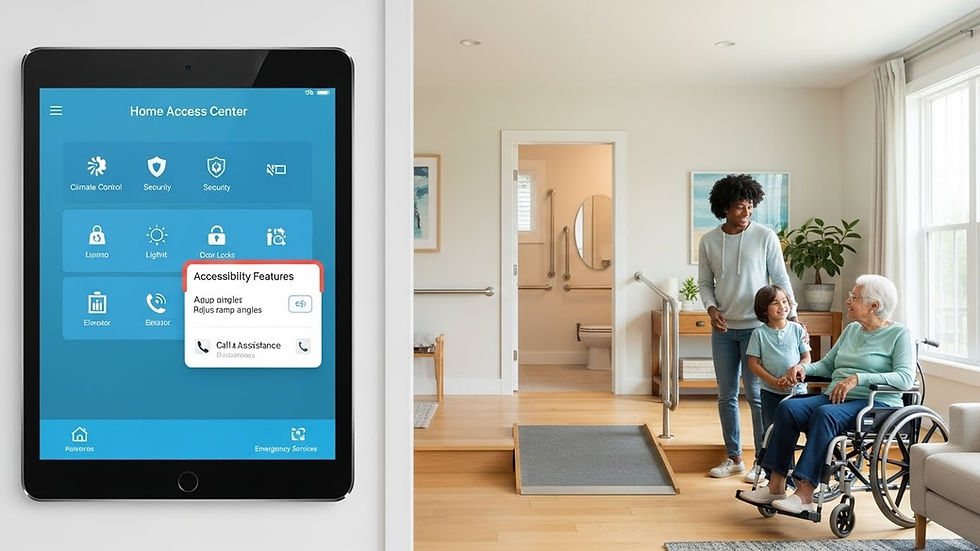
A Home Access Center in the context of home improvement refers to solutions, services, and modifications that make homes easier, safer, and more comfortable to access and use. These improvements focus on mobility, convenience, and long-term livability, especially for families, elderly individuals, and people with physical challenges.
Home access improvements are no longer considered luxury upgrades. They are practical investments that enhance quality of life and support independent living.
What Home Access Means in Home Improvement
Home access in home improvement involves making entrances, pathways, and interior spaces easier to use. This includes improving how people enter and move through a home safely and comfortably.
A Home Access Center represents the idea of combining expertise, planning, and solutions that address access needs in one place. The focus is on functionality without sacrificing appearance.
These improvements can benefit people of all ages, not just those with mobility limitations.
The Purpose of Home Access Improvements
The main purpose of home access improvements is to remove physical barriers. Stairs, narrow doorways, uneven surfaces, and poor layouts can limit comfort and safety.
By improving access, homes become more usable and adaptable to changing needs over time.
These changes allow homeowners to remain in their homes longer, reducing the need for relocation or assisted living facilities.
Common Home Access Solutions
One of the most common home access improvements is the installation of ramps. Ramps provide smooth and safe entry for wheelchair users, prams, and individuals with limited mobility.
Handrails and grab bars are also essential. They provide stability in areas such as entrances, staircases, and bathrooms.
Widened doorways and level thresholds improve movement between rooms and reduce tripping hazards.
Lighting improvements are often included to ensure visibility and safety, especially in entryways and hallways.
Improving Entryways and Exits
The entrance to a home is one of the most important areas for accessibility. Steps, high thresholds, and narrow doors can create daily challenges.
Home access improvements may include low-rise steps, non-slip surfaces, and automatic or easy-to-open doors.
Weather protection such as covered entrances can also improve safety and comfort during rain or snow.
Well-designed entryways improve both usability and the overall appearance of the home.
Interior Access and Movement
Interior access focuses on making movement between rooms easier and safer.
Open layouts, wider hallways, and smooth flooring reduce obstacles and allow for easier navigation.
Stairlifts or residential lifts may be installed in multi-level homes to support safe movement between floors.
These solutions help maintain independence while preserving the home’s original character.
Bathroom and Kitchen Accessibility
Bathrooms and kitchens are key areas where access improvements can make a significant difference.
In bathrooms, walk-in showers, non-slip flooring, and accessible fixtures reduce the risk of accidents.
In kitchens, lowered worktops, accessible storage, and clear floor space improve usability for all residents.
These changes increase comfort while maintaining practicality and style.
Safety and Comfort Benefits
Home access improvements significantly enhance safety. Reducing fall risks and improving stability helps protect residents from injuries.
Comfort is another major benefit. A home that is easy to move around in reduces physical strain and daily stress.
These improvements also offer peace of mind for family members, knowing that the home environment supports safety and independence.
Long-Term Value of Home Access Improvements
Investing in home access improvements adds long-term value to a property.
Accessible homes appeal to a wider range of buyers and are more adaptable to future needs.
These upgrades can reduce future renovation costs by addressing access issues early.
They also support aging in place, allowing homeowners to remain in familiar surroundings for longer.
Personalised Home Access Planning
Every home and household is different. Effective home access improvements should be tailored to individual needs.
A Home Access Center approach emphasizes assessment, planning, and thoughtful design.
Solutions should balance functionality, safety, and visual appeal to ensure the home remains welcoming.
The Role of Professional Expertise
Professional guidance is essential when planning home access improvements.
Experts can identify potential challenges and recommend appropriate solutions.
Proper installation ensures safety, durability, and compliance with building standards.
Working with experienced professionals helps achieve the best results without unnecessary disruption.
Conclusion: Home Access Center
A Home Access Center in home improvement represents a commitment to creating homes that are safe, comfortable, and accessible for everyone.
Through thoughtful design and practical modifications, homes can better support independence and daily living.
Home access improvements are not only about mobility but about dignity, convenience, and long-term comfort.
By investing in access-focused home improvements, homeowners create spaces that adapt to life’s changing needs while maintaining style and functionality.


