
How Bedding Brands Can Plan Comforters for Different Climates and Regions
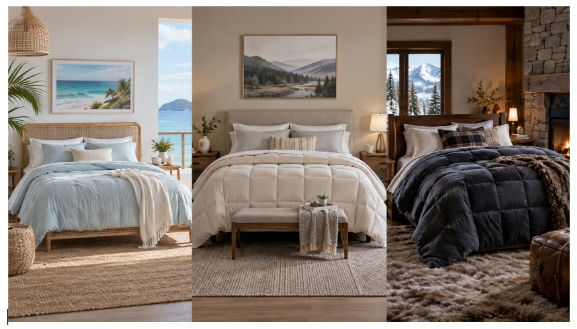
A comforter that works well in one region may not be suitable for another. Climate, indoor temperature, seasonal changes, customer habits, and even the way homes are heated or cooled can influence what people expect from bedding. For brands selling in more than one market, understanding these differences can help create products that feel more relevant to local customers.
Working with a Custom Comforter Manufacturer can give bedding businesses more flexibility when planning products for different regions. Instead of using one standard comforter specification everywhere, brands can adjust elements such as fabric, fill weight, thickness, size, colors, quilting, and packaging according to the needs of a particular market.
Climate Should Influence Product Planning
Temperature is one of the most obvious factors to consider when developing bedding, but it is not the only one.
Two places with similar outdoor temperatures may still require different bedding because homes can have different heating, cooling, insulation, and sleeping habits.
For example, customers in a warm region may still use air conditioning at night and prefer a light but comfortable comforter. In another area, people may keep bedrooms warmer during winter and not need extremely heavy bedding.
Brands should consider:
Average seasonal temperatures
Indoor heating and cooling
Humidity
Length of warm and cold seasons
Customer sleeping habits
Common bedroom environments
These details can help determine whether a comforter should feel lightweight, medium weight, or fuller.
Warm Regions May Need Lighter Construction
In warmer climates, comfort is often connected to weight and breathability.
A comforter that feels too heavy can make sleeping uncomfortable, especially during long hot seasons.
Brands serving warm regions may want to focus on:
Lighter fill levels
Less bulky construction
Smooth fabric
Balanced quilting
Easy-care materials
Year-round usability
The goal is not necessarily to create the thinnest possible comforter.
Customers may still want a product that looks full enough to make the bed feel complete. The challenge is creating a balance between visual appearance and comfortable weight.
A lightweight comforter can still look attractive if the fabric, quilting, and dimensions are planned properly.
Cooler Markets May Prefer More Warmth and Fullness
Colder regions may require a different approach.
Customers often expect bedding to feel warmer, fuller, and more substantial during colder months.
Brands may consider:
Increased fill weight
Fuller construction
Fabrics with a warmer feel
Deeper seasonal colors
Quilting that supports even fill distribution
However, heavier does not always mean better.
A comforter should still be manageable and comfortable. If it becomes too heavy, some customers may find it difficult to use or wash.
The right product depends on the actual climate and how customers use heating inside their homes.
Humidity Can Change What Customers Prefer
Humidity is another factor that can influence bedding choices.
In humid conditions, customers may prefer bedding that does not feel overly dense or heavy.
A thick comforter may feel uncomfortable even when the temperature is not extremely high.
Brands targeting humid regions can pay attention to:
Fabric feel
Overall product weight
Filling level
Ease of care
Drying time after washing
These practical details can affect customer satisfaction.
It is useful to think about the entire experience of owning the product rather than only how it looks when new.
Seasonal Changes May Require More Than One Product
Some regions experience large temperature differences between summer and winter.
In these markets, one comforter may not suit every season.
Brands can consider creating separate options, such as:
Lightweight summer comforter
Medium-weight all-season comforter
Fuller winter comforter
This creates clearer choices for customers.
It can also help avoid trying to make one product perform equally well in completely different conditions.
The same general design style can still be used across different weights, allowing the collection to remain visually consistent.
Understand Local Bedroom Styles
Climate affects more than comfort.
Different regions may also have different interior design preferences.
Some markets may prefer simple neutral bedding, while others may respond better to stronger colors or decorative patterns.
Brands should consider:
Common bedroom colors
Popular interior styles
Local décor preferences
Traditional design influences
Seasonal color choices
A comforter should fit naturally into the homes of the customers who are expected to buy it.
Even a technically well-designed product may struggle to connect with buyers if its visual style feels unfamiliar or unsuitable for the market.
Regional Sizing Needs Should Be Checked Carefully
Bed sizes are not always identical across markets.
A size name that is common in one country may represent different dimensions somewhere else.
This makes exact measurements especially important when developing comforters for regional markets.
Brands should confirm:
Mattress width
Mattress length
Preferred comforter overhang
Local size names
Finished product dimensions
These details should be clearly included in both manufacturing specifications and customer-facing information.
Using only a general size name without confirming measurements can create confusion.
Customization Can Support Regional Product Strategies
Brands selling across several markets may benefit from adjusting comforter specifications instead of offering exactly the same product everywhere.
Working with a Custom Comforter Manufacturer can allow businesses to develop variations based on regional climate, customer expectations, preferred sizes, design styles, and seasonal needs.
For example, one comforter collection may use the same basic visual identity while offering:
Different fill weights
Different dimensions
Regional color options
Seasonal fabric variations
Market-specific packaging
This approach can help maintain brand consistency while still making the product feel suitable for local customers.
Color Can Reflect Regional and Seasonal Preferences
Color choices often change depending on both climate and culture.
Warm regions may suit lighter shades such as:
White
Cream
Soft grey
Light blue
Pale green
Cooler seasonal collections may use:
Brown
Charcoal
Deep blue
Warm beige
Rust-inspired shades
These are only general directions.
Brands should study the preferences of their actual customers rather than assuming every region follows the same style.
A strong collection can combine a few safe neutral shades with colors that are more specific to the target market.
Quilting Should Match Product Weight
Quilting can affect both the appearance and structure of a comforter.
A lightweight product may need a different quilting layout from a fuller winter comforter.
The goal is to support even distribution of the filling while maintaining the intended visual style.
Brands can review:
Quilt spacing
Stitch pattern
Fill movement
Edge finishing
Overall bed appearance
The quilting pattern should work with the weight and construction of the product rather than being selected only for decoration.
Think About Care and Washing Conditions
Customers in different regions may also have different laundry habits.
Some may regularly use large washing machines and dryers, while others may air-dry bedding or use smaller home appliances.
This can influence product design.
Brands should think about:
Comforter size
Overall weight
Drying requirements
Care labeling
Ease of handling
A very bulky comforter may be suitable in one market but inconvenient in another.
Practical care can be an important part of customer satisfaction, especially for products intended for frequent household use.
Packaging May Need to Change by Market
Packaging requirements can also vary between regions.
An e-commerce market may need compact and protective packaging, while physical retail may require more visible product presentation.
Brands should consider:
Shipping distances
Storage space
Retail display
Product protection
Labeling requirements
Size information
Language needs
The product itself may remain similar while the packaging changes according to how and where it is sold.
This can help a brand maintain a consistent comforter design while adapting its presentation for different markets.
Sampling Should Reflect the Final Market
A sample should be reviewed with the target region in mind.
It is not enough to ask whether the comforter looks good.
Brands should evaluate whether the product feels appropriate for the climate and customer.
Questions may include:
Is the weight suitable?
Does the fabric feel comfortable?
Is the size correct for local beds?
Does the color fit the market?
Is the comforter easy to handle?
Does the packaging make sense?
If several regional versions are being developed, comparing samples side by side can help identify whether each one has a clear purpose.
Avoid Making Too Many Variations
Regional customization can be useful, but too many versions may make production and inventory difficult to manage.
Brands should focus on meaningful differences.
For example, three clearly defined options may be more practical than ten slightly different comforters.
A business could create:
Warm-climate version
All-season version
Cold-climate version
Additional colors or sizes can then be added based on demand.
This keeps the collection easier to understand for both the business and the customer.
Use Customer Feedback to Improve Regional Products
Once comforters reach the market, customer feedback can provide useful information.
Reviews and returns may show whether customers think the product is:
Too warm
Too light
Too heavy
Too large
Too small
Difficult to wash
Different from expected
Repeated feedback can help guide future production.
Brands can then adjust fill, size, materials, or product descriptions for the next order.
This creates a more informed approach to regional product development.
Build Flexible Comforter Collections
Brands do not always need a completely different design for every market.
A flexible base product can often be adapted through small changes.
For example, the same quilting style and general color direction may be used across several regions while the fill weight and dimensions change.
This can help maintain a recognizable brand identity without ignoring local needs.
The most effective regional comforter strategy is usually based on balance. Brands need to consider climate, indoor living conditions, sizing, care habits, visual preferences, and practical production at the same time.
By developing products around real regional needs rather than using one specification everywhere, bedding businesses can create comforters that feel more suitable for the customers they are designed to serve.
Businesses exploring customized comforter solutions for different climates, regions, and customer groups can find additional product information through joyilife.com.


