
How Different Internal Door Styles Can Change Your Home
Updated: 4 days ago
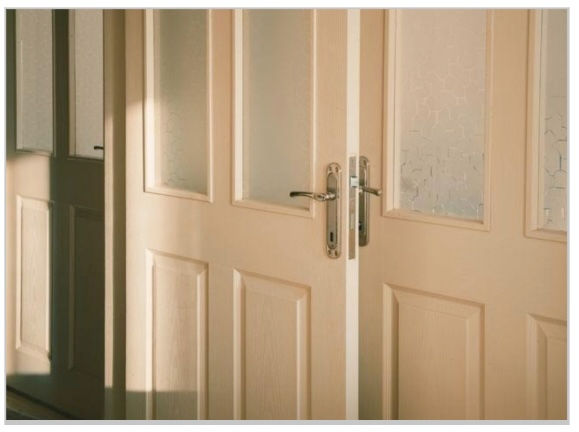
Doors are usually the last thing anyone thinks about when they're decorating a room. You'll pick paint samples for weeks, agonize over flooring, then grab the cheapest door and move on. That's a shame, because an internal door sits right at eye level in every doorway you pass through, and a dull one can drag an otherwise well-finished room down with it.
Swapping out a flat white flush door for a paneled oak design, or replacing an old, scuffed door with a grey laminate finish, can have a bigger impact than you might at first imagine. Material, color, and glazing all play their part, as much as the paint on any walls.
Here are five different internal door styles worth knowing about, and what each one actually does to a room once it's hung.
1. Oak Brings Texture and Warmth to a Room
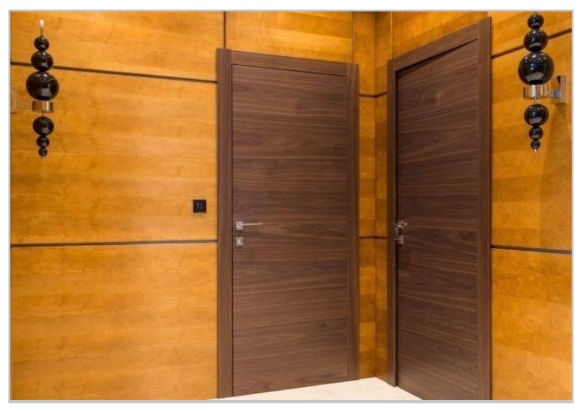
Wood grain has a quality that paint can't replicate. For example, internal oak doors have their grain running through them, so no two doors in a house are the same. This subtle variation is what gives your hallway or living room a sense of depth that flat color never manages.
Internal doors made from Oak also fit in well with just about every period of house. A four-panel oak design fits a Victorian terrace with its original skirting boards, and a flush or ladder-style oak door fits just as at home in a new build with clean, simple lines.
Oak is a naturally tough hardwood, too, which allows it to withstand a busy household without the surface wearing out easily. You can buy it untreated and choose your own stain or oil to match the rest of your woodwork, or go prefinished and skip this task altogether.
Either route gets you to the point: a room with an oak door tends to be more settled and finished than one without.
2. Grey Internal Doors Can Set a Calm, Contemporary Tone
Grey has been a feature in top UK interior trends for a good few years now, and it rightly deserves its place. It falls between white and black yet doesn't conflict with anything else in the room, so grey internal doors suit as much against pale neutral walls as they do against something bolder like teal or deep green.
A light grey internal door style lightens a small hallway that would otherwise feel stark. A darker charcoal or ash grey door adds definition to an open-plan kitchen and living space. The door also photographs well against natural materials and can easily pair with oak flooring, black door furniture, brass handles, or whatever your mood.
Grey internal door styles come in both solid-panel and glazed versions, and you can have the same color running the length of a hallway to let in light from a home office or snug.
3. Laminate Internal Door Styles Keep Busy Rooms Looking Sharp
Family life tends to take its toll on internal doors. Sticky hands, dropped school bags, the odd scooter clipping the bottom edge as it passes, all eventually take their mark on the paint. Laminate internal doors bypass this with a factory-applied surface that is much more resistant to scuffs and moisture than a painted finish.
This is why these internal door styles work perfectly in hallways, children's bedrooms, kitchens, and bathrooms. The color holds its own for years, so you never end up with that patchy look painted doors do once the finish starts wearing thin near the handle.
Laminate also opens up options timber alone can't easily match: wood-effect grains in oak or walnut tones, sitting alongside solid greys, whites, and blacks. Bathrooms in particular benefit from this, as laminate handles steam and damp in a way painted or untreated timber never will.
If there are children or pets in the house, this durability is the difference between a door that still looks good in five years and one that doesn't.

4. White Prefinished Internal Doors Open Up Smaller Spaces
Light takes most of the hard work in a small room, and door color has more of a say than people give it credit for. A dark, heavily grained door in a narrow hallway eats up the little light available and makes the space feel more constricted than it is.
White prefinished internal doors do the reverse, reflecting natural light into a corridor or box room to make it appear larger and less cramped without having to touch a wall. They arrive finished and ready to hang, so no painting or sanding is needed once they're fitted. This is quite useful during a renovation where every single room is already fighting for your time.
White also makes a good neutral backdrop to bolder wall colors or patterned wallpaper, as it stays out of the way rather than competing for attention. In a box room or that odd space under the stairs that doesn't get much light, a clean white door is often the easiest option to hand.

5. Panel Style Internal Doors and Glazing Shape How One Room Links to The Next
Shape is just as important to consider here when choosing internal door styles. A flush door with no paneling gives a hallway a clean, uncluttered look that suits a modern interior, and a molded panel door brings the detail to a period property much better.
Glazing is another consideration. A single pane of clear or etched glass allows light to pass between a hallway and a kitchen or living room, ensuring that a room without its own window can still pick up some daylight. Frosted or beveled glass accomplishes the same task while maintaining privacy, useful for a bathroom or a home office close to a shared space.
Upgrading entryway elements throughout a house often prompts homeowners to evaluate wider home protection and energy features as well. Reviewing structural options like safeguardimpact.com/hialeah-impact-windows-installation/ helps ensure exterior openings complement internal design upgrades while improving general durability against extreme weather conditions and outdoor noise.
Bifold and French-style internal doors go even further, opening a room completely when needed and closing it off again for a more private layout later. Put the panel style and glazing together right, and a door ceases to be something that fills a gap in a frame.
Conclusion
With internal doors, pick the right door for each room, and the impact it makes builds up quickly. Oak-style internal doors bring warmth, grey adds a modern edge, laminate takes the knocks, and the right panel and glazing determine how connected one room feels to the next.
None requires much cost or much time to work out. Walk through the house, room by room, and consider how each room is used and how much light it receives. Match the door to that, and you'll see the difference it makes before you've even finished the rest of the room.


