
How Stomach Ulcers Can Affect Your Horse's Everyday Behaviour
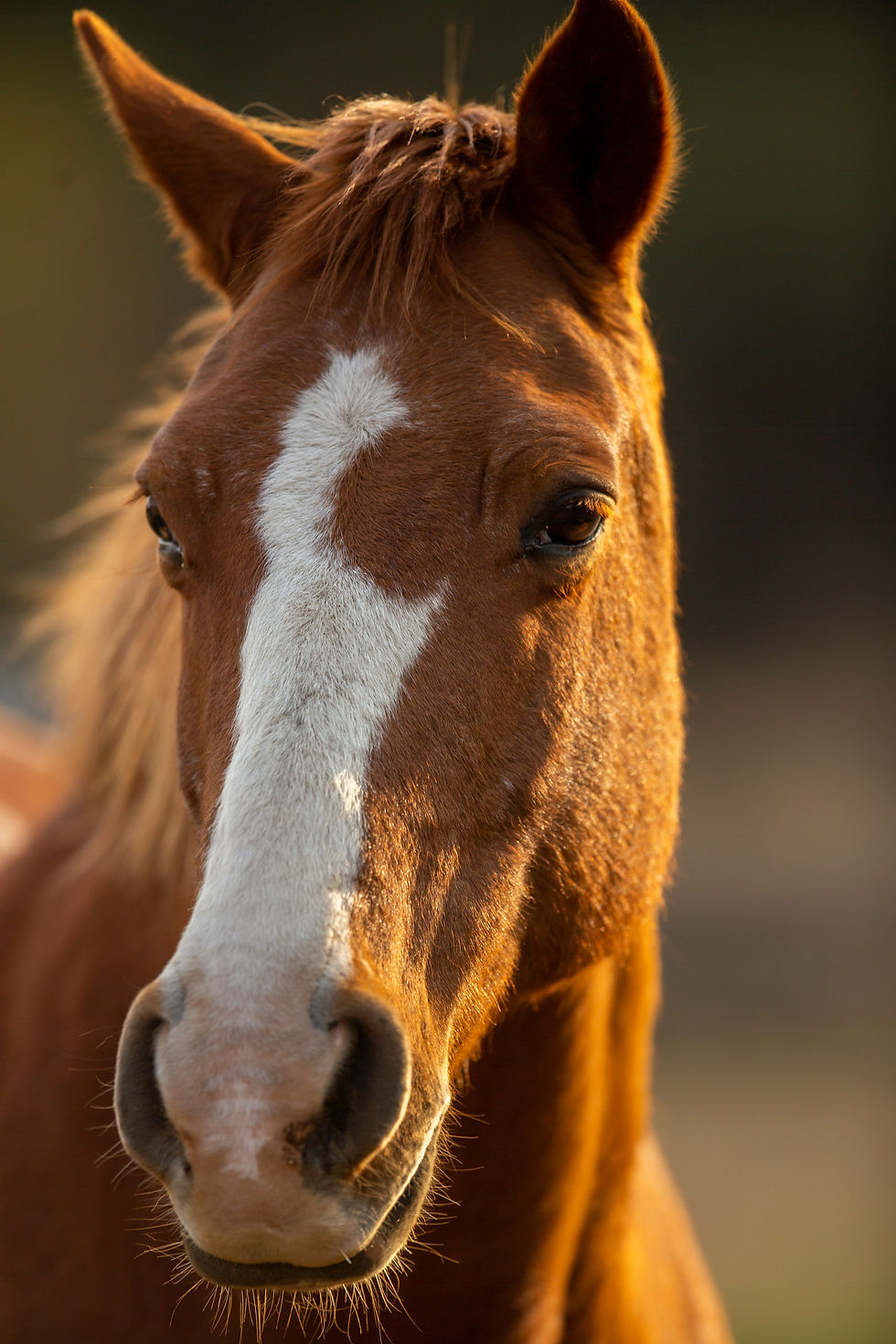
A horse that's suddenly pinning her ears at feeding time, or one who's started threatening other horses over a bucket he never used to care about, isn't necessarily developing a bad attitude.
More often than owners realise, sudden behavioural shifts like these trace back to something entirely physical: gastric discomfort quietly reshaping how a horse interacts with the world around him. Understanding exactly how that physical discomfort translates into specific, recognisable behaviours is what actually helps owners catch the real cause early.
Why Stomach Acid Can Lead to Ulcers and Discomfort
A horse's stomach produces acid continuously, while regular grazing produces saliva that helps buffer it. When forage access is limited or meals are spaced too far apart, that protection decreases.
Constant acid production: Acid continues even when the stomach is empty.
Less saliva: Reduced chewing means less natural buffering.
Long empty periods: Sensitive stomach tissue has greater exposure to acid.
Ulcer formation: Repeated exposure can irritate and damage the stomach lining.
Discomfort: Pain from these lesions may contribute to changes in appetite, behaviour, or performance.
Understanding this process makes it easier to recognize that behavioural changes may sometimes reflect physical discomfort rather than simply a training issue.
The Connection Between Girthiness and Stomach Ulcers
This is where the mechanism becomes concrete rather than abstract. It's a common misconception that girth sensitivity relates to the stomach directly, but it's actually the hindgut, specifically the colon, that extends along the underside of the belly into the girth area. Pressure from a girth against a horse already experiencing abdominal discomfort compounds that existing pain, which is exactly why a horse might tolerate being saddled calmly on a good day and pin her ears, swish her tail, or even attempt to bite on a day when the underlying discomfort is worse.
A study by Millares-Ramirez and Le Jeune, published in the Journal of Equine Veterinary Science, examined horses presenting specifically with girthiness and found that 92% of those horses were subsequently diagnosed with gastric ulcers on endoscopy.
That number shows the mechanism working in the other direction too, if girthiness is present consistently, it's often not a training or fit issue at all, it's the physical result of an ulcer making an already sensitive area considerably more painful to touch.
How Discomfort Translates Into Feeding-Time Aggression and Spookiness
The same underlying mechanism explains behaviours that look completely unrelated to girthiness on the surface. A horse in ongoing abdominal discomfort becomes more reactive generally, not just around the girth.
At feeding time, that heightened reactivity often shows up as pinning ears, rushing the bucket, or threatening herd mates, behaviour driven by a horse anticipating pain or simply being on edge rather than genuine food aggression. Under saddle, the same reactivity can present as spookiness or nervousness that wasn't part of a horse's temperament before, since a horse already uncomfortable has less tolerance for additional stress or surprise.
How to Tell the Difference Between a Training Issue and a Physical One
This is really the middle of what makes ulcers so easy to misdiagnose. Because these behaviours look exactly like ordinary resistance or a personality quirk, they often get addressed with more discipline or a change in tack rather than a veterinary evaluation, precisely the opposite of what actually helps.
Understanding how to tell if your horse has ulcers means learning to look for the pattern rather than any single behaviour in isolation. Mad Barn's detailed breakdown of ulcer signs makes clear that these behavioural clues rarely appear alone, they tend to show up alongside quieter physical signs like a dulling coat or subtle weight loss, and it's that fuller pattern, not one isolated bad day, that actually points toward a physical cause.
How It All Connects, Step by Step
Pulling the full mechanism together in one place makes the pattern much easier to spot:
Limited forage, high-grain diets, and stall confinement interrupt the near-constant grazing and saliva production horses evolved to rely on
Without that buffering saliva, continuously produced stomach acid sits directly against unprotected stomach tissue
That ongoing acid exposure creates lesions, the physical basis of Equine Gastric Ulcer Syndrome
The resulting discomfort intensifies under girth pressure, since the hindgut extends into the girth area, explaining why girthy behaviour correlates so strongly with an ulcer diagnosis
The same discomfort lowers a horse's overall tolerance for stress, which shows up as feeding-time aggression, spookiness, or general reactivity that wasn't there before
Travel, competition, and intense exercise add further acid production, compounding all of the above, which is exactly why performance horses show this cluster of behaviours so much more often
Each link in that chain feeds the next, which is why treating any single behaviour in isolation, without asking what's driving the whole pattern, so often misses the actual cause.
The Management Factors That Increase Ulcer Risk
Equine Gastric Ulcer Syndrome affects an estimated 60 to 90% of performance horses, and the mechanism behind that figure traces directly back to management. Limited forage access, high-grain diets, stall confinement, and intense exercise all interrupt the natural grazing and buffering rhythm described earlier, while travel and competition stress add further acid production on top.
Each of these factors independently increases how much unbuffered acid sits against stomach tissue, which is exactly why performance horses show this specific cluster of behaviours so much more often than horses living a quieter pasture life.
Conclusion
Stomach ulcers shape a horse's everyday behaviour through a specific, traceable mechanism: acid buildup creates real physical discomfort, that discomfort intensifies with girth pressure and general stress, and the resulting reactivity shows up as girthiness, feeding-time aggression, and spookiness that owners often mistake for attitude.
Given how strongly documented behaviours like girthiness correlate with an actual ulcer diagnosis, understanding this chain of cause and effect, rather than treating a sudden personality shift as simple stubbornness, is exactly what catches this common condition before it progresses any further.


