
How to Choose a Water Dispenser for Modern Hong Kong Offices
In Hong Kong, office pantries have to work hard. They often sit in compact floor plans, close to desks or meeting rooms, and every visible detail affects how the workplace feels. A well-chosen water dispenser can support practical luxury office pantry ideas by matching the design, running quietly, and making daily hydration easy.
Choosing one is not just a catalogue exercise. High-rise plumbing, fit-out rules, service access, and limited storage all influence what can be installed and maintained. Use the framework below to compare dispenser types, filtration options, beverage modes, placement, hygiene, and service plans before you commit.
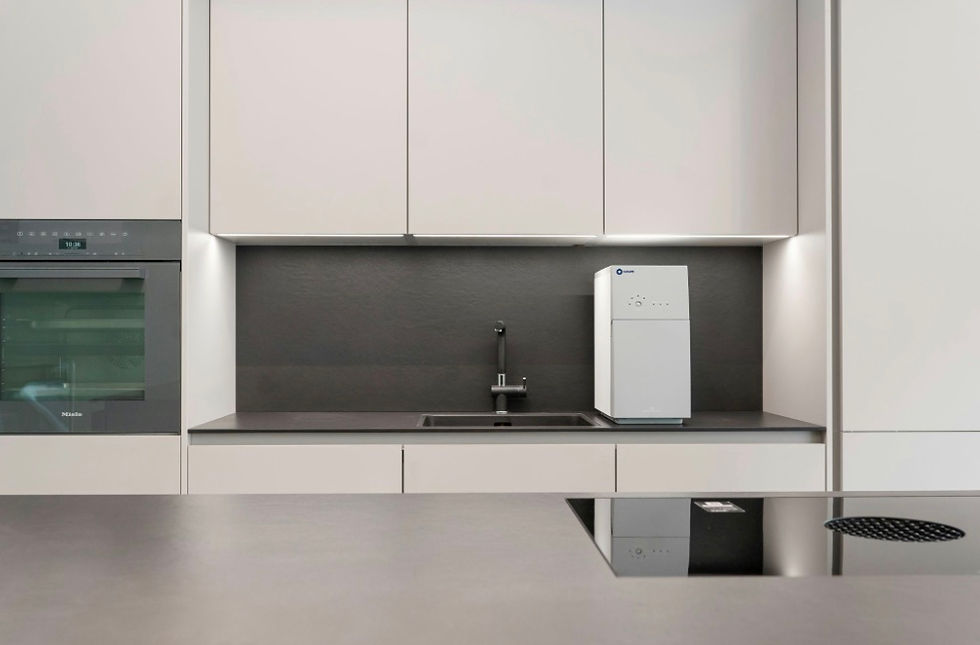
What Luxury Means in a Hong Kong Pantry
When designers and office managers talk about a luxury pantry, they usually mean a space that feels calm, clean, and intentional rather than decorative for its own sake. A dispenser should support that goal in four practical ways.
For material cues, luxury design details can offer useful context when aligning taps, counters, and storage with a premium pantry aesthetic.
Design language. Minimal taps, concealed hardware, and finishes such as brushed stainless steel, matte black, or stone should make the dispenser look planned, not added at the last minute.
Acoustics. A loud chiller or pump can undermine a premium pantry, especially when the pantry sits near workstations, phone booths, or meeting rooms.
Hygiene. Touchless or low-contact dispensing, covered nozzles, and easy-to-clean surfaces help a shared pantry feel well cared for.
Service. Filters, sanitisation, and routine checks should happen on schedule, ideally through a provider-managed plan rather than ad hoc office administration.
A Five-Step Decision Framework
Before comparing models, answer five questions that will narrow the field.
1. Team size and peak patterns. Estimate daily use and peak times, such as the morning coffee rush, the post-lunch refill window, and mid-afternoon breaks. A 15-person studio and a 200-person trading floor need different capacity.
2. Beverage program. Decide which modes the team will actually use: chilled, ambient, hot or near-boiling, and sparkling. Each mode adds hardware, cost, and servicing needs.
3. Space and placement. Confirm whether the unit should sit under the counter, stand on the floor, or sit on a countertop. Check potable water access, drainage, power, ventilation, and service clearance.
4. Hygiene and user experience. Consider sensor-activated or paddle-style dispensing, hot-water safety locks, and internal UV options. These features affect both daily use and cleaning.
5. Maintenance and service model. Decide whether your facilities team will manage filter changes and sanitisation or whether a vendor-managed plan with documented schedules is more practical.
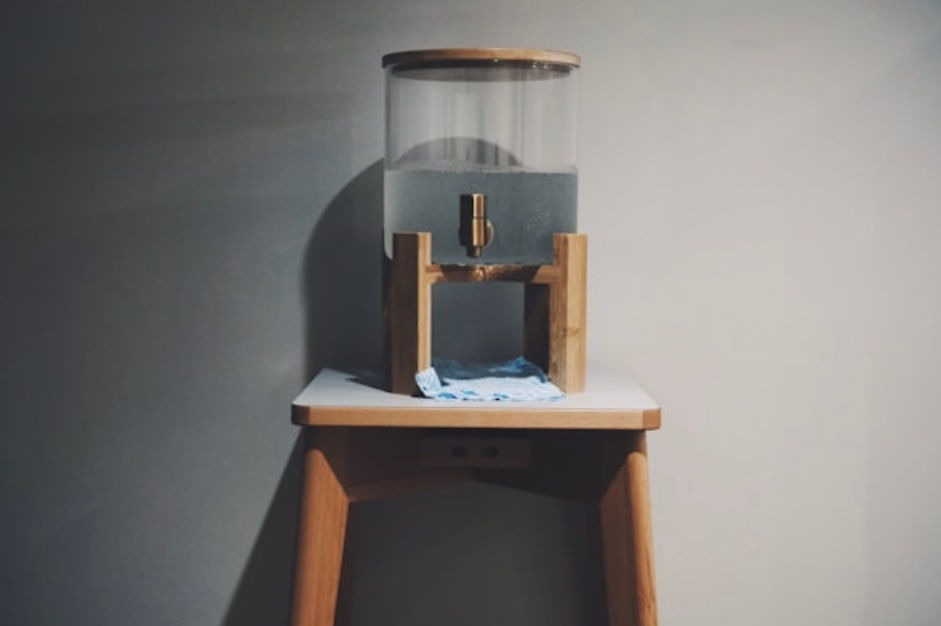
Dispenser Types Compared: Finding the Right Fit for Luxury Office Pantry Ideas
Most office installations fall into four categories. Each one has design, plumbing, and service trade-offs.
Under-Counter Tap Systems
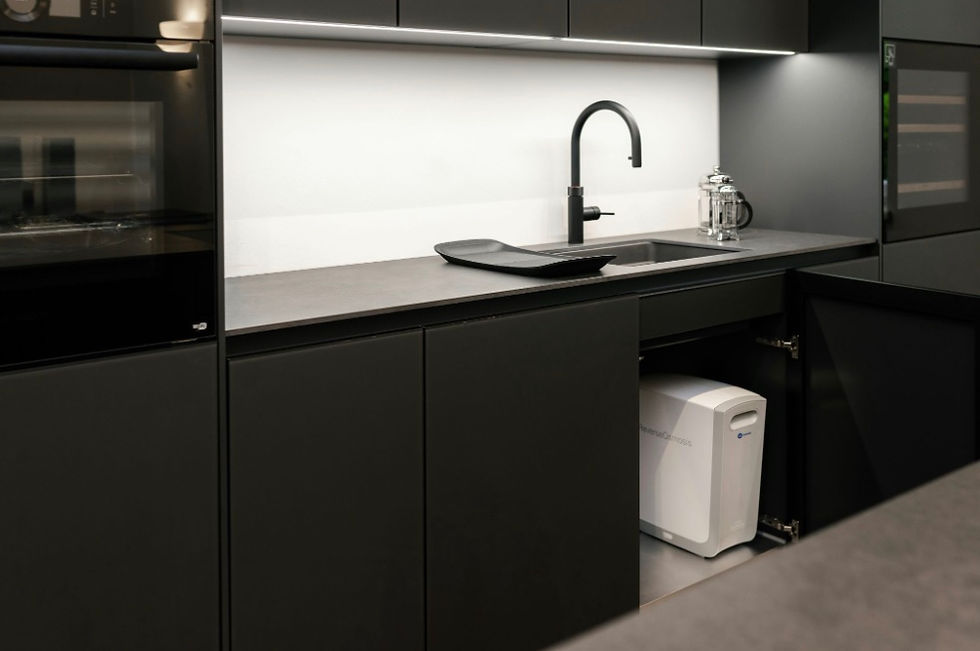
Under-counter systems are often the cleanest-looking option because only the tap or spout is visible. They keep counter space free for coffee equipment, glassware, or snacks. The trade-off is planning: the unit needs ventilation, power, potable water, drainage, and technician access. In a compact Hong Kong pantry, involve the interior designer and contractor early so the system does not conflict with cabinetry or stonework.
Freestanding Bottleless Units
Freestanding units connect to the building water line and use built-in filtration. They are usually faster to deploy than under-counter systems because they do not require custom millwork. The main design challenge is hiding the water line and power cable so the setup looks intentional.
Countertop Units
Countertop dispensers can work in micro-pantries or satellite drink stations. Check the counter load, clearance for servicing, and drip tray or drainage arrangement before installation.
Bottled Coolers
Bottled coolers are still common, but they are less suited to polished pantry designs. Stored bottles create clutter, deliveries need coordination, and bottle changes can interrupt reception or client-facing areas. For most permanent office pantries, bottleless systems are tidier and easier to manage.
When shortlisting local partners, the search term water dispenser Hong Kong can help you compare office systems, installation approaches, and filter-servicing programs available in the city.
Filtration and Taste
Bottleless dispensers typically use multi-stage filtration. A basic setup may include sediment filtration and activated carbon to reduce particulates and chlorine taste. Some models add UV sterilisation, ultrafiltration, or reverse osmosis depending on the building water conditions and the desired output.
Water taste and odour can vary between Hong Kong buildings, and sometimes between floors in the same tower. Before choosing a system, arrange an onsite tasting with shortlisted vendors so the team can assess the water in the actual pantry environment.
Temperature Modes and the Beverage Program
Chilled water is a baseline expectation in many offices. If the pantry also supports tea or instant drinks, a hot or near-boiling mode can remove the need for a separate kettle. Any hot-water option should include a two-step safety lock to reduce accidental activation in a busy pantry.
Ambient water suits people who prefer room-temperature water and can be quieter than chilled dispensing. Not every model offers it, so confirm this during specification.
Sparkling water is increasingly requested on client-facing floors. Sparkling systems require a CO₂ cylinder, so plan for safe storage, handling, and scheduled swaps. Confirm placement with building management and the service vendor before ordering.
Placement and Integration in Compact Pantries
Hong Kong pantries rarely have space to spare. Thoughtful placement can make a dispenser feel built in rather than forced into the plan.
Early custom cabinetry planning helps reserve ventilation, shutoff access, and discreet storage before finishes are locked in.
A few practical guidelines:
Leave clearance for air circulation and heat venting. Chillers and pumps generate warmth, and sealed cabinetry can shorten equipment life.
Plan the drip tray or drain path before finalising countertop materials. Persistent moisture near stone or timber veneer can cause staining or warping.
Place the dispenser away from focus-intensive work areas. Even quiet models produce some operational sound.
Keep the power outlet and water shutoff valve accessible after fit-out. Technicians need to reach them without removing cabinetry.
Dispenser selection and installation in Hong Kong high-rises may require building management approval and compliance with building-specific fit-out rules. Review the fit-out manual and confirm any requirements with building management and relevant Hong Kong authorities before ordering.
Hygiene and Touchless Experience
A premium pantry should feel clean without needing constant attention. Sensor-activated or paddle-style dispensing reduces contact with shared surfaces. Covered nozzles help prevent dust and splashback from entering the waterway. Some models also include internal UV treatment at or near the point of dispense.
For daily upkeep, wipe external surfaces at the end of the day and run a brief flush cycle after weekends if the manufacturer recommends it. Deeper sanitisation should be handled by a trained provider on a schedule based on the model and usage level.
Service and Maintenance
A dispenser only works well if it is maintained consistently. For most offices, a vendor-managed plan is the simplest approach. Look for scheduled filter replacements, periodic sanitisation, CO₂ cylinder swaps for sparkling systems, and emergency support with clear response times.
Filter and sanitisation intervals vary by model, water conditions, and usage volume. Ask the vendor for a documented schedule for your specific setup instead of relying on a generic interval.
FAQ
These common questions can help narrow the final choice.
Bottleless versus bottled: which suits a luxury pantry?
Bottleless, or point-of-use, systems connect to the building water supply and avoid bottle storage and delivery coordination. They usually create a cleaner visual result. Bottled coolers can still suit temporary spaces or pantries without a nearby water line.
Under-counter taps or freestanding units: how do I decide?
Choose under-counter if you are planning a fit-out and want the hardware hidden. Choose freestanding if the pantry is already built or you need easier relocation. In both cases, check ventilation, water access, drainage, and service clearance.
What hygiene features matter most?
Prioritise low-contact dispensing, covered nozzles, easy-to-clean surfaces, and a hot-water safety lock where relevant. Internal UV treatment can add reassurance, but it should complement regular cleaning and scheduled sanitisation, not replace them.
How does sparkling water work in an office dispenser?
Sparkling dispensers carbonate water through a connected CO₂ cylinder. The cylinder must be stored safely and swapped periodically. In a Hong Kong high-rise, confirm handling and placement rules with building management before installation.
What does a typical maintenance plan cover?
A good plan covers filter replacement, periodic internal sanitisation, CO₂ cylinder swaps if needed, and emergency support. Ask for a schedule based on your model, usage volume, and water conditions so responsibilities are clear from day one.


