
How to Design a Home That Reflects the Way You Actually Live
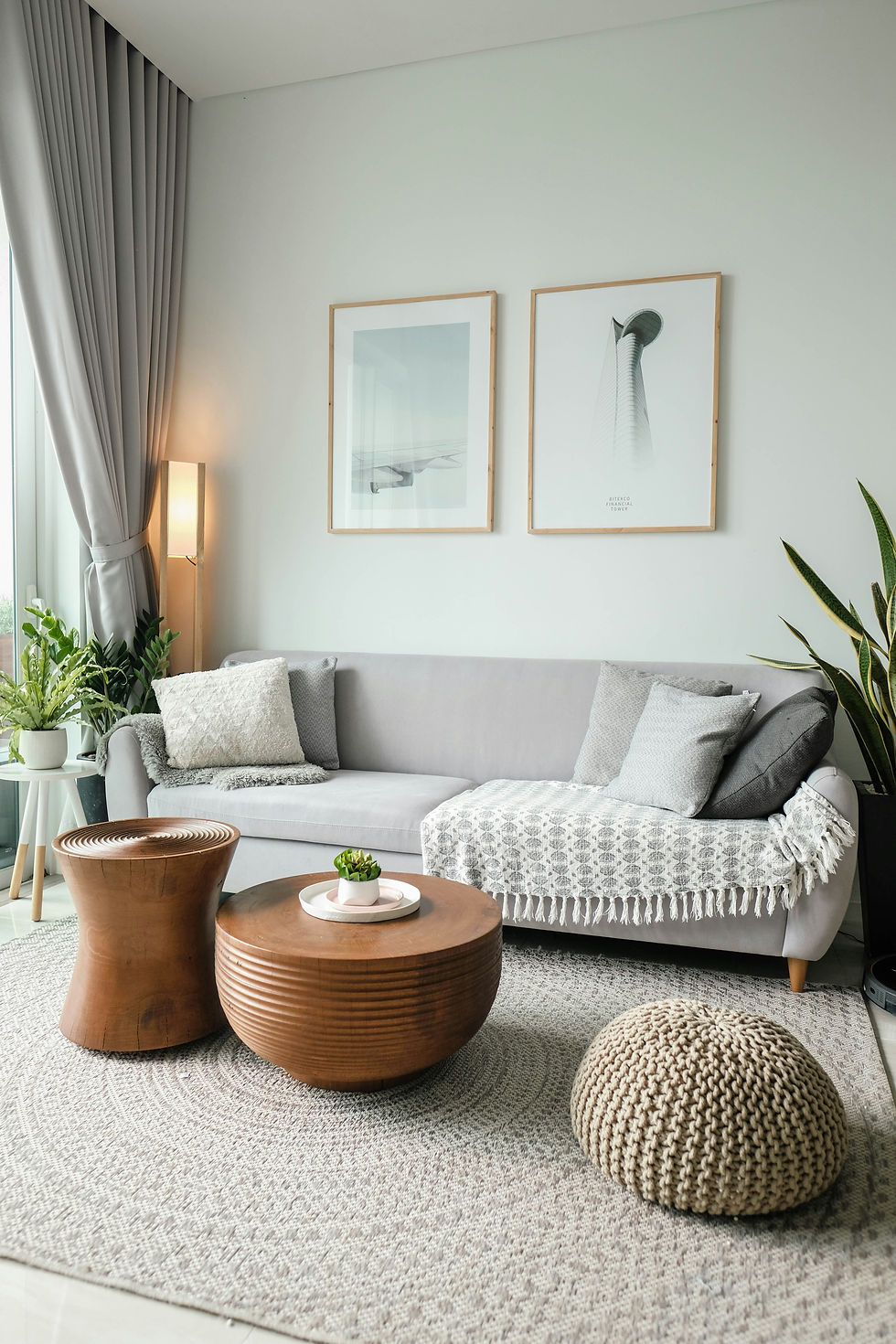
Many of us have spent time trying to make our homes look like the polished pages of a New Zealand magazine or a popular social media photo. There’s nothing inherently wrong about this. However, on many occasions, we realise we're living in a space that doesn't actually work for our daily lives. We set up formal spaces we never step foot in, buy furniture that feels too fragile to touch, and fight against our own natural habits just to keep things looking tidy.
What if, instead of trying to force your life into a specific look, you designed your home around the way you already live? You don’t have to give up on style. Rather, you simply shift your perspective so your home finally feels like a sanctuary, not a chore.
Before you buy another piece of furniture or paint a single wall, here are a few fundamental design tips that can change everything about how your space looks, feels, and functions.
1. Observe Real Home Life
A good place to start is to spend a week noticing where shoes collect, which chair receives discarded clothing, or where everyone prefers to relax. As you pay attention to how you use your home, you’ll notice patterns that will offer useful design information.
Consider friction points, in particular. Do several people compete for the bathroom? Does cooking involve crossing the kitchen repeatedly? Perhaps bags, keys, and parcels gather on the entryway bench because there’s no suitable landing place near the front door. Write down these moments because good interiors remove these small obstacles from everyday routines.
Professional guidance can be valuable here. An interior designer in Dunedin, Queenstown, or other parts of Otago can translate your routines into a coherent plan, anticipate scale and circulation issues, and help you invest where the result will have the greatest practical value.
2. Plan Storage Around Retrieval
Storage works well only if using it feels straightforward. Everyday objects should be within comfortable reach, while seasonal decorations, spare bedding, and rarely used equipment can occupy higher shelves or less accessible cupboards.
Either way, open shelves suit a family that enjoys arranging visible belongings, but these installations also require regular dusting and tidying. Closed cabinetry, in contrast, creates a quieter appearance and can be more forgiving in a busy household. A combination often provides the best balance.
3. Give Frequent Activities the Best Space
Your home’s most useful and frequently used areas should support the activities you do most often. For example, if you drink your morning coffee beside a sunny north-facing window, a lounge chair with armrests and comfortable fabric is better instead of just a stool.
Moreover, traditional labels such as “living room” and “spare bedroom” don’t always describe what happens in those spaces. Your living room might also host children’s homework, evening knitting, online exercise sessions, and weekend movie marathons. This means that your living room could include a sofa and rug for conversation, a compact desk near the window, and a small play area beside closed storage. This way, each zone has a clear purpose, but the room still feels connected.
Reassigning space can feel unconventional, particularly in an older villa with strongly defined rooms like those found in the Otago area. However, the room’s original name doesn’t have to determine its present purpose.
4. Choose Furniture for Your Body and Behaviour
Furniture needs to suit the people using it. For instance, a deep, low sofa may look inviting online but may prove uncomfortable if your knees hurt each time you sit on it. Meanwhile, a delicate pale fabric may cause constant worry in a household with young children, pets, or muddy sports gear.
Before purchasing new furniture, measure both the room and the access route. Dunedin villas and cottages, in particular, can have narrow hallways, tight corners and modest doorways, so delivery dimensions matter. For main walkways, approximately 75 to 90 centimetres of clearance is a helpful target where the room allows it.
Painter’s tape is useful for marking a prospective sofa, table, or island on the floor. Then, live with that outline for several days and check whether it restricts movement. That said, comfort should guide the final decision rather than a rigid formula.
5. Add Personality Through Meaningful Things
A personalised home develops through objects with relevance to you. That might include local artwork, ceramics collected on travels, family photographs, or books that are regularly opened. These pieces carry stories and prevent a room from feeling copied from a catalogue. But always aim for coherence rather than perfection. Your possessions don’t need to match if they share a meaningful connection to your life.
Also, resist the urge to display everything at once. When every object on a shelf is fighting for attention, nothing truly stands out, leading to visual clutter rather than intentional style. Instead, give treasured items enough visual space to be noticed; you can then rotate smaller collections occasionally, so you create a calmer, more personal, and constantly refreshed space.
6. Prototype Before Committing
Your first layout should be treated as a test. You can move existing furniture, borrow a side table from another room, or create cardboard models of proposed pieces, then check how the arrangement feels during workdays, quiet evenings, and social occasions.
Using samples is equally useful. You can view paint, fabric, and flooring choices at different times of day, as shifting natural light can alter their appearance considerably. For instance, a grey that looks crisp in morning light may feel cold on an overcast afternoon.
Enjoy a Home Shaped Around You
Designing a home that genuinely fits your life is all about creating an inviting, low-stress space that honours your everyday routines. Once you align your environment with the way you actually live, your home finally becomes the personal sanctuary it was always meant to be.


