
How To Detect And Prevent Counterfeit Versions Of Your Original Artwork?
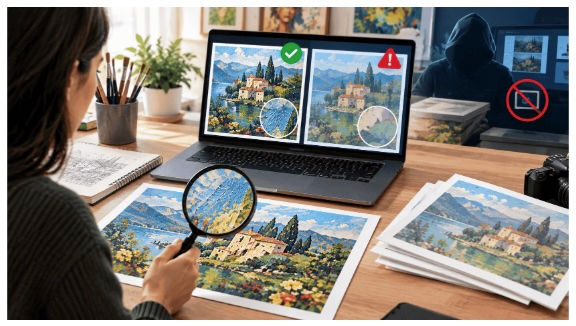
Artists don't like others to reuse their artwork. However, many times, they find their work in unauthorized places. That creates a huge problem for them.
The scammers usually earn appreciation, followers, and money from others' work. And the real creators? They often don't know about it at all.
So, how can an artist spot these uses before they spread? This article will answer the question.
Let's dive in!
How To Spot Counterfeit Versions Of Your Artwork?
A counterfeit version may look convincing to everyone, even search engines. Scammers may crop the image, change its colors, remove a signature, or add it to a new background. Ordinary web searches often miss these altered copies, especially when the person posting them uses different words.
Hence, to spot your stolen artwork, try using the visual search method. An AI reverse image search tool can help you with it. It can compare the image against pictures found across indexed websites. This approach can reveal copies that text searches overlook.
A useful visual search usually follows these steps:
Choose a Clear Image: Upload your artwork in a clear, good-resolution file.
Review Matching Results: Check for exact copies and altered versions carefully.
Open Source Pages: Visit results to verify where artwork appears.
Compare Details: Check signatures, crops, colors, and added elements.
Save Evidence: Record URLs, screenshots, dates, and suspicious listings.
How To Prevent Others From Copying Your Artwork?
Add Clear Ownership Marks
A visible copyright notice tells viewers that the creator claims rights over the work. Place your name and copyright symbol near the artwork. However, don't cover all its important details. Add the creation year when it helps establish a clear record. For online posts, include a short ownership statement in the caption or page text. These markings cannot stop every copy.
Preserve Original Files
Keep original files in their highest available quality. You should have layered project files, sketches, drafts, and dated exports. Store them in a secure location with reliable backups. These records can help establish how the work developed and when you created it.
Limit Download Quality
Sharing a smaller web copy can reduce the usefulness of an unauthorized file for printing or commercial products. Export images at a practical display size and choose a resolution that suits the platform. You can also place subtle marks across areas that a seller would struggle to remove without damaging the artwork. Avoid relying on heavy overlays that ruin your own presentation. The goal involves balancing public display with sensible limits on the quality and usefulness of downloadable copies online.
Consider Copyright Registration
Registering copyright can provide legal benefits in some countries. It can help you a lot against counterfeiters. Remember, copyright rules differ by location. So, as an artist, you should learn about the rules in your country.
Monitor Online Uses
Search for your artwork from time to time, especially after releasing a popular piece or sharing it publicly. Check unusual uses on marketplaces, social platforms, print shops, and websites that feature your work. Save links, screenshots, dates, and copies of relevant listings when you find an unauthorized use. Then, report them on all possible platforms.
Conclusion
Counterfeit artwork can appear in places that an artist never visits, so regular checks deserve a place in any protection plan. Reverse image search can help locate copies, altered versions, and unfamiliar pages that text searches may miss. Clear ownership notices, secure archives, sensible image sizes, and written licenses add further safeguards. Still, prevention cannot replace good records. Keep original files, dates, agreements, and evidence in an organized archive. If someone uses the work without permission, document the use before taking action. Those records can support a platform complaint, licensing discussion, or legal claim.


