
How to Keep a Cockroach Problem From Getting Out of Control
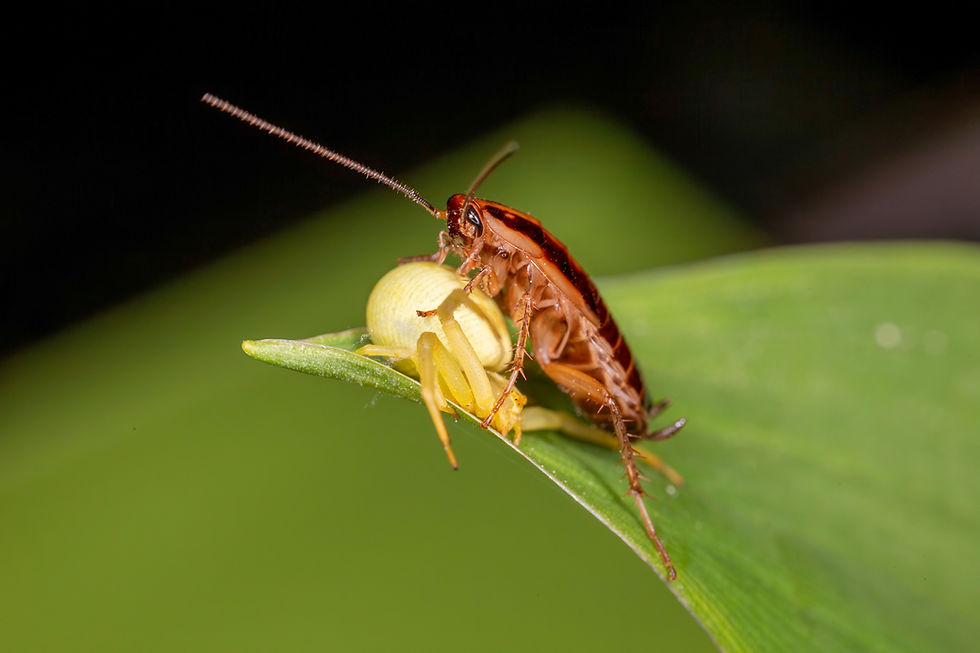
Seeing a cockroach indoors is easy to dismiss as an isolated problem, but some species can establish themselves surprisingly quickly when food, water, warmth, and hiding places are available. German cockroaches are particularly prolific: Penn State Extension reports that a female can produce four to eight egg capsules during her lifetime, with as many as 48 eggs in each capsule, and favorable conditions can allow more than 10,000 descendants to be produced within a year. That helps explain why early attention matters. Understanding what attracts cockroaches, where they hide, and which prevention strategies actually make a difference can help you deal with a small problem before it becomes much harder to control.
Start by Looking for More Than the Insect
A live cockroach may be the first thing you notice, but it shouldn't be the only thing you look for.
These pests spend much of their time hidden in cracks, cabinets, wall voids, appliance areas, and other protected spaces. Activity is often highest at night, so the number you see during the day may not reflect the actual size of the problem.
Look for small droppings around cabinets, baseboards, drawers, and food-storage areas. Egg cases, shed skins, or an unusual musty odor can also indicate ongoing activity. Pay particular attention to warm areas near refrigerators, dishwashers, plumbing, and other appliances.
Where you find evidence can tell you a lot. Repeated activity around one sink, for example, may point toward a moisture source nearby. Concentrated signs around a cabinet could indicate an easily accessible food source or hiding area.
The goal is to understand why the pests are comfortable enough to stay.
Know When Professional Help Makes Sense
Small pest problems are sometimes manageable with sanitation, exclusion, and careful monitoring. Repeated sightings, egg cases, or activity in multiple rooms can signal that the issue is more established.
For homeowners looking into German cockroach pest control, professional help can be particularly useful when hidden populations are difficult to locate, previous DIY efforts haven't worked, or the problem involves a multi-unit property where pests may move between connected spaces.
A thorough service should involve more than simply spraying visible insects. The underlying conditions—food, moisture, entry points, and hiding areas—also need attention if you want results to last.
Food Sources Are Often Smaller Than You Think
You don't need an overflowing trash can to make a home attractive to cockroaches.
Tiny amounts of food can be enough.
Grease around cooking equipment, crumbs beneath appliances, pet food left overnight, residue inside cabinets, and spills that weren't completely cleaned can all provide nourishment.
Start by focusing on places that don't receive attention during routine cleaning. Pull out movable appliances when practical, wipe around cabinet hinges, clean beneath small kitchen equipment, and check corners where crumbs collect.
Dry foods should be kept in properly sealed containers, particularly if their original packaging is easy for pests to access. Pet food should be stored securely as well, and feeding areas should be cleaned regularly.
Trash matters too, but consistency is more important than obsessively emptying a nearly empty bin. Keep containers clean, use liners, and avoid allowing food residue to build up around the lid or surrounding floor.
Good sanitation doesn't guarantee that a pest problem disappears, but it removes one of the main reasons pests remain comfortable in the first place.
Moisture Can Keep an Infestation Going
Food gets most of the attention, but water can be just as important.
A dripping pipe, damp cabinet, condensation around an appliance, or water collecting near a sink can provide enough moisture to support pest activity.
Check plumbing regularly and address leaks instead of treating them as harmless inconveniences. Look beneath sinks, around toilets, near washing equipment, and anywhere moisture regularly appears.
Ventilation also matters in areas that remain humid.
Bathrooms, laundry areas, basements, and kitchens may need better airflow or moisture control depending on the property.
Reducing water availability has another benefit: it can make baiting and other targeted control methods more effective because pests have fewer alternative resources available.
Think of sanitation and moisture management as parts of the same strategy. You are making the indoor environment less supportive rather than simply trying to kill whatever happens to walk into view.
Reduce the Places Where Pests Can Hide
Cockroaches are exceptionally good at using small spaces.
Cracks around cabinets, gaps near plumbing, spaces behind baseboards, cardboard storage, and cluttered shelves can all provide protected areas where activity is difficult to detect.
Sealing obvious gaps can reduce those hiding places and limit movement.
Pay attention to penetrations around pipes and utility lines. Small openings between cabinets and walls can also deserve attention, particularly in kitchens and bathrooms.
Clutter should be reduced where practical. Cardboard boxes and paper bags can create excellent hiding spaces, especially when they're stored undisturbed for long periods.
You don't have to make your home look empty.
The goal is simply to reduce the number of dark, protected areas that are rarely inspected or cleaned.
This also makes monitoring easier. When shelves and storage spaces are reasonably organized, new droppings or other evidence of activity become much easier to notice.
Use Pesticides Carefully Rather Than Randomly
Seeing a cockroach can produce a very understandable urge to reach for the nearest spray.
That doesn't always produce the best long-term result.
Broad or poorly targeted pesticide applications may kill insects you can see without reaching the hidden population. Some methods can also push pests into other areas, making the problem harder to monitor.
The U.S. Environmental Protection Agency recommends an integrated approach to pest control that emphasizes prevention, sanitation, exclusion, monitoring, and careful pesticide use rather than relying solely on chemical treatment.
If you use a pesticide yourself, read and follow the product label exactly. More product is not automatically more effective, and pesticides should never be applied in ways not permitted by the label.
Baits and monitoring devices can be useful parts of a broader strategy because they allow you to target activity and evaluate whether the population is changing over time.
Pay Attention to Indoor Health Concerns
Cockroaches aren't merely unpleasant to find in the kitchen.
Their droppings, saliva, and shed body parts can contribute to indoor allergens. The U.S. Environmental Protection Agency notes that proteins found in cockroach feces and saliva can cause allergic reactions or trigger asthma symptoms in some people.
That makes control particularly important in homes where someone already has asthma or allergies.
Cleaning visible contamination should be done carefully, and areas with recurring activity deserve attention rather than repeated surface cleaning alone.
Food-preparation surfaces should also be kept clean, and uncovered food should not be left where pests can access it.
Prevention Works Best as a Routine
Effective cockroach control isn't usually one dramatic cleaning session or one pesticide application.
It's a collection of small habits that make the environment less attractive over time.
Keep kitchens reasonably clean. Address moisture problems. Seal gaps when you find them. Store food properly and watch for new evidence in the places where pests are most likely to hide.
If the problem becomes persistent, widespread, or difficult to locate, professional inspection may be more efficient than cycling through DIY products without a clear strategy.
The goal isn't simply to eliminate the insect you happened to see.
It's to remove the conditions that allowed the problem to develop, monitor for new activity, and make it much harder for another population to become established.


