
How to Start a Skincare Brand: From Product Idea to Launch
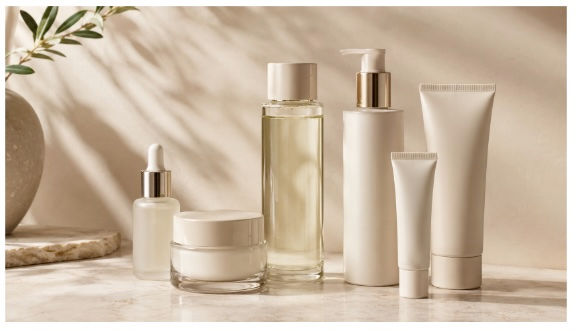
A strong skincare brand often starts with a simple idea: a product that solves a real problem and feels different enough to earn attention. Turning that idea into a viable business, however, takes more than an appealing formula. Founders need to understand their customers, choose the right products, manage costs, meet regulatory requirements, and prepare for launch.
Companies involved in product development, including TY Cosmetics Manufacturer, a science-led skincare & makeup oem/odm in China, see these decisions come together long before a product reaches the shelf. Approaching them in the right order can help brands avoid unnecessary changes later.
Start With the Customer, Not the Formula
Before thinking about ingredients, get clear on the person you want to serve. Who are they? What skin concerns do they have? What are they already buying, and where do they usually shop?
Study competing products and read customer reviews closely. Complaints about texture, price, packaging, results, or convenience can reveal gaps that existing products are not filling. Your sales channel matters too. A product designed for luxury retail may need different pricing and presentation than one sold mainly through direct-to-consumer e-commerce.
The goal is to identify one clear reason why your ideal customer would choose your product instead of an alternative. That gives the brand a stronger foundation than simply following a popular ingredient trend.
Keep Your First Product Line Focused
Many new skincare brands benefit from starting with a small, focused collection rather than launching a long list of products at once.
One to three products can be enough to test demand and understand what customers respond to. A cleanser, serum, and moisturizer, for example, can form a simple routine without creating unnecessary inventory complexity.
When selecting products, consider demand, competition, manufacturing costs, margins, and repeat-purchase potential. The products should also make sense together and support the same brand position. Starting small makes it easier to manage cash flow, gather feedback, and decide which products deserve further investment before expanding the range.
Decide How Your Products Will Be Made
Once the product direction is clear, decide how much customization the brand really needs.
Private label products typically use existing formulas and can offer a faster route to market. Semi-custom development allows selected changes to an established formula, while fully custom formulation provides greater control over ingredients, texture, performance, and positioning. Terminology can vary between manufacturers, so it is important to confirm exactly what each development option includes.
Whether a brand works with TY Cosmetics or another OEM/ODM cosmetic manufacturer, the same questions matter: What are the minimum order quantities? How long will development and production take? Can the supplier support larger volumes later? What quality systems, testing support, and regulatory experience are available?
The right manufacturing route is not automatically the most customized one. It should fit the brand’s current stage while leaving enough flexibility to grow.
Turn the Idea Into a Product You Can Actually Sell
A promising concept still has to perform well as a finished product. That means translating desired benefits into a practical formula, developing samples, and reviewing how the product feels in real use.
Texture, scent, appearance, skin feel, and dispensing experience can all influence whether customers enjoy using a product. Appropriate stability, formula-packaging compatibility, microbiological or safety testing, and finished-product quality checks may also be needed depending on the formula and target market.
Regulatory planning should begin early. Ingredient restrictions, labeling rules, permitted claims, documentation, and other requirements vary between countries and regions.
Decide where you plan to sell before finalizing the formula, claims, packaging, and labels. Handling compliance early can reduce reformulation, relabeling, and delays later in the process.
Make the Formula, Packaging and Price Tell the Same Story
The formula may be the heart of the product, but customers experience much more than what is inside the bottle.
Packaging should support the brand’s position while also protecting the formula, dispensing it correctly, and surviving shipping and everyday use. Labels and product claims should be clear, accurate, and appropriate for the markets where the product will be sold.
Pricing requires the same level of planning. Calculate manufacturing, packaging, freight, fulfillment, marketing, retailer margins, and other costs before deciding on a retail price.
It is also useful to work backward from your target selling price and margin. A premium-looking product may attract attention, but the formula, user experience, and unit economics still need to justify the price.
Launch Small, Learn, Then Scale
Production is not the end of product development. Before inventory arrives, prepare the website, product photography, social content, email campaigns, PR materials, and retailer assets needed for launch.
A controlled or soft launch can provide useful information before a brand commits to much larger volumes. Monitor sales, conversion, customer feedback, repeat-purchase behavior, returns, and common questions.
As demand becomes clearer, production partners such as TY Cosmetics can become part of the scaling process, but larger orders should still be based on actual market signals rather than assumptions.
Use early feedback to improve what already works. Strengthening a successful product is often a better next move than rushing to add more SKUs simply to make the range look larger.
Founders should also make sure the wider business is ready to grow. Depending on the market, this may include business registration, trademark checks, insurance, contracts, and clear agreements covering formulas, packaging artwork, and other intellectual property.
Conclusion
Starting a skincare brand is a series of connected business decisions. It begins with understanding a real customer need, then building a focused product range, choosing the right manufacturing approach, refining and testing the formula, and aligning packaging and pricing with the market.
A strong formula matters, but sustainable growth depends on more than formulation alone. The brands most prepared to grow are those that create products customers can understand, trust, enjoy using, and have a reason to purchase again.


