
How the Iran War is Reshaping Luxury Travel in 2026 — And Where the World's Most Discerning Travelers Are Going Instead
- Jul 15
- 2 min read
The world's most experienced travelers have always understood something that leisure tourists learn too late: when one door closes, another opens — and the destinations behind the second door are often less crowded, more authentic, and more extraordinary than the ones that just became inaccessible.
The 2026 Iran war, now in its fifth month, has closed some very significant doors. Dubai International Airport, one of the world's busiest, operated at just 53% capacity through much of the spring. Emirates suspended routes. Lufthansa, Air France, and United Airlines extended flight suspensions across Gulf destinations that had become, over the past decade, the connective tissue of ultra-luxury travel between Europe and Asia. The Strait of Hormuz — through which 20% of the world's seaborne oil trade and a significant portion of global LNG transited before February 28th — has become a contested waterway where even now, with a ceasefire collapsed and US strikes continuing, commercial shipping navigates under war-risk insurance premiums that have increased 500% from pre-conflict levels.
For ultra-high-net-worth travelers, the disruption has been real and the recalibration has been swift.
The destinations gaining from the reallocation:
The Maldives — already among the most exclusive resort destinations on earth — has seen demand from the UHNW segment surge as travelers who would have transited through Dubai or Doha now route directly or via alternative hubs. The Seychelles, always the quieter twin to the Maldives, has benefited similarly. Both destinations offer the combination of complete privacy, extraordinary natural environment, and elevated service that the Gulf's great hotels provided — without the geopolitical exposure.

In Europe, the summer of 2026 has produced a notable concentration of discretionary luxury spending in destinations that are simply far from any plausible conflict zone. The Amalfi Coast. Sardinia. The Greek islands — Mykonos and Santorini have seen unprecedented villa rental demand, while lesser-known islands like Patmos and Hydra have found themselves fully booked with travelers who discovered them specifically because they were looking for somewhere that felt genuinely remote.
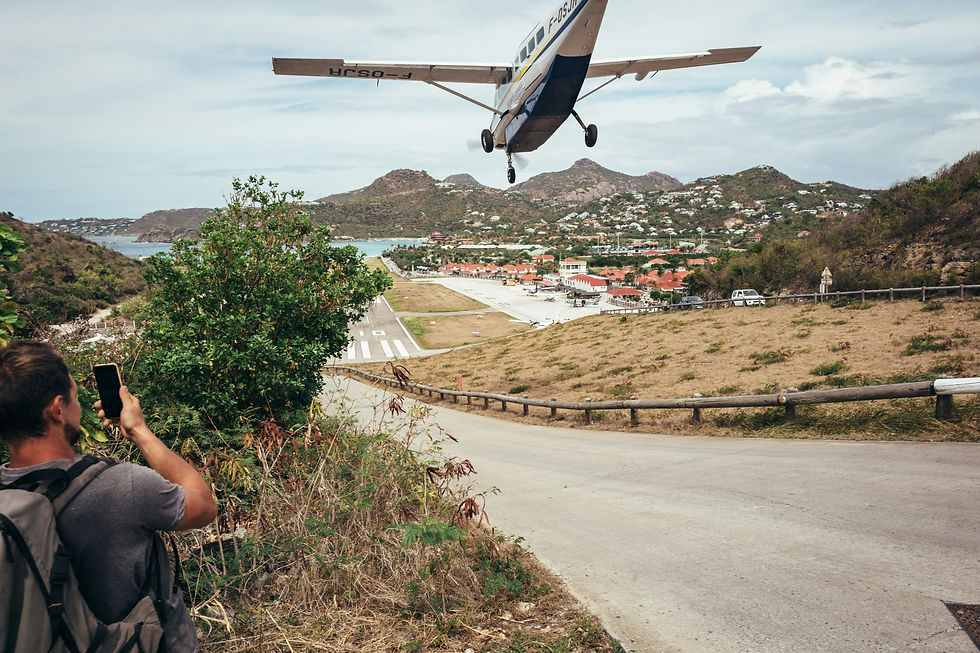
In the Americas, the Caribbean has experienced its strongest season in years. St. Barts, Mustique, Anguilla — the islands that cater specifically to the UHNW segment have been operating at or near capacity since spring, absorbing travelers who would normally have spent late spring in the Emirates or the Maldives.
The practical consideration that matters most:
For travelers whose itineraries touch the Gulf, Southeast Asia, or any destination that routes through Iranian or Gulf airspace, the honest advice is: build in flexibility, work with travel specialists who monitor NOTAMs and airspace advisories in real time, and consider whether the destination's appeal is worth the operational complexity. The world is large and extraordinary. The Gulf will reopen. In the meantime, the places where the water is equally blue and the service equally impeccable — and where your flight path does not require rerouting over contested airspace — are waiting.
Elevated's recommendation: let the geopolitical situation resolve itself, as it eventually will, and use this moment to discover the destinations that were always extraordinary and now have the additional virtue of accessibility.


