
Kilimanjaro Routes Compared: Difficulty, Scenery, Crowds and Duration
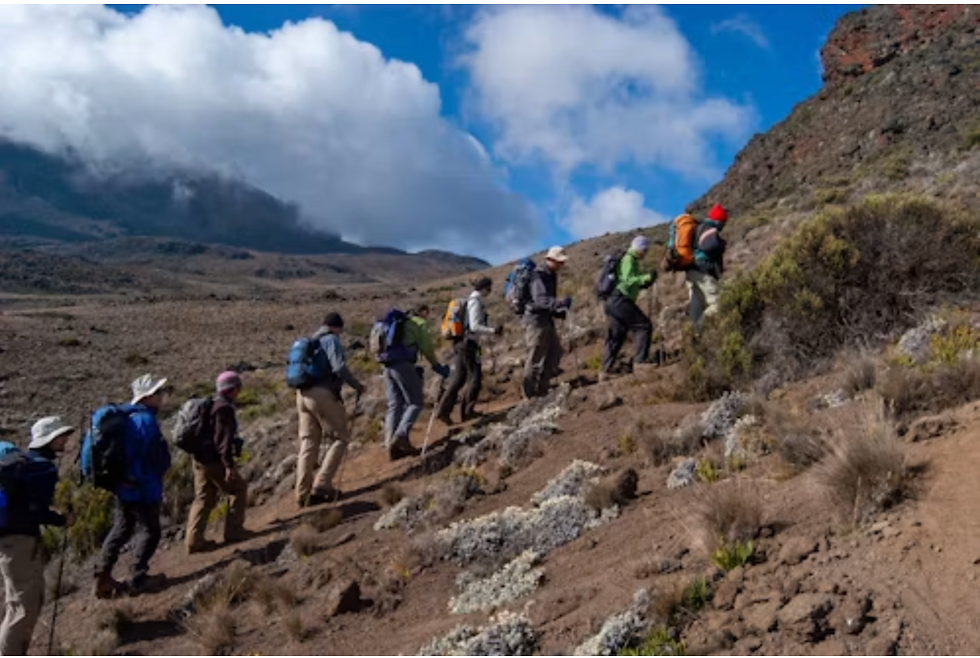
Kilimanjaro has seven officially recognized routes to the summit, and the choice between them affects nearly everything about the climb: how crowded the trail feels, how much time the body gets to adjust to altitude, what kind of scenery unfolds each day, and how physically demanding the week turns out to be. This is a route-by-route comparison to help with that decision.
Quick Comparison
Route | Approximate Length | Typical Duration | Difficulty | Scenery | Crowd Level |
Marangu | 64km | 5 to 6 days | Easier gradient, but short acclimatization | Moderate, same path up and down | High |
Machame | 49km | 6 to 7 days | Moderate to challenging | Excellent, varied terrain | High |
Lemosho | 56km | 7 to 8 days | Moderate | Excellent, most varied | Low to moderate |
Rongai | 65km | 6 to 7 days | Moderate | Good, drier northern side | Low |
Umbwe | 37km | 6 to 7 days | Difficult, steep and fast | Excellent, dramatic ridgeline | Very low |
Shira | Similar to Lemosho | 6 to 7 days | Moderate, but starts high | Good | Low |
Northern Circuit | 90km | 9 days | Moderate, but long | Excellent, most complete traverse | Very low |
Distances and route descriptions above draw on Kilimanjaro National Park's established route data; exact figures vary slightly between operators depending on which trailhead variation and campsite combination is used. Success rate ranges mentioned throughout this article are commonly cited figures from operators and route guides rather than a single official statistic. Kilimanjaro National Park does not publish a per-route breakdown itself, so different sources report somewhat different numbers for the same route.
Marangu Route
Marangu is Kilimanjaro's oldest established route and the only one that uses hut accommodation instead of tents, which is why it's sometimes called the "Coca-Cola route." The path follows the same trail up and down, gaining altitude on a gentler gradient than most other routes. That gentler profile is also the route's main drawback: the standard itinerary compresses the ascent into fewer days than routes like Lemosho or Machame, leaving less time to acclimatize. Because of this, Marangu is consistently reported to have the lowest summit success rate of any established route, and operators who run it recommend adding an extra night at Horombo Hut specifically to improve those odds. It's also one of the more heavily used routes on the mountain, so expect company at the huts and on the trail.
Machame Route
Machame is the second most popular route on Kilimanjaro and a common recommendation for climbers who want a proven, well-supported itinerary without the cost or time commitment of Lemosho or the Northern Circuit. It follows a genuine "climb high, sleep low" profile through forest, moorland, and the approach to Lava Tower before joining the southern circuit toward Barafu Camp. The terrain is more varied and physically engaging than Marangu, including the Barranco Wall scramble, and the extra time available on the seven-day version meaningfully improves summit outcomes compared to the shorter six-day option. The trade-off is traffic: Machame's popularity means shared campsites, particularly during the July to October and January to March climbing windows.
Lemosho Route
Lemosho approaches from the west near Londorossi Gate and is widely regarded as one of the most scenic routes on the mountain, crossing the Shira Plateau before joining the same southern circuit used by Machame. Its early stages see considerably less foot traffic than Machame or Marangu, since it starts on a quieter side of the mountain, though the trail does converge with busier routes from Barranco Camp onward. The seven and eight-day versions both build in a strong acclimatization profile, including the climb to Lava Tower followed by a descent to Barranco, and Lemosho is consistently reported among the highest-success routes on the mountain, particularly on the longer eight-day option.7 day Lemosho Route covers this itinerary in full detail, including the daily elevation profile.
Rongai Route
Rongai is the only route that approaches Kilimanjaro from the north, near the Kenyan border, and it's consistently described as one of the quieter, less-trafficked options. Because it sits in the mountain's drier rain shadow, it's often recommended for climbers attempting the trek during the wetter months when southern-approach routes see more rain. The terrain is generally considered less dramatic than Lemosho or Machame, without the same variety of ecological zones, but the trade-off is a genuinely peaceful trail and comfortable success rates on the seven-day version, which are consistently reported as stronger than the shorter six-day itinerary.
Umbwe Route
Umbwe is the shortest and steepest route up Kilimanjaro, climbing directly through dense forest onto a narrow ridge before joining the Machame route at Barranco Camp. It offers dramatic, close-in scenery and by far the lowest foot traffic of any established route, but the rapid elevation gain gives the body far less time to acclimatize than any other option. Reported success rates for Umbwe are consistently the lowest or second-lowest of all seven routes, and most operators recommend it only for climbers with prior high-altitude experience rather than as a first Kilimanjaro attempt.
Shira Route
Shira is closely related to Lemosho and was, in fact, the original version of that route before Lemosho's approach was developed as an improvement. The key difference is the starting point: Shira climbers are driven directly to Shira Ridge at a much higher elevation, bypassing the rainforest zone and the gradual acclimatization that Lemosho climbers get on their first day. That head start can mean some climbers feel the effects of altitude sooner. Scenery-wise, Shira shares much of Lemosho's Shira Plateau crossing, but with less time spent adjusting before reaching it.
Northern Circuit Route
The Northern Circuit is Kilimanjaro's newest and longest established route, circling around the mountain's quieter northern slopes before joining the same summit approach used by Lemosho and Machame. At nine days, it's the longest standard itinerary on the mountain, and that extra time is consistently reported to give it the highest summit success rate of any route. It also sees by far the lowest crowd levels, since the northern traverse is largely untouched by the southern-approach routes that most climbers use. The trade-offs are time and cost: nine days on the mountain is a significant commitment compared to six or seven days on Machame or Rongai.
Choosing Between Them
For climbers prioritizing summit success and willing to commit the extra days, Lemosho and the Northern Circuit are the two routes most consistently recommended across operators and route data. For a shorter, well-tested option with strong infrastructure, the seven-day Machame route remains a solid middle ground. Marangu suits climbers who prefer hut accommodation and a shorter trip, understanding that this comes with a real trade-off in acclimatization time, while Umbwe is generally reserved for experienced high-altitude climbers rather than first attempts. Rongai is worth considering specifically for its quieter trail and drier northern approach, particularly outside the main dry-season months.
The full range of Kilimanjaro treks, including duration options for each of these routes, is available on the Almighty Kilimanjaro website.


