
Layered Light and Scent: How Designers Build Atmosphere in a Living Room
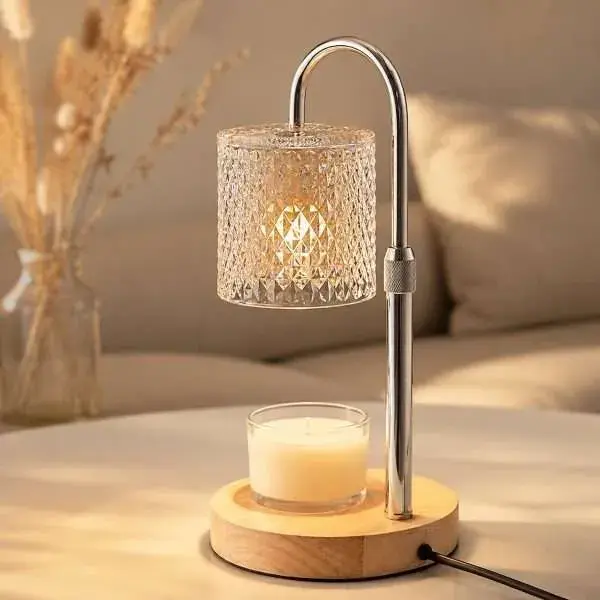
Walk into a well-designed living room in the evening and something registers before you notice a single piece of furniture. The light sits low and warm. The air carries a faint note of cedar or vanilla. Interior designers talk about "atmosphere" as if it were a material, and in practice it is built from two things most homeowners treat as afterthoughts: how the light is layered, and how the scent is layered.
Here is how professionals approach both, and how to borrow the method without a renovation budget.
Start with the three layers of light
Lighting designers rarely rely on a single ceiling fixture. They build a room in three layers, each with its own job.
Ambient light is the base layer: the general illumination that lets you move through the space. In most living rooms this is the overhead fixture, and the most common mistake is to run it at full brightness all evening. Put it on a dimmer and treat 40 to 60 percent as the default after sunset.
Task light is the second layer: the reading lamp beside the armchair, the picture light over a piece of art, the small lamp on the console. These fixtures create pools of light rather than a flat wash, and pools are what make a room feel intimate. A rule of thumb many residential lighting designers use is a minimum of four separate light sources in a living room, set at different heights.
Accent light is the third layer, and the one most often skipped. It is the low, decorative glow that has no practical purpose except mood: a lamp with a fabric or metal shade that throws light downward, an uplight behind a plant, a strip tucked under a floating shelf. Accent light is what photographs well in design magazines, and it is what makes a space feel finished at nine in the evening.
Color temperature ties the layers together. Bulbs are rated in kelvin, and the lower the number, the warmer the light. Most residential designers specify 2700K for living spaces; above 3000K the light starts to read as office lighting, and many go lower still for evening-only fixtures.
Then treat scent as a fourth layer
Fragrance is the layer you cannot see, which is exactly why it works. In a well-known 1996 study published in the Journal of Marketing, Eric Spangenberg and colleagues found that shoppers rated a store and its merchandise more favorably, and felt they had spent less time there, when a subtle ambient scent was present. Hotel groups drew the obvious conclusion long ago: Westin has diffused a single "White Tea" scent through its lobbies since 2006, and guests describe the hotel by that smell before they describe the decor.
At home the principle is the same, but the execution is usually clumsier: a single strong candle by the door, a plug-in that smells of synthetic apple, a spray that disappears in ten minutes. Designers layer scent the way they layer light. One quiet, continuous base note carries the whole room; a smaller, more distinctive accent sits near the seating area.
The base note should be woody or clean: cedar, sandalwood, fresh linen, white tea. The accent can be seasonal and a little louder: fig and amber in autumn, citrus and basil in summer. Two scents from the same family will blend. Two that fight will simply smell like a department store.
Where light and scent meet
This is the part that has changed in the last few years. Traditionally the scent layer in a living room came from a lit candle, which means an open flame on a low table, wax that pools unevenly, and a wick that needs trimming. Households with children or pets, or simply a preference for not leaving a flame unattended, have quietly moved away from that.
The replacement designers now specify is a warming lamp that doubles as an accent light. Modern electric candle warmer lamps sit above a standard jar candle and melt the wax from the top down with a warming bulb, so the fragrance is released with no flame, no smoke and no soot. The same bulb throws a small, warm pool of light onto the melted wax and the table beneath it, which means the lamp also does the job of the third lighting layer. One object covering two of the four layers is the kind of efficiency that makes a room feel considered rather than merely decorated.
A few practical notes if you go this route. Choose a lamp whose shade and finish match the hardware already in the room, brass with brass, black with black, so it reads as a lighting decision rather than a gadget. Place it where you would have placed a candle anyway: the coffee table, the console behind the sofa, the shelf beside the reading chair. And keep the candle itself in a plain glass jar; ornate vessels compete with the lamp.
A simple evening sequence
Designers often describe atmosphere as a sequence rather than a setting. Try this for one week:
At dusk, bring the overhead light down to half and switch on two lamps at seating height.
Turn on the warmer, or light the candle, so the base scent has thirty minutes to build before anyone sits down.
After dinner, switch the overhead off entirely and rely on the lamps and the warmer's glow.
Rotate the accent scent with the season, and move to lower-kelvin bulbs in winter.
Most of these steps cost nothing, and none takes more than an afternoon. The effect compounds. A living room with layered light and a quiet, consistent scent is somewhere people want to stay, and that, more than any single piece of furniture, is what the design was for.


