
Melasma and Professional Depigmentation Options
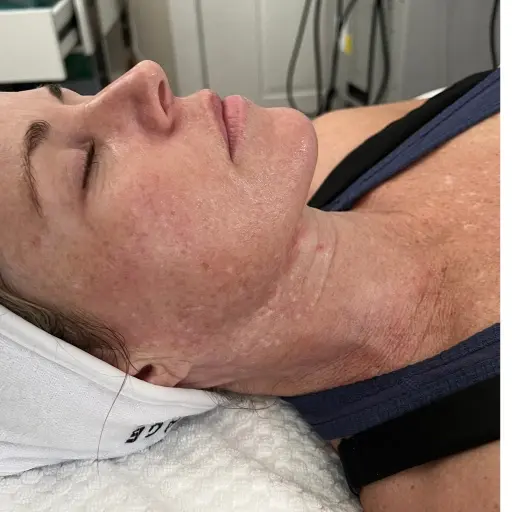
Few skin concerns test a client's patience quite like melasma. You spend months diligently applying brightening serums and avoiding midday sun, only to step outside for a single sunny afternoon patio lunch and watch those familiar symmetrical brown or grayish-brown patches bloom right back across your cheekbones, forehead, bridge of the nose, and upper lip. In the treatment room, we often call melasma the quiet chameleon of pigment disorders because it behaves very differently from ordinary sunspots or post-blemish marks, demanding a gentle, strategic approach rather than aggressive resurfacing.
Understanding the Cellular Mechanics of Melasma
Unlike discrete solar lentigines caused strictly by cumulative ultraviolet exposure, melasma is a complex, chronic hyperpigmentation disorder driven by hyperactive melanocytes. Inside the basal layer of your epidermis, specialized dendritic pigment-producing cells manufacture melanin packets called melanosomes and transfer them through tiny arms to surrounding keratinocytes. In skin prone to melasma, those melanocytes sit on a hair-trigger, reacting aggressively to ultraviolet radiation, visible blue light, hormonal shifts from pregnancy or oral contraceptives, thyroid fluctuations, and even ambient heat.
What makes melasma particularly tricky to treat is its anatomical depth within the skin. Excess pigment can reside superficially in the epidermis, where cell turnover is brisk; settle deeper in the dermis, where immune cells called macrophages ingest loose melanin; or span both layers simultaneously in mixed-type melasma. Under a diagnostic Wood's lamp or polarized skin analyzer, an experienced aesthetician can assess pigment depth and vascular involvement before selecting any active modalities.
Why Aggressive Lasers and Heat Can Backfire
When clients feel frustrated by stubborn facial patches, they often ask for the strongest laser result available. The instinct is understandable, but melasma specialists increasingly avoid high-energy, heat-generating devices as first-line therapy. Aggressive ablation can inflame melanocytes, provoke post-inflammatory hyperpigmentation, and even worsen the patch that prompted the visit. Gentle low-fluence laser toning may be appropriate for certain patients, but it requires careful parameter selection, adequate test patches, and strict sun avoidance afterward.
Similarly, overly harsh physical scrubs, microdermabrasion crystals, or prolonged hot facial steam sessions may sound invigorating, but they can dilate blood vessels, increase local temperature, and wake dormant pigment cells. For clients with melasma, the safest home-care plan pairs mild enzymatic exfoliation with barrier-supporting moisturizers. Over-the-counter brighteners containing niacinamide, azelaic acid, and licorice-root extract can also help, provided they are used consistently and layered underneath strong sun protection.
Medical-Grade Depigmentation Peels and Tyrosinase Inhibitors
Professional depigmentation protocols interrupt melanin synthesis at multiple biochemical checkpoints. Chemical peels containing mandelic, lactic, or glycolic acids loosen the bonds between pigmented keratinocytes and speed shedding of discolored surface cells. Meanwhile, tyrosinase inhibitors such as hydroquinone, kojic acid, and arbutin slow the enzyme responsible for producing new melanin. Microneedling, used conservatively, can improve penetration of these brightening actives while stimulating controlled dermal remodeling.
Tranexamic acid has become a particular star in modern pigment protocols because it calms plasmin activity and reduces the vascular component of melasma. It can be delivered topically, orally under physician supervision, or through mesotherapy microinjections. A customized Depigmentation Treatment targets stubborn epidermal and mixed pigment patches safely across a wide range of Fitzpatrick skin types, making it an excellent choice for clients who have not responded to drugstore brighteners alone.
Protecting Your Skin From Visible Light and Thermal Triggers
Even the finest clinical depigmentation series will stall if daily photoprotection falls short. Standard sunscreen helps, but melasma also reacts to visible light, especially the blue-violet wavelengths emitted by screens and bright indoor lighting. Tinted sunscreens with iron oxides block that visible spectrum while doubling as light coverage, and they pair well with wide-brim hats and sunglasses for outdoor errands. Reapplication every two hours matters because a single lapse can undo weeks of progress.
Switching to a tinted broad-spectrum mineral sunscreen formulated with non-nano zinc oxide and iron oxide can dramatically reduce relapse rates. Look for products labeled broad spectrum SPF 50 or higher, and apply a full finger-length of cream to cover the face and neck properly. At night, a vitamin C serum can add antioxidant defense and support collagen synthesis, while a peptide-rich night cream helps repair the barrier after daytime exposure. Together, these habits form the invisible armor that protects your investment in professional care.
Patience and Consistency Build Even Radiance
Treating melasma is more like a steady, well-paced marathon than an overnight sprint. Because melanocytes remember prior stimulation, pigment often returns if maintenance fades after initial clearing. Most clinicians recommend a quarterly touch-up peel or laser toning session, plus a home regimen of tyrosinase inhibitors rotated seasonally to avoid irritation. Keeping a simple photo diary can help you spot subtle improvements that daily mirror checks might miss, reinforcing motivation during the slow middle phase of treatment.
Restore Clarity Without Compromising Barrier Health
You do not have to conceal stubborn facial patches under heavy layers of corrective concealer forever. When you combine gentle exfoliation, targeted depigmentation actives, vascular-calming ingredients, and disciplined sun protection, you can gradually fade discoloration while preserving your skin's natural glow. The key is choosing a clinic that respects melasma's complexity, tailors every protocol to your Fitzpatrick type and lifestyle, and monitors your progress over time. With the right plan and realistic expectations, even the most persistent pigment can soften into a more even, luminous complexion.


