
Moving a Curated Home Requires More Than Ordinary Cardboard Boxes
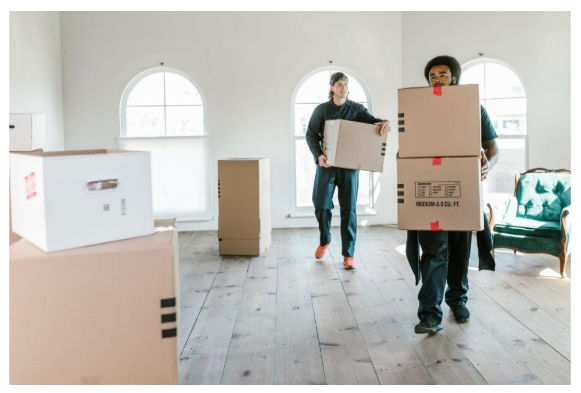
Some moves are straightforward. Others call for more planning from the start. A home may include valuable artwork, carefully chosen furniture, and objects with personal significance. Each piece can present a different challenge during packing and transport. Moving a curated home is therefore less about adding complexity. It is about making better decisions before moving day. Which items need specialist protection? Which should stay close to you? Which pieces may require custom packing? These questions become easier once you understand the risks. A clear plan can reduce avoidable damage and make delivery more organized. It can also help protect the property itself. Floors, walls, doors, and finished surfaces all deserve attention during a careful luxury relocation.
Why do valuable household items need different packing?
Not every object responds to movement in the same way. Glass may crack under pressure, while an old frame may suffer corner damage. Heavy stone furniture creates a different concern. It needs stable support and careful handling throughout the move. Antique furniture can also require extra care because joints may be weaker. Finishes may be delicate too. So, can ordinary boxes handle every item? Not always.
A simple packing supplies checklist can help organize the process. It should reflect the supplies needed for packing each type of item. Good packing should match the object itself. Weight matters, but so do shape and condition. A fragile ceramic bowl needs different support than a solid side table. Some belongings may also qualify as extraordinary-value items under federal moving rules. That can include expensive antiques or fine jewelry. Smaller valuables are often better kept with the owner. Important documents and deeply personal items can be handled the same way.
Should you create an inventory before moving a curated home?
Yes, and the process can stay simple. Start with the belongings that would be difficult to replace. Record the name of each item and its current condition. Add a short description where useful. Photos are especially helpful because they create a visual record before packing begins.
Take more than one image of important pieces. Focus on areas that already show wear or previous damage. That might include a chipped corner or a repaired joint. The goal is not to document every tiny mark. It is to create enough evidence for a fair comparison later. For interstate moves, the shipment inventory also matters. It records what is being transported and notes condition. Recent appraisals can help with higher-value pieces. Keep those records with:
receipts
ownership documents
Clear paperwork makes later questions easier to resolve.
How should artwork, photographs, and delicate pieces be protected?
Fragile objects need support that matches their construction. Framed artwork may need corner protection and firm cushioning. Large mirrors often require rigid support because flexing can create damage. Sculptures present another challenge. They may need stabilization around strong structural points rather than delicate details.
Delicate artwork benefits from protection designed around its size and construction.
Framed photographs displayed on a white wall
Custom crating can be useful when ordinary cartons are not enough. A crate is built around the dimensions of a specific object. It can provide better support for oversized artwork or unusually shaped pieces. Photographs need a different approach because their surfaces can be sensitive. Protective sleeves or folders can reduce direct contact. Tape and glue should stay away from the image surface. Clean handling also matters more than it may seem. The following can all cause problems:
dust
moisture
pressure
Small precautions often make the biggest difference with delicate materials.
Does temperature and humidity matter during a move?
Sometimes, very much. Certain materials respond poorly to sudden environmental changes. Photographs are a clear example. High humidity can soften some photographic layers. Very dry conditions may cause curling or cracking. Heat can also accelerate deterioration over time.
For many photographic materials, stable conditions are preferred. Relative humidity between 30% and 50% is commonly recommended for storage. Temperatures at or below 70°F are also widely used as guidance. However, these figures are not universal transport rules. So, does every valuable item need climate-controlled moving? No. The answer depends on the material and the journey. Key factors include:
weather
distance
temporary storage
Sensitive artwork may benefit from more controlled conditions during extreme heat or cold. The same can apply to selected antiques and photographic collections. In longer transitions, thoughtful effective storage can also help keep belongings organized between spaces.
How do you choose movers for moving a curated home?
Price is important, but it should not lead the decision. Experience matters more when a shipment includes fragile or unusual pieces. Start by understanding who will actually transport the belongings. A mover carries the shipment. A broker arranges the service but does not perform the move itself.
The written estimate should make responsibilities clear. It should show:
who handles packing
who manages custom crating
who handles loading
who manages transport
who completes delivery
If another company will complete part of the work, that should appear in writing. You may also see the term white-glove moving. This can include:
more detailed packing
careful final placement
unpacking
property protection
However, the label alone is not enough. The written scope matters more. For interstate moves, federal registration and consumer-rights documents should also be in place before the move begins.
What protection should you arrange for high-value belongings?
Careful packing reduces physical risk. Financial protection deals with what happens if damage still occurs. Those are different issues, and both deserve attention before moving day. For interstate moves, 2 main valuation options usually apply.
Physical protection and financial protection both matter for high-value belongings.
Furniture wrapped in bubble wrap for protection
Full Value Protection gives broader responsibility for lost or damaged goods. Depending on the situation, the mover may:
repair the item
replace the item
offer a financial settlement
Released Value offers much less protection because compensation is based on weight. That can be a poor fit for expensive pieces that weigh very little. Valuation is also different from separate insurance. The terms and protections are not the same. High-value belongings should appear accurately on shipping documents. Appraisals and purchase records can also help establish value. Specialty packing may increase the moving cost. However, it may still make sense for pieces that are difficult to repair or replace.
What should happen when everything reaches the new home?
Delivery deserves the same attention as packing. Check important items as they come off the truck. Compare them with:
the inventory
your pre-move photos
Look closely at surfaces and structural areas that were vulnerable before transport. Do this before packing materials are discarded.
If something looks different, document it immediately. A clear photograph can show new damage much better than a written description alone. Keep damaged packaging when it may help explain what happened. Missing items should also be recorded against the inventory. For interstate moves:
written claims generally have a 9-month filing window
movers usually have 30 days to acknowledge a claim
movers generally have 120 days to provide a decision
If unpacking or placement is part of the service, confirm that each important piece reaches the correct room before the team leaves. Careful final placement can also reduce unnecessary handling once the move is complete.
Moving a curated home with ease
Moving a curated home becomes easier when each stage has a clear purpose. Pack according to the item rather than the box. Document important pieces before they move. Use custom protection when standard packing cannot provide enough support. Consider environmental conditions for sensitive materials. Make sure moving documents explain services and financial protection clearly. Then inspect key belongings carefully on arrival. None of this needs to feel complicated. It simply adds more control to a process involving valuable possessions. That can reduce avoidable damage and make any problems easier to document. Most importantly, it helps the new home come together with fewer surprises.


