
Private Label Skincare Packaging Choices That Affect the Project
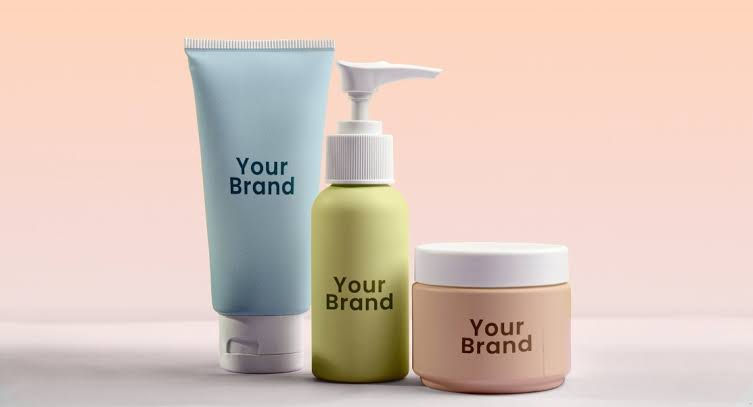
Packaging is not a final design task in a private label skincare launch. It affects formula suitability, user experience, artwork, packing configuration, freight risk, documentation, and purchase-order timing. A component that looks good in a render can still leak, dispense poorly, leave too little label space, or require an unplanned carton.
The useful question is not simply which bottle or jar looks premium. It is which format supports the formula, channel, claim set, and ordering process with the fewest avoidable compromises.
Test Formula and Primary-Pack Compatibility
Primary packaging is in direct contact with the product: bottles, jars, tubes, pumps, caps, droppers, and sachets. Material, closure, headspace, and dispensing system all affect filling, transport, and use.
Start with how the product behaves. A fluid serum may suit a dropper, treatment pump, or reducer insert. A thicker cream may work better in a tube, airless pack, or jar. Scrubs and formulas with visible particles need an opening that will not clog during normal use.
These are not universal rules. Viscosity, oils, fragrance, surfactants, actives, particle size, and expected storage conditions can all change the result. Ask the manufacturer to assess the proposed formula in the intended component rather than approving formula and packaging as separate decisions.
Compatibility should include closures and decoration. Metalized caps, soft-touch coatings, adhesive labels, colored bottles, and printed surfaces can introduce production or performance considerations. If components are sourced separately, define who supplies samples, who owns compatibility assessment, and what happens if a component changes after approval.
An early hand-filled sample can help assess texture, scent, and appearance, but it may not represent bulk filling, final closure torque, label adhesion, or the exact production component. Record the component code, material, finish, closure, dispensing part, and artwork version for every approved sample.
Container suitability is more than a visual issue. In the United States, cosmetics must not be adulterated, including through potentially harmful container materials. Good manufacturing practice considerations also extend to handling and storage of primary packaging materials.
Select Dispensing for Real Use and Transit
Dispensing affects dose control, hygiene, product loss, and perceived value. Specify it through the intended user action, such as one-drop treatment, two-pump daily application, squeeze-and-rinse cleanser, or scoopable mask.
Format | Often useful for | Resolve before approval |
Dropper bottle | Fluid serums and oils | Is dosing repeatable, and does the pipette suit the formula’s viscosity? |
Treatment or lotion pump | Serums, lotions, daily-use products | What output is delivered per actuation, and is there a transit lock or overcap? |
Airless pack | Creams and lotions needing controlled dispensing | Is the formula compatible with the mechanism, and how much product remains inaccessible? |
Tube | Cleansers, masks, creams | Is the opening large enough, and is the cap usable with wet hands? |
Jar | Balms, masks, heavier creams | Is finger access appropriate, or are an inner lid, spatula, or seal needed? |
Consider the end of the user journey as well. Can customers tell when the product is nearly finished? Is the component difficult to separate or recycle in the intended market? Those may be useful design considerations, but do not make environmental claims without support and market-specific review.
A pack that survives a photoshoot may not survive distribution. Review the unit pack, inner pack where used, master carton, pallet, handling conditions, and freight route. Confirm whether pumps are locked, capped, or sleeved; whether glass has dividers; whether jars have liners; and whether leakage or transit evaluations are included in the agreed scope.
This matters especially for formulas that may leak, separate, thicken, freeze, or experience pressure changes in transit. Request the applicable specification and agreed acceptance criteria in writing.
Plan Artwork, Copy, and Regulatory Duties Together
Direct printing, labels, sleeves, embossing, and cartons affect readability, artwork complexity, tolerances on curved surfaces, and change control. Measure usable label space rather than relying on the bottle’s overall dimensions. Tapers, shoulders, seams, pump collars, and curvature can sharply reduce readable area.
Request a technical drawing or dieline that identifies printable area, seam, bleed, safe zone, and no-print areas before final artwork begins. Reserve space for product identity, net quantity, ingredient declaration, directions or warnings where applicable, company information, and lot or other traceability conventions required for the project.
Cartons can provide more copy space, but they create another artwork file, component, packing step, and inventory item. In the United States, cosmetic labels must be truthful and not misleading. Claims suggesting a therapeutic purpose or an effect on the body’s structure or function can place a product under drug regulation. Obtain qualified regulatory advice for the product, claims, channels, and markets involved.
Keep marketing, design, operations, and regulatory review in one copy-approval workflow. Otherwise, late copy can force unreadably small type, an unplanned carton, or costly redesign.
Manufacturer support does not automatically transfer the brand’s or responsible person’s regulatory duties. In the United States, the responsible person is generally the manufacturer, packer, or distributor whose name appears on the cosmetic label. Under MoCRA, responsible-person obligations include product listing, and serious adverse events associated with U.S. cosmetic use must be reported within 15 business days. Define responsibilities contractually and document who owns each task.
Decide Whether an Outer Carton Solves a Real Need
A carton can protect a primary pack, create room for required copy, support retail presentation, and organize multi-step products. It is not automatically necessary.
Use this checklist before adding one:
Does it protect a glass bottle, pump, or fragile closure during distribution?
Does it provide legible space for information that will not fit on the primary pack?
Is it required for a retailer, distributor, gift format, or product set?
Does the design need an insert, spatula, single-dose unit, or tamper-evident opening cue?
Can it fit the finished pack, survive packing, and work with the master-carton configuration?
If the answer is no, a carton may add cost and coordination without solving a practical problem. If it is used, specify board, finish, closure style, insert needs, barcode location, pack orientation, and acceptable cosmetic tolerances before sign-off. A late carton change can require new dielines, artwork, packing instructions, barcodes, and freight estimates.
Lock Procurement Details Before the Purchase Order
A strong package can still delay a project when lead time, minimum order, color matching, decoration, or ownership is unclear. Private label projects often combine bulk formula, primary components, pumps or caps, labels, cartons, inserts, and shipper materials.
CALLA Skincare describes support with packaging selection, sample development, quality control, bulk production, and label or box design. Treat manufacturer support as a reason to ask detailed questions, not as a replacement for the brand’s approval process.
Before confirming an order, assemble one specification pack covering:
Product name, SKU, formula version, and intended sales markets.
Primary component and closure codes, materials, colors, finishes, and decoration method.
Label and carton dielines, approved artwork version, barcode ownership, and copy approver.
Fill volume, pack orientation, unit dimensions, and finished-good weight where available.
Packing configuration, pallet requirements, freight-damage responsibility, and acceptance criteria.
Required documents, sample retention, and the change-notification process.
Existing formulas can speed a launch, but packaging still needs the same discipline. Verify current component specifications, compatibility, documents, commercial terms, and policies with the supplier before ordering.
Frequently Asked Questions
Is a carton required for private label skincare products?
Not always. Use one when it addresses protection, copy space, retail presentation, or set assembly; do not add it solely to imply a more premium product.
Should I choose a pump, dropper, or airless package for a serum?
Choose after reviewing viscosity, dispensing target, compatibility, hygiene expectations, and shipping needs. Test the actual proposed component and record the approved version.
Can a manufacturer handle labeling compliance for my brand?
A manufacturer may support artwork review, document collection, or production controls, but this does not automatically remove brand or responsible-person duties. Use qualified regulatory advice for market-specific decisions and assign responsibilities in writing.
What should be locked before packaging artwork is finalized?
Lock the component, decoration method, usable label area, required copy, barcode location, net contents presentation, carton dieline if used, and approval process for later changes.


