
Professional packing techniques for fragile and antique items
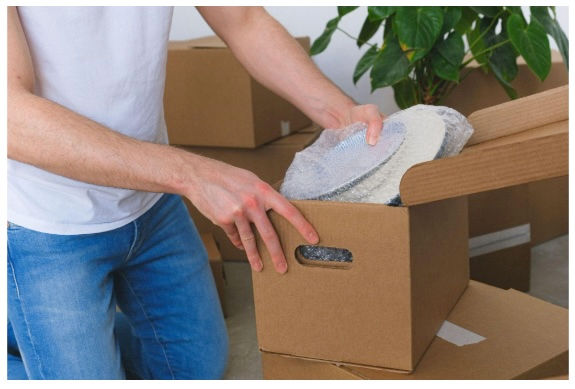
Moving day can be stressful, especially when you're responsible for transporting delicate belongings that can't simply be replaced. Whether it's your grandmother's china, a crystal vase, or an heirloom mirror, fragile and antique items require special care to survive the journey intact. Professional movers rely on proven techniques, quality materials, and a methodical approach to keep breakables safe. Below are practical tips for packing fragile items that will help you protect your valuables like an expert.
Why Fragile and Antique Items Need Special Attention
Ordinary boxes and generic packing methods often aren't enough for delicate belongings. Antiques may have structural weaknesses due to age, while fragile items like glassware and electronics can shatter or malfunction with even minor impacts. Taking the time to pack these items correctly reduces the risk of costly damage and emotional loss.
Gather the Right Packing Supplies First
Before you start wrapping anything, make sure you have the proper materials on hand. Using the correct supplies is one of the most important tips for packing fragile items, since improvised materials rarely provide adequate protection.
Sturdy, double-walled cardboard boxes in various sizes
Bubble wrap and foam sheets
Packing paper (avoid newspaper, as ink can transfer onto items)
Packing peanuts or crumpled paper for cushioning
Strong packing tape and a tape gun
Dish barrel boxes for dishes and glassware
Furniture blankets or moving pads for larger antiques
Permanent markers and "Fragile" labels
Scissors or a box cutter
Prepare Your Space and Plan Ahead
A little planning goes a long way when packing delicate items.
Clear a clean, spacious work area to avoid accidental bumps or spills
Sort items by type (glass, ceramic, wood, metal) so you can use the appropriate wrapping method for each
Take photos of antiques before packing, especially if they have existing chips, cracks, or wear—this protects you in case of insurance claims
Disassemble items where possible, such as removing legs from tables or glass shelves from cabinets
Step-by-Step: Packing Fragile Items
1. Wrap Each Item Individually
Never pack fragile items together without individual wrapping. Wrap each piece separately in packing paper first, then add a layer of bubble wrap for extra cushioning.
Wrap stemware and glasses by placing paper inside the cup before wrapping the outside
Wrap plates and bowls individually, then stack them vertically (like records) rather than flat
Use extra padding on corners, handles, and spouts, which are the most vulnerable points
2. Cushion the Box Properly
A well-cushioned box prevents items from shifting during transit.
Line the bottom of the box with at least two inches of crumpled paper or packing peanuts
Place heavier items at the bottom and lighter, more delicate items on top
Fill all gaps between items with additional padding so nothing can move
Shake the box gently before sealing—if you hear movement, add more cushioning
3. Seal and Label Boxes Clearly
Proper labeling ensures fragile boxes are handled with care throughout the move.
Seal boxes with multiple strips of tape along all seams for reinforcement
Write "FRAGILE" and "THIS SIDE UP" in bold letters on at least two sides of the box
List the general contents on the box to avoid confusion during unpacking
Keep fragile boxes separate from heavier items to prevent them from being stacked underneath
Special Considerations for Antique Furniture
Antique furniture often requires a different approach than smaller fragile items due to its size, weight, and unique construction.
Wrap wooden furniture in moving blankets to prevent scratches and dents
Use plastic stretch wrap over the blankets to keep them secure, but avoid direct contact between plastic and wood finishes, which can trap moisture
Protect glass tabletops or mirrors by wrapping them in bubble wrap and placing them in specialized mirror or picture boxes
Pad any carved details, feet, or decorative elements that could easily chip
Avoid placing heavy objects on top of antique furniture during transport
Packing Fragile Artwork and Mirrors
Artwork and mirrors are particularly susceptible to cracking or shattering if not packed correctly.
Apply painter's tape in an X pattern across glass surfaces to minimize shattering if breakage occurs
Wrap frames in bubble wrap, focusing extra padding on corners
Use flat mirror/picture boxes designed specifically for this purpose
Transport artwork vertically, never flat, to reduce pressure on the surface
Loading Fragile Boxes Safely
How you load fragile items into a moving vehicle matters just as much as how you pack them.
Place fragile boxes on top of sturdier items, never underneath heavier boxes
Secure boxes so they can't slide or tip during transport
Avoid stacking fragile boxes more than two high
Keep an inventory list so you know exactly where each fragile item is located
Final Tips for Packing Fragile Items Successfully
A few last-minute reminders can make all the difference in protecting your valuables.
Don't rush the process—fragile items require patience and attention to detail
Consider purchasing moving insurance for high-value antiques
If an item is exceptionally valuable or irreplaceable, consider hiring professional movers who specialize in fragile and antique transport
Unpack fragile boxes first at your new home, so items aren't left wrapped and forgotten for weeks
Conclusion
Packing fragile and antique items doesn't have to be overwhelming when you follow a professional approach. By using quality materials, wrapping items individually, cushioning boxes properly, and labeling everything clearly, you can significantly reduce the risk of damage during your move. These tips for packing fragile items will help ensure that your treasured belongings arrive at your new home safe, sound, and ready to be enjoyed for years to come.


