
Raleigh Water Quality: Why More Homeowners Are Taking Action
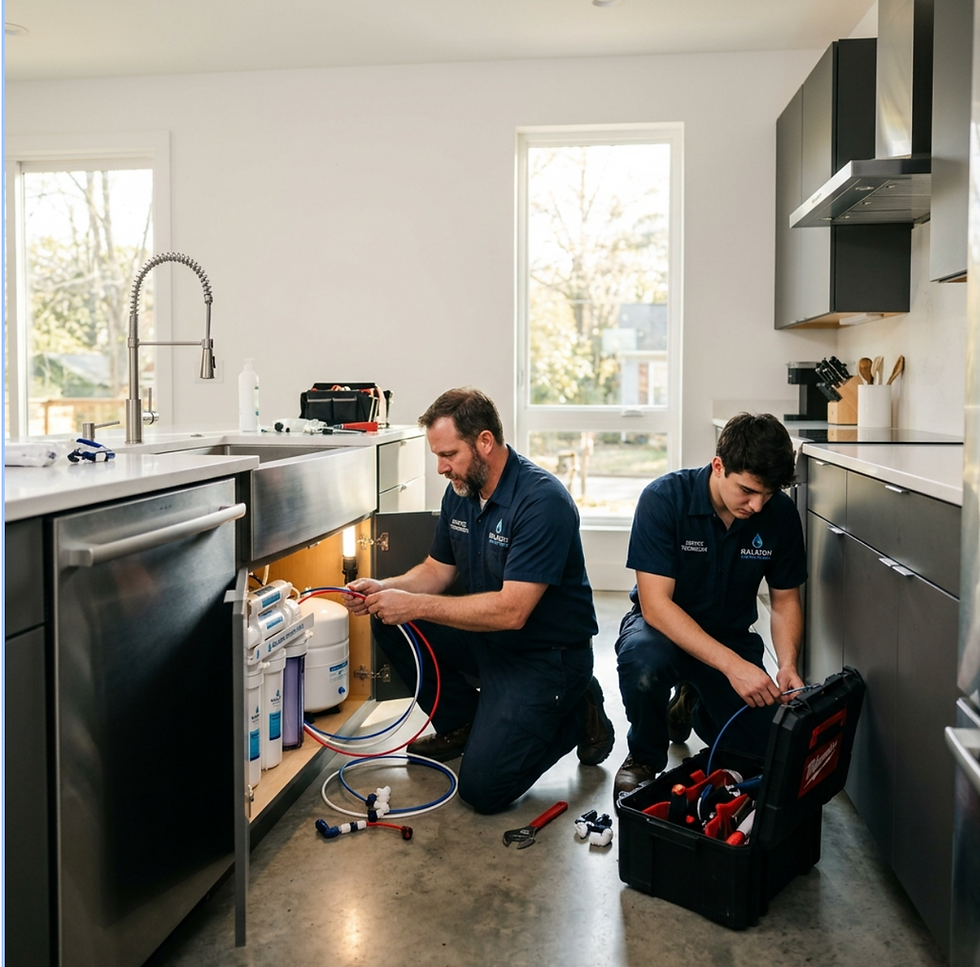
Raleigh's tap water meets federal safety standards, but "safe" and "great-tasting" aren't always the same thing. Many homeowners across the Triangle have noticed a chlorine smell, cloudy glasses, or mineral buildup on faucets and appliances. These small signs point to a bigger issue: municipal water treatment is designed for safety at scale, not for the taste and clarity you want in your own kitchen.
That gap is exactly why more Raleigh residents are turning to home water filtration. It's a small investment that pays off in better-tasting coffee, longer-lasting appliances, and one less thing to worry about when it comes to what your family drinks and bathes in every day.
This post breaks down what's actually in Raleigh's water supply, why filtration matters, and how to choose a solution that fits your home.
What's really in Raleigh's tap water?
Raleigh sources its municipal water primarily from Falls Lake and the Neuse River, treating it through a combination of filtration, chlorination, and fluoridation before it reaches your home. While the city's water utility follows EPA guidelines, treated water still travels through miles of aging pipe infrastructure before it reaches your faucet. Along the way, it can pick up trace amounts of lead, copper, and sediment, especially in older homes built before the 1980s.
Chlorine, added to kill bacteria and pathogens, is another common culprit behind unpleasant odors and flat-tasting water. It does its job protecting public health, but most people would rather not taste it in their morning glass of water.
Why hard water is a bigger deal than most homeowners realize
North Carolina sits in a region known for moderately hard water, and Raleigh is no exception. Hard water contains higher concentrations of calcium and magnesium, which don't pose health risks but create plenty of household headaches.
Over time, hard water leaves mineral deposits inside pipes, water heaters, and appliances. This buildup reduces efficiency, shortens the lifespan of your dishwasher and washing machine, and can even lower water pressure throughout your home. It also makes soap and detergent less effective, which is why some homeowners notice dull laundry, spotty dishes, or dry skin and hair after showering.
Addressing hard water isn't just about comfort. It's a practical way to protect the appliances and plumbing you've already invested in.
The case for whole-home water filtration
Under-sink pitchers and faucet attachments offer a quick fix, but they only treat a fraction of the water you use daily. Whole-home filtration systems address water quality at the point where it enters your house, meaning every tap, shower, and appliance benefits from cleaner, better-balanced water.
A few of the most common systems homeowners choose include:
Carbon filtration systems: Effective at removing chlorine, odors, and many organic compounds, improving both taste and smell.
Water softeners: Designed specifically to reduce calcium and magnesium content, protecting pipes and extending appliance life.
Reverse osmosis systems: Often installed at the kitchen sink for drinking and cooking water, removing a broad range of contaminants down to the molecular level.
UV purification: Adds an extra layer of protection against bacteria and microorganisms, particularly useful for homes on well water.
Choosing the right system depends on your home's specific water profile, which is why a professional water test is always a smart first step before making a purchase.
Signs your home could benefit from a filtration upgrade
Not sure if it's time to look into filtration? A few common indicators include:
Visible white, chalky residue on faucets, shower doors, or dishes
A noticeable chlorine smell when running the tap
Reduced water pressure over time
Frequent appliance repairs or shorter appliance lifespans
Skin or hair feeling dry after washing
If any of these sound familiar, it's worth having your water tested to understand exactly what's affecting it.
Finding the right filtration partner for your home
Choosing a filtration system isn't a one-size-fits-all decision, and getting it wrong can mean overpaying for a system that doesn't address your actual water issues. Raleigh Water Pros takes the guesswork out of the process by testing your water, explaining what the results mean, and recommending a system built around your household's specific needs and budget.
Rather than pushing a generic product, the goal is to match each home with a solution that solves its real problems, whether that's chlorine taste, hard water buildup, or contaminants unique to older plumbing. That kind of tailored approach makes a noticeable difference, both in water quality and in long-term savings on appliance repairs and replacements.
Professional installation also matters. A system installed incorrectly can underperform or fail prematurely, undermining the investment you've made in better water quality. Working with an experienced local provider ensures your system is sized correctly for your home and installed to manufacturer standards from day one.
Better water starts with one decision
Clean, great-tasting water shouldn't be a luxury. With Raleigh's mix of aging infrastructure and naturally hard water, a filtration system isn't just a nice-to-have. It's a practical upgrade that protects your health, your appliances, and your daily routine.
If you've noticed changes in your water's taste, smell, or appearance, don't wait for the problem to get worse. Start with a professional water test to understand what's actually coming out of your tap, then explore filtration options built for your specific needs.
Frequently Asked Questions
Is Raleigh's tap water safe to drink?Yes, Raleigh's municipal water meets EPA safety standards. However, safety doesn't guarantee ideal taste or mineral content, which is why many homeowners choose additional filtration for comfort and appliance protection.
How do I know if I have hard water?Common signs include chalky residue on fixtures, reduced soap lather, spotty dishes, and mineral buildup around faucets. A professional water test can confirm hardness levels precisely.
What's the difference between a water softener and a filtration system?A water softener specifically targets calcium and magnesium to reduce hardness, while filtration systems address a broader range of issues like chlorine taste, sediment, and contaminants.
How often do water filtration systems need maintenance?This varies by system type, but most carbon filters need replacement every three to twelve months, while reverse osmosis membranes typically last two to three years with regular use.


