
Steps to Take and Rights You Hold After an Elevator Accident
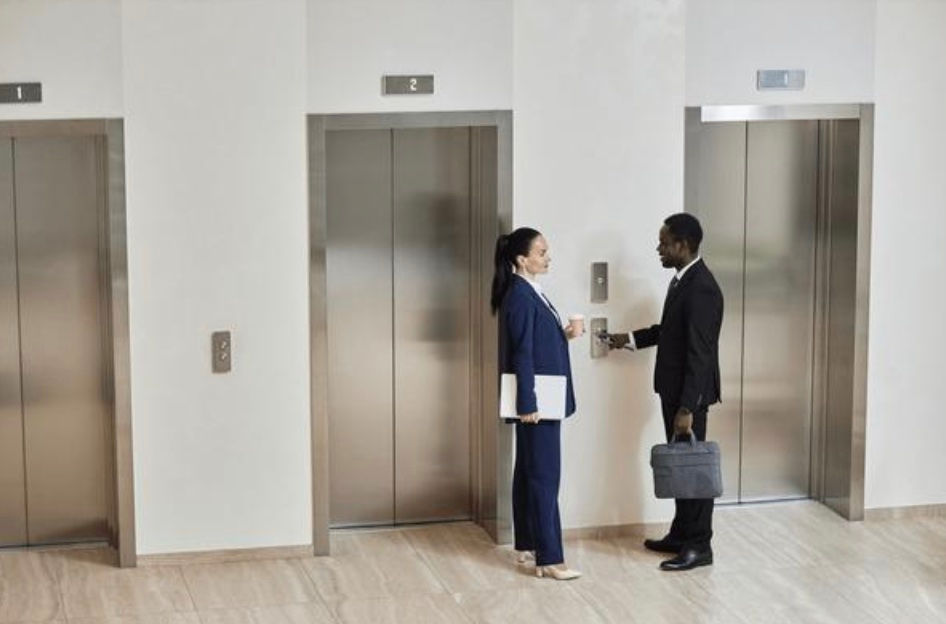
After an elevator accident, the most important steps are to ensure your safety, seek medical attention, report the incident, and understand your legal rights. Acting quickly and carefully can protect both your health and your ability to seek compensation if needed.
Many people are unsure what to do immediately after an incident. A sudden elevator accident can be frightening and confusing, especially in crowded buildings or unfamiliar places. Knowing the right steps ahead of time can make a big difference in how you handle the situation and recover from it.
Step 1: Ensure Immediate Safety
First and foremost, focus on your safety and the safety of others around you.
If you are inside the elevator:
Stay calm and avoid forcing the doors open.
Use the emergency button or alarm system.
Wait for trained personnel to assist you.
If you are injured:
Try not to move unless necessary.
Call for help immediately.
Taking these precautions reduces the risk of further injury.
Step 2: Seek Medical Attention
Next, it is important to get medical help, even if your injuries seem minor.
Why this matters:
Some injuries may not show symptoms right away.
Medical records serve as important evidence later.
Make sure to:
Visit a doctor or hospital as soon as possible.
Follow all recommended treatments..
Keep records of your diagnosis and expenses.
This step not only protects your health but also strengthens your case if legal action is needed.
Step 3: Report the Incident
After addressing immediate health concerns, report the accident to the proper authorities.
You should:
Inform building management or property owners.
File an official incident report.
Request a copy for your records.
In addition:
If the accident is serious, authorities may investigate.
Documentation helps establish what happened.
This creates an official record that can be used later.
Step 4: Gather Evidence
Once the situation is stable, start collecting information about the accident.
Important evidence includes:
Photos of the elevator and surroundings
Contact information of witnesses
Details about the time and location
If possible:
Note any unusual sounds or movements
Record how the elevator behaved before the incident
This information can help prove liability.
Step 5: Understand Your Legal Rights
After an elevator accident, you may have the right to compensation depending on the cause.
Possible responsible parties include:
Building owners
Maintenance companies
Equipment manufacturers
You may be entitled to compensation for:
Medical bills
Lost wages
Pain and suffering
Understanding your rights helps you make informed decisions about your next steps.
Step 6: Consult a Legal Professional
To better understand your options, consider speaking with a lawyer who handles personal injury cases.
A legal expert can:
Evaluate your case
Identify who is responsible
Guide you through the claims process
This step is especially important if:
Injuries are serious.
Liability is unclear
Insurance companies are involved
Getting professional advice can improve your chances of a fair outcome.
Step 7: Follow Up and Stay Organized
Finally, keep track of everything related to the accident.
This includes:
Medical records
Bills and receipts
Communication with insurance or legal teams
Staying organized helps:
Avoid confusion
Support your claim
Ensure nothing is overlooked
Consistency and documentation are key during recovery.
Key Takeaways
Ensure safety first and avoid further injury.
Seek medical attention even for minor symptoms.
Report the accident and keep a copy of the report.
Collect evidence such as photos and witness details.
You may have the right to compensation depending on fault.
Legal guidance can help protect your rights.
Keep all records organized for future reference.
In conclusion, knowing the steps to take and the rights you hold after an elevator accident can make a stressful situation more manageable. By acting quickly, documenting everything, and understanding your legal options, you can protect both your health and your future.


