
Strategic Interior Upgrades That Maintain the Resale Value of Your SUV
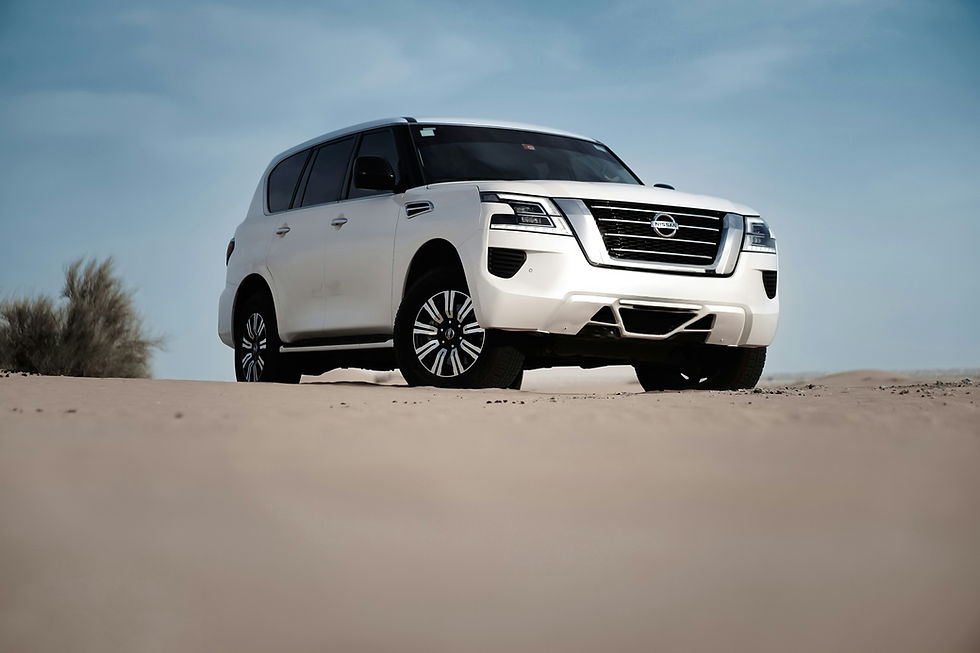
When purchasing a new family vehicle, most buyers focus primarily on performance, safety ratings, and fuel economy. However, proactive owners also consider long-term financial retention and depreciation rates. According to a 2025 market depreciation analysis, new cars in Australia typically lose 10 to 15 percent of their initial value in the very first year, and that figure can climb up to 50 percent by year three. While exterior care is frequently discussed in automotive circles, dealership valuers and second-hand buyers consistently use a vehicle's interior condition as a primary indicator to judge the overall mechanical care of a used car. Preserving your cabin is therefore a crucial financial strategy, especially for high-volume family SUVs.
Essential Protection for High-Value Family SUVs
Japanese-market vehicles consistently rank at the top of Australian retained-value indices when they are properly maintained. For example, the highly popular Nissan X-Trail celebrated its 23rd consecutive year on the local market in 2025. With recent permanent price adjustments making it even more competitive against its rivals, preserving its high resale value through aftermarket protection is incredibly relevant for newer buyers. Taking preventative steps early ensures that your car remains an attractive proposition on the used market.
Cancer Council Australia explicitly recommends using window covers or specialised films on the side and rear windows of vehicles to substantially reduce the transmission of solar UV radiation. Investing in high-quality, custom-fit Nissan car shades is one of the most practical and effective ways to block incoming rays before they can cause permanent damage. Unlike generic alternatives, these custom options fit the exact dimensions of the window frame. This ensures maximum coverage, eliminates annoying sun glare for passengers, and provides a sleek appearance that will eventually appeal to future second-hand buyers. Protecting the interior trim from day one pays off substantially when trade-in time arrives.
The Hidden Cost of Ultraviolet Radiation
The average Australian driver travels between 15,000 and 20,000 kilometres annually. This extensive amount of time spent on the road compounds daily physical wear and exposes unprotected interior trims to extreme environmental conditions. Australian summer UV indices regularly exceed 10 (which is classified as extreme) and can peak at 14 or higher. In stark contrast, typical European summer peaks only reach between 6 and 8.
Prolonged exposure to this intense solar ultraviolet radiation causes photodegradation. This invisible process actively breaks down the polymer chains found in dashboard plastics, vinyl door panels, and leather upholstery, inevitably leading to brittleness and micro-cracking. While standard automobile glass effectively blocks most UVB rays, it allows a significant percentage of UVA radiation to pass directly into the cabin. Used car valuation assessments in cities with harsh climates, such as Perth and Brisbane, frequently cite prolonged sun exposure on steering wheels, window seals, and roof linings as a leading cause of premature vehicle devaluation. Replacing these faded components is often prohibitively expensive.
Heat Accumulation and Material Degradation
Beyond structural breakdown, the sheer heat trapped inside a closed vehicle accelerates wear and poses significant safety risks. The greenhouse effect inside a parked SUV creates an extreme environment that attacks adhesives and delicate electronics. Modern vehicles are packed with sensitive touchscreens and sensors that can malfunction under extreme thermal stress. Furthermore, the National Highway Traffic Safety Administration offers stark warnings about this rapid temperature rise, noting that a child's body temperature rises three to five times faster than an adult's, and tragically, in 2025 alone, 31 children died of heatstroke in vehicles.
In early 2026, mycar Tyre & Auto launched "The Sunburnt Car" initiative at Sydney's Circular Quay to visually demonstrate this severe impact. The installation featured a vehicle interior upholstered with synthetic human skin designed by a prosthetic studio. When exposed to daily sunlight through unprotected windows, the synthetic material physically blistered and burned. Despite these clear risks, a 2026 national survey revealed that 72 percent of Australians admit they overlook sun protection while travelling inside a car.
Long-Term Benefits of Strategic Upgrades
Protecting your SUV interior requires a holistic approach. Implementing targeted upgrades yields immediate comfort and long-term financial dividends. Consider the following advantages of installing premium window protection:
Prevention of Material Fading: Blocking UVA rays stops the photodegradation process, keeping seat fabrics and leather looking brand new.
Reduced Cabin Temperatures: Deflecting solar energy lowers the ambient temperature inside the vehicle, reducing the strain on your air conditioning system and improving fuel efficiency.
Enhanced Privacy and Security: Darkened window profiles keep valuables out of sight, adding a layer of security when parked in public areas.
Improved Resale Appeal: A pristine, crack-free dashboard and spotless seats signal to potential buyers that the vehicle has been meticulously cared for inside and out.
Maintaining the resale value of your SUV does not require thousands of dollars in mechanical modifications. By understanding the severe impact of local environmental conditions and investing in strategic interior barriers, you can enjoy a comfortable daily commute while protecting your automotive investment for years to come. Whether you plan to keep your vehicle for three years or ten, preserving its interior is an undeniably smart financial move.


