
Style Without the Renovation: Making a Rental Feel Like Home
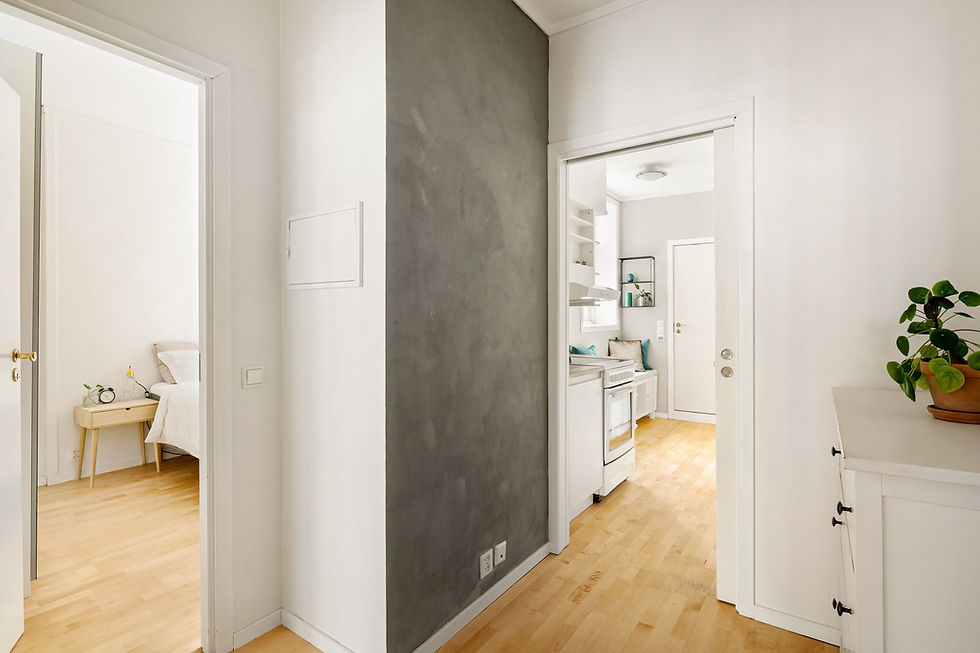
A rental may come with someone else’s flooring, paint, and lighting, but it does not have to feel like someone else’s home. Instead of treating every limitation as a design problem, focus on changes that improve comfort, function, and personality without creating trouble when it is time to move. Furniture, lighting, storage, textiles, and reversible upgrades can completely change the atmosphere while keeping the lease in mind. The goal is not to disguise the fact that you rent. It is to create a space that supports your routines and feels recognizably yours.
Know the Boundaries Before You Start Decorating
The smartest rental makeover begins with paperwork rather than paint samples. Read the lease before drilling, painting, replacing fixtures, or attaching anything that could damage a surface. A harmless-looking upgrade may still require permission.
When something is unclear, ask in writing, especially for electrical fixtures, plumbing changes, wall mounting, or painting. Keep any approval and save the original parts you remove.
If you are still in the application stage, it also helps to understand how landlords assess prospective tenants. Nomadic Real Estate lists 40-plus reference questions that may arise during renter screening, showing why reliability and respect for a property matter before decorating even begins.
Knowing the boundaries lets you focus on changes you can actually enjoy.
Let Furniture Do the Heavy Design Work
Furniture is one of the easiest ways to give a rental personality because it belongs to you rather than the property.
Start with proportion. A beautiful sofa that blocks half the walkway is not a design win. Measure walls, doors, and circulation space before buying large pieces. Furniture that fits properly makes a room feel calmer and more intentional.
If the rental has plain walls and neutral floors, add texture through wood, upholstery, metal, woven materials, or curved shapes. One distinctive chair or table can do more for a room than several small decorative purchases.
It also pays to choose versatile furniture that can move with you. Modular seating, nesting tables, and movable storage are easier to reuse when your next home has a different layout.
Change the Mood With Better Lighting
Lighting can alter how a home feels almost immediately. One overhead fixture may illuminate a room, but it rarely creates much warmth.
Build layers instead. A floor lamp can brighten a dark corner, a table lamp can soften a bedroom, and a plug-in sconce can define a reading area. Multiple light sources also help separate different zones in an open room, which is particularly useful when one space has to handle relaxing, dining, and working.
Warmer bulbs generally create a softer atmosphere in living areas and bedrooms, while brighter task lighting works well where you cook or work.
If you replace a fixture with permission, keep the original labeled and stored safely. Otherwise, portable lighting delivers plenty of visual impact without becoming a move-out project.
Use Temporary Upgrades Selectively
Removable wallpaper, peel-and-stick tiles, window film, and adhesive hooks have made rental decorating much more flexible. Still, “removable” should not mean “risk-free.”
Test adhesives on an inconspicuous area first. Paint condition, wall texture, humidity, and installation can affect what happens during removal.
Restraint usually creates a stronger result. Instead of covering every available surface, choose one area where the change will matter. A wall behind a bed, a small backsplash, or a cabinet interior may provide enough contrast.
There are many renter-friendly decorating ideas that avoid major construction, from removable wall details to portable lighting. Use them as inspiration, then choose only what suits your lease and space.
Make Storage Feel Like Part of the Design
Storage should reduce clutter without making the room look like a storage facility.
Pieces that perform two jobs are especially useful. A bench can provide seating and hold baskets. An ottoman can hide blankets. A bed with drawers may eliminate the need for another cabinet. Closed storage handles everyday mess, while open shelving is better for objects you enjoy seeing.
Use height too. Tall bookcases and narrow shelving add capacity without taking much floor area.
Before buying another organizer, edit what you own. Better storage helps, but fewer unnecessary belongings can make an even bigger difference.
Use Textiles and Art to Build a Visual Identity
When you cannot change the flooring or wall color, redirect attention toward elements you control.
Rugs can cover unattractive floors while defining different areas. Curtains soften basic windows, while bedding, cushions, and throws introduce color and texture without permanent work.
Artwork has a similar effect. One large piece can create a stronger focal point than many unrelated small items. If wall restrictions are strict, consider leaning framed pieces on furniture or using approved removable hanging methods.
Choose a loose palette instead of making everything match. Repeating a few colors or materials creates connection while still allowing each room to have character.
Design Around Your Actual Routine
A stylish room can still be frustrating if it ignores the way you live.
Notice where everyday problems appear. If shoes collect beside the door, the entry needs storage. If your dining table is permanently covered with a laptop, you may need a better work zone. If counters are crowded, decorative accessories probably should not take up more space.
Design works best when it removes small annoyances. Give frequently used objects logical homes, keep circulation paths clear, and make important activities easy. A beautiful room becomes much more satisfying when you do not have to rearrange it every time you want to use it.
A rental does not need to look perfect. It needs to work when normal life is happening.
Spend Where the Improvement Will Follow You
Not every rental upgrade deserves your money. Prioritize changes you will notice often or can take with you later.
Good lighting, adaptable furniture, curtains, rugs, mirrors, artwork, and portable storage can continue working in future homes. A highly specific temporary feature may offer less long-term value.
Keep original hardware and fixtures whenever you replace something with permission. Store them in a labeled box so restoring the property does not become a last-minute search.
A lease may define what you can permanently change, but it does not define how personal your home can feel. Work with the limits rather than fighting them. When your furniture fits, your lighting feels warm, your storage supports your routines, and your favorite details appear throughout the space, a rental stops feeling like a temporary backdrop. It starts feeling like home.


