
The Enduring Legacy and Flavours of Brick Lane London Curry Houses
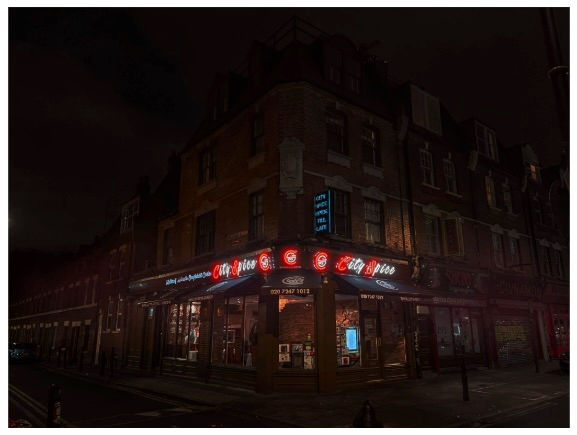
Few thoroughfares in the United Kingdom carry the sensory energy and culinary renown of Brick Lane. Stretching from Whitechapel toward Shoreditch, this East End corridor remains one of London's most celebrated gastronomic destinations. For generations, the aroma of toasted cumin, garlic, and simmered spices has spilled onto the pavement, establishing brick lane london curry houses as an essential cultural institution in the capital.
Dining here is an encounter with diaspora history, East End resilience, and the evolution of the British Indian Restaurant tradition. While surrounding streets have transformed into a design and tech hub, the Lane's dining rooms continue to attract residents, commuters, and international visitors drawn to its vibrant, communal atmosphere.
From Dockland Lascars to Banglatown: A Rich Culinary Heritage
The subcontinental presence in East London began centuries before the first dining rooms opened. During the eighteenth and nineteenth centuries, the British East India Company employed thousands of sailors known as Lascars, predominantly from Sylhet. These mariners arrived at the London Docks and established boarding houses and communal kitchens across Spitalfields and Whitechapel.
Following the Second World War and the independence of Bangladesh in 1971, migration grew as Sylheti families settled around Brick Lane, working in local textile trades. Modest cafés opened to serve home-style meals, gradually adapting in the 1970s and 1980s to cater to wider British tastes with the hearty gravies of the British Indian Restaurant (BIR) style.
The 1980s and 1990s cemented the reputation of brick lane london curry houses, turning an industrial East End corridor into a bustling dining strip celebrated for generous portions and warm hospitality. In 1997, the area was formally designated Banglatown, decorated with ornate street arches and dual-language Bengali signage.
The Anatomy of the Brick Lane Dining Experience
Visiting the Lane on any evening offers an encounter shaped by distinctive local traditions and street-level energy.
Pavement Promoters and Menu Culture
Walking along the southern stretch of Brick Lane, visitors encounter pavement promoters, known locally as touts. Standing outside dining rooms with laminated menus, they greet passers-by with offers of discounts, complimentary poppadoms, or free starters. While this street theatre is part of the Lane's character, experienced diners know that the most consistent kitchens rarely rely on high-pressure pitches. Inspecting the dining room and assessing the crowd inside remains the best approach.
The Cherished BYOB Tradition
A defining element of visiting brick lane london curry houses remains the cherished bring-your-own-bottle (BYOB) custom, which keeps dining affordable and communal. Because obtaining full alcohol licences was historically costly for independent family businesses, many dining rooms encouraged guests to pick up their own beers, ciders, or wine from neighbourhood off-licences. This tradition keeps an evening out remarkably good value, fostering an unpretentious atmosphere rarely found in central London dining districts.
Decoding the Menu: British Indian Favourites vs. Sylheti Cooking
Understanding Brick Lane requires appreciating two distinct styles of cooking: classic British Indian Restaurant favourites and authentic Bangladeshi regional dishes.
British Indian cooking developed around a versatile vegetable base gravy that allows chefs to produce complex curries quickly under high heat. Classic staples include:
Chicken Tikka Masala: Smoky, tandoor-charred chicken pieces simmered in a mildly spiced, creamy tomato sauce scented with fenugreek.
Lamb Rogan Josh: Tender lamb braised with browned onions, Kashmiri paprika, and warming spices.
King Prawn Dhansak: A balanced sweet, sour, and spicy curry cooked with lentils and fresh lemon juice.
Chicken Madras and Vindaloo: Fiery, chilli-heavy curries spiked with cumin, coriander, and vinegar for diners who relish intense heat.
Alongside these favourites, discerning diners seek out authentic Sylheti specialities rooted in river fish, wild citrus, and fragrant herbs:
Shatkora Curries: A thick-skinned wild citrus fruit native to Sylhet that infuses slow-cooked beef or mutton with a tangy, bitter aroma.
Macher Jhol: Freshwater fish gently simmered in a light broth scented with mustard oil, green chillies, and nigella seeds.
Tarka Dal and Shak Bhaji: Spiced lentils tempered with browned garlic and cumin, paired with fresh, dry-fried seasonal greens.
How to Identify the Best Dining Spots on the Lane
Deciding on the best indian restaurant in brick lane comes down to personal taste, whether you crave fiery British classics or delicate Sylheti fish curries. Spotting genuine quality along the busy strip requires noting several telltale signs:
A Focused Menu: Kitchens concentrating on thirty to forty dishes routinely outperform venues offering sprawling multi-page menus.
Fresh Tandoor Cooking: Prioritise dining rooms where naans are slapped fresh against clay oven walls and skewers sizzle over charcoal.
A Loyal Local Clientele: Rooms filled with British Asian families and regulars reliably signal authentic spicing and fresh ingredients.
Visible Regional Specials: Menus highlighting specific Sylheti curries reflect genuine culinary pride.
Rather than relying on aggressive street hawkers, discerning diners seeking the best indian restaurant in brick lane should focus on establishments with focused menus, visible tandoor ovens, and a steady stream of local regulars.
The Broader Canvas of East End Hospitality
Amid the wider landscape of brick lane restaurants london offers, the subcontinental dining strip stands out as a living monument to immigration, community resilience, and culinary adaptation. Yet the dining corridor is part of a larger, multifaceted neighbourhood. It neighbours historic Jewish bagel shops, artisan coffee roasters, vintage markets, and street-food stalls within the Old Truman Brewery complex.
When exploring the variety of brick lane restaurants london visitors often find that reserving ahead on Friday and Saturday evenings ensures a relaxed table away from the pavement rush.
Modern Subcontinental Dining: The Shoreditch Connection
A short stroll north from Banglatown's archways, the quest for the best indian food shoreditch has to offer introduces diners to regional innovations and café culture. Shoreditch has emerged as a thriving hub for contemporary South Asian dining, presenting a distinct counterpart to the traditional Lane.
Diners seeking the best indian restaurant in shoreditch will discover venues serving charcoal-roasted chops, coastal seafood, and craft cocktails alongside curated spice blends. Here, the emphasis falls on small sharing plates and stylish retro interiors inspired by subcontinental railway cafés.
Food enthusiasts eager to experience the best indian food shoreditch can provide will notice a marked contrast between heritage BIR comfort food and modern wood-fired grills. Whether an established dining room on the Lane or an innovative venue near the High Street qualifies as the best indian restaurant in shoreditch borders, both styles enrich East London's culinary landscape.
Practical Tips for Planning Your Visit
To ensure a seamless dining experience in Banglatown, keep these practical tips in mind:
Transport Links: Access the southern end via Aldgate East (District and Hammersmith & City lines) or the northern end via Shoreditch High Street Overground. Liverpool Street Station is an easy ten-minute walk away.
Best Times to Visit: Weekday evenings between 6:00 pm and 7:30 pm offer a relaxed, attentive service. Weekend nights are livelier, capturing the East End's vibrant buzz.
BYOB Guidance: If your venue operates a BYOB policy, pick up drinks beforehand from nearby off-licences. Check whether corkage applies and tip staff for table service.
Exploring the Area: Pair dinner with an afternoon stroll past street murals on Hanbury Street or browse the stalls at Old Spitalfields Market.
Preserving an Indispensable London Tradition
Today, as East London's dining culture continues to modernise, brick lane london curry houses are balancing beloved tradition with contemporary culinary expectations. While shifting economic conditions present real challenges for independent restaurateurs, the neighbourhood maintains its deep culinary soul.
These dining rooms are living community institutions that narrate the story of modern multicultural Britain one comforting dish at a time. Whether you visit for a slow-cooked shatkora curry, a sizzling mixed grill, or the simple joy of sharing fresh naan with friends, an evening on the Lane remains an essential London ritual.


