
The Front End Wall Kit: Converting Open Shelters into Secure Storage
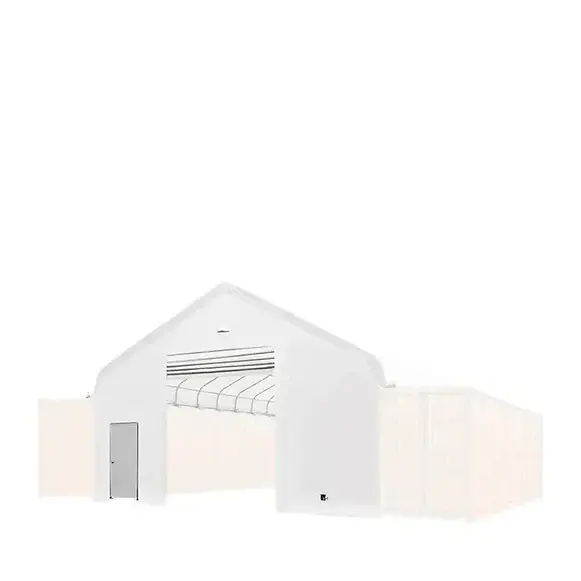
In industrial and logistics environments, fabric‑covered shelters provide flexible, cost‑effective protection for equipment, vehicles, and materials. However, many shelters are designed with one or both ends open, leaving contents exposed to wind, rain, and debris. The Front End Wall Kit addresses this limitation by transforming an open‑ended shelter into a fully enclosed space. This article explores the technical and operational aspects of front end wall kits, emphasizing their role in improving security, weather protection, and overall facility efficiency for warehouse managers and equipment operators.
What Is a Front End Wall Kit and How Is It Used?
A front end wall kit typically includes a steel frame, heavy‑duty fabric panels, and necessary hardware to close off one end of a shelter. It is designed to fit specific shelter models—such as the ST3040C—ensuring a seamless integration. Common industrial applications include:
Converting vehicle storage shelters into enclosed garages for added security.
Creating weathertight workshops or maintenance bays within existing shelters.
Protecting sensitive inventory from dust, snow, and UV exposure.
Establishing temporary warehousing with controlled access.
Adding privacy or visual barriers in shared yard spaces.
Improving Asset Protection and Operational Continuity
By enclosing the front of a shelter, operators can store items that require dry, clean conditions—such as electrical equipment, packaged goods, or machinery awaiting maintenance. This reduces losses due to weather damage and minimizes cleaning time. From a safety standpoint, a closed end prevents unauthorized access and deters theft. Productivity improves because workers can perform tasks inside the shelter regardless of weather, reducing downtime and allowing year‑round use of the space.
Design and Compatibility Considerations

The Front End Wall Kit is engineered to match the dimensions and attachment points of the host shelter. Key technical features include:
Frame construction: Galvanized steel tubing with corrosion‑resistant coating.
Cover material: Heavy‑duty polyethylene or PVC fabric with UV stabilization and flame retardancy (meeting industry standards).
Installation: Typically bolted or clamped to the existing shelter frame; some kits include zippered doors or roll‑up panels for access.
Compatibility: Specifically designed for models like the 9.6‑foot wide ST3040C shelter, but similar kits exist for other sizes.
Wind and snow load: The wall kit must be rated for local environmental conditions; additional bracing may be required in high‑wind areas.
Environmental and Installation Factors
The performance of a front end wall kit depends on proper installation and site conditions. Factors to consider include:
Ground anchoring: The shelter and wall must be securely anchored to resist wind uplift.
Sealing: Gaps around the wall edges should be minimized to prevent drafts and pest entry.
Ventilation: If the enclosed space will house vehicles or equipment that emit fumes, passive or active vents must be included.
Material longevity: Fabric covers degrade over time under intense sun; regular inspection and replacement schedules are recommended.
Safe Installation and Daily Use
To ensure safe operation of an enclosed shelter, the following practices should be observed:
Follow manufacturer instructions for assembly; use appropriate personal protective equipment during installation.
Inspect all connections and tensioning straps monthly, especially after storms.
If the wall includes a door, ensure it opens outward for emergency egress and is not obstructed.
Keep the area around the shelter clear of flammable materials; fabric covers can burn if exposed to open flame.
Provide adequate lighting inside if the space is used for night work, and use ground‑fault protected outlets for any electrical equipment.
Train personnel on the proper operation of doors and on emergency evacuation routes.
Accessories and Complementary Components
Front end wall kits can be enhanced with various accessories to increase functionality. Common options include:
Roll‑up or sliding doors for vehicle access.
Windows or translucent panels for natural light.
Ventilation louvers or exhaust fans.
Locking mechanisms for security.
Interior shelving or hanging racks.
Insulated liners for temperature‑sensitive storage.
Pros and Cons of Adding a Front End Wall Kit

Advantages — Cost‑effective way to convert an open shelter into a fully enclosed space without constructing a permanent building. Quick to install and removable if needs change. Enhances security and weather protection. Allows flexible use of existing assets.
Limitations — Not as durable as a rigid wall; fabric may tear or degrade over time. The enclosed space may still experience temperature extremes without insulation. Some kits may reduce access width, requiring careful maneuvering of large vehicles. Additional permits may be needed in some jurisdictions if the structure is considered a permanent building.
Case Example: Equipment Dealer in Texas Enhances Winter Storage
A heavy equipment dealership in northern Texas used a large fabric shelter to store rental machinery during off‑season months. The open end allowed wind‑blown dust and rain to reach the equipment, leading to corrosion and increased maintenance. The company installed a front end wall kit on the prevailing wind side. The enclosure significantly reduced dust accumulation and kept the interior drier. Mechanics could perform light maintenance inside the shelter even during rainy weather. The dealer estimated a 20% reduction in equipment preparation costs before rentals.
Conclusion and Outlook for Shelter Enclosure Systems
Front end wall kits offer a practical solution for upgrading industrial shelters to meet changing operational needs. As industries seek more agile and sustainable facilities, the ability to modify temporary structures quickly will become increasingly valuable. Future developments may include integrated solar panels on wall panels, smart sensors for environmental monitoring, and modular designs that allow easy expansion. For logistics and procurement professionals, understanding the capabilities of such add‑ons ensures that shelter investments remain adaptable and cost‑effective over time.


