
The Growing Popularity of Structured Fashion in Casual Wear
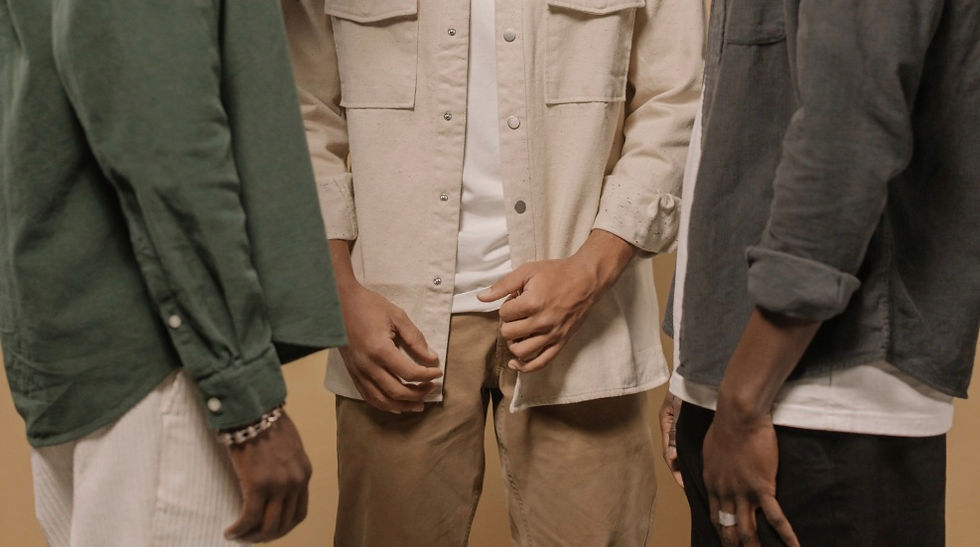
Getting dressed today is no longer just about looking polished or feeling comfortable; it’s about finding the right balance between the two. As everyday lifestyles become more flexible, people are gravitating toward clothing that feels effortless while still appearing refined and put together. Fashion choices are becoming more intentional, practical, and adaptable to different parts of daily life.
This shift has helped structured fashion become a major influence in everyday style. Tailored blazers, clean silhouettes, and versatile separates are now being styled casually for work, travel, and daily wear. Structured fashion is no longer limited to formal occasions; it has become a practical and stylish approach to building modern wardrobes that combine ease, confidence, and versatility.
How Structured Casual Wear Became a Real Movement
This isn't a runway moment that evaporated after Fashion Week. It's a genuine behavioral shift, happening in real closets, on real people, on real Tuesday mornings.
Who's Actually Behind It
Gen Z and Millennials are the loudest voices here, but working professionals across age groups are moving in the same direction. They want clothing that communicates seriousness without telegraphing "I have a 9 a.m. board meeting." Street style culture on social media accelerated all of this considerably, seeing celebrities run errands in crisp blazers and tailored trousers quietly reshaped what "dressed down" even means anymore.
For women specifically, that sweet spot has a clear expression. Luna Fashion House blazers have become a go-to for exactly this reason: European-inspired construction, shapes that hold their integrity all day, and nothing that pinches, stiffens, or makes you clock-watch until you can change.
The Data Isn't Subtle
The shift toward casual and structured everyday wear has accelerated significantly in recent years. More consumers are moving away from overly formal fashion and embracing clothing that combines comfort, versatility, and polished design. This rapid growth reflects a major change in how people approach modern dressing, with structured casual wear becoming a defining part of everyday wardrobes.
What Actually Makes Clothing "Structured"
The word gets thrown around loosely. Here's what it genuinely means in practice.
Silhouette First, Everything Else Second
Defined shoulders, shaped seams, cinched waists, precise hems, these are the design decisions that separate structured pieces from their shapeless counterparts. Blazers, sculpted skirts, tailored trousers. Garments that maintain their form, whether you're in a meeting chair or sprinting through a grocery store parking lot. Structure doesn't discriminate by body type, either. It creates visual intention where there otherwise wouldn't be any.
Fabrics That Pull Their Weight
The quality of structured fashion depends heavily on the fabrics behind it. Double knits, stretch suiting, technical fabrics, and rigid denim help garments maintain their shape while still allowing comfort and flexibility throughout the day. These materials create the polished look people want without sacrificing ease of movement or everyday wearability.
Color choices also play an important role in a structured fashion. Neutral and monochrome palettes continue to dominate, often paired with details like oversized lapels and architectural stitching that add depth and sophistication without feeling overwhelming.
Making Structured Pieces Work in Daily Life
Understanding what structured clothing is gets you halfway. Actually integrating it into your routine, that's where the practical payoff lives.
The Video Call Problem, Solved
One sharp blazer over a relaxed tee. That's genuinely it. Professional on camera, comfortable the moment you close the laptop. The caveat: it has to be a piece that actually holds its shape. Not something that looks great at 9 a.m. and quietly surrenders by noon.
Street Style That Doesn't Try Too Hard
Tailored blazer plus straight-leg jeans. Or, if you're feeling adventurous, joggers. The structured top carries the visual weight; the casual bottom keeps you from looking like you accidentally dressed for a presentation. That contrast is the whole point, and it works because one element is doing the anchoring.
Layering Across Every Season
A structured jacket over a slip dress in October. The same jacket over a linen shirt in July. Structured pieces are genuinely season-fluid in a way that trend-chasing items never are. That versatility alone justifies the investment several times over.
The Deeper Reason Structured Fashion Resonates Right Now
There's something psychological worth naming here. Well-constructed clothing changes how you carry yourself. Not in an abstract, motivational-poster way, in a practical, posture-and-presence way that people around you actually notice. Structure signals intention. That matters.
From a practical standpoint, structured pieces are also among the most defensible purchases in a wardrobe. They don't expire with a season. They wear well, hold their shape, and sidestep the exhausting churn of trend cycles, which aligns naturally with sustainability values that more consumers are taking seriously.
One Good Blazer Changes Everything
Structured fashion has become more than just a style preference; it reflects the way modern consumers want to dress today. People are increasingly looking for clothing that combines comfort, versatility, and a polished appearance without feeling overly formal.
As a result, structured pieces like blazers, tailored trousers, and refined layering essentials are becoming everyday wardrobe staples.
What makes this shift so lasting is its practicality. Structured clothing transitions easily between work, casual outings, travel, and social settings while maintaining a clean and confident look. With timeless silhouettes, durable fabrics, and effortless styling potential, structured fashion continues to redefine how modern wardrobes are built and worn.
Frequently Asked Questions
What does "structured fashion" actually mean?
Garments built with tailored silhouettes, defined seams, and intentional shaping. Construction is the operative word; these pieces are engineered to hold form, not just drape.
Does it work across different body types?
Yes. Structure creates proportion and definition, which tends to flatter a wide range of frames. Silhouette selection matters, but the category is genuinely inclusive.
Is structured clothing comfortable for full-day wear?
Absolutely, when the fabrication is right. Stretch suiting and technical materials have made modern structured clothing highly wearable without compromising shape.


