
The Hidden Engineering Below Deck: How Superyachts Make Fresh Water, Clean Fuel and Hot Showers at Sea
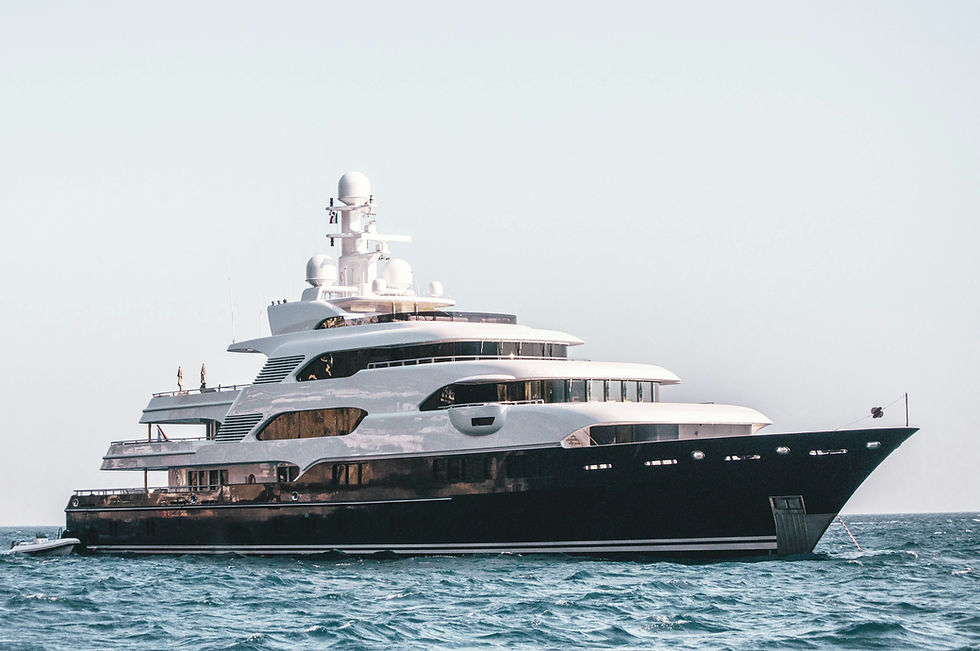
What happens when a 200-foot superyacht is anchored off a remote atoll, three days from the nearest marina, and the guests want long showers, a full spa and ice that never runs out? The answer lives below deck in equipment most guests never see, much of it built and tested on land by a modular process skid manufacturer before it is ever lowered into the hull. A superyacht, it turns out, is a small floating utility company, and the way that utility is built says a lot about how comfortable the voyage will be.
A floating town with no town water
On land, a luxury estate plugs into the water main, the sewer and the power grid. At sea, a yacht has to make or manage all of it on board. For a large yacht with a dozen guests and twice as many crew, that means:
• Fresh water for showers, laundry, the galley, the pool and washing down the decks every morning.
• Clean fuel for the main engines and the generators that run day and night.
• Hot water on demand in every cabin.
• Wastewater treatment so that grey and black water can be handled responsibly, especially in protected cruising grounds.
Each of these is a small process plant. And on a modern superyacht, each one is increasingly delivered as a skid: a compact steel frame carrying the pumps, filters, tanks, valves, sensors and controls for one system, assembled and tested as a single unit.
Turning the ocean into drinking water
Most superyachts make their own fresh water with reverse osmosis watermakers. Seawater is filtered, then pushed at very high pressure, often around 800 to 1,000 psi, through membranes so fine that salt can't pass. Those membranes sit inside long cylindrical housings built to hold that pressure safely, day after day. Only a fraction of the seawater comes out as fresh water. The rest, now saltier, goes back over the side.
A few details that experienced captains know well:
• Watermakers usually stay off in harbors. Marina water can carry oil, fuel residue and sediment that quickly ruin membranes, so crews prefer to make water offshore in clean, open sea.
• Big yachts make a lot of water. The largest yachts can produce many thousands of gallons a day, enough to keep a pool topped up and every guest shower running hot.
• Water tastes better with a final touch. Reverse osmosis water is so pure it can taste flat, so many systems add minerals back and finish with UV sterilization before the water reaches the cabins.
Clean fuel, quiet engines
Diesel stored for weeks in a tank picks up water and sediment, and in warm climates, microbes can grow at the boundary between fuel and water. Sailors call it "diesel bug", and it can clog filters at exactly the wrong moment.
To prevent that, larger yachts run fuel treatment systems that continuously filter the fuel and, on bigger vessels, spin it through centrifugal separators that throw out water and dirt. These systems run quietly in the background, but they are a big part of why a well-run yacht's engines and generators rarely miss a beat.
Hot water and responsible wastewater
Hot water on board usually comes from calorifiers, insulated pressurized tanks heated by engine coolant while underway and by electricity at anchor. They are the reason a guest can step into a hot shower at 2 a.m. without anyone noticing the engineering involved.
Wastewater gets more attention every year. International rules under the MARPOL convention govern how sewage can be handled at sea, and many cruising areas set even stricter local limits. Newer yachts increasingly carry advanced treatment plants that clean wastewater to a high standard before discharge, so owners can stay longer in sensitive waters without leaving a mark.
Why the industry builds these systems on skids
Engine rooms on even the largest yachts are tight, hot and crowded. Building a complex water or fuel system piece by piece inside one is slow and difficult. Building it as a module on land solves several problems at once:
Precision. Welding, piping and wiring are done in a controlled workshop, then pressure tested and run before installation.
Shorter time in the shipyard. The skid is built while the hull is under construction or while the yacht is still cruising, so less time is spent in the yard.
Easier refits. When a system reaches the end of its life, a well-designed module can be swapped out rather than rebuilt in place.
Comfort. Skids are often mounted on resilient, anti-vibration mounts, so pump noise and vibration don't travel into the guest areas.
The approach comes straight from heavy industry. Manufacturers such as Sharp Eagle build modular systems for offshore platforms and floating production vessels, where space is scarce and failure is not an option, and the same thinking applies on a luxury yacht.
What makes marine equipment different
Building for the sea adds its own demands:
Corrosion. Salt air and seawater attack ordinary steel, so marine systems rely on stainless and specialist alloys, careful coatings and sealed electrical panels.
Motion. Equipment has to keep working while the yacht rolls and pitches, which affects everything from tank design to how pipes are supported.
Classification rules. Large yachts are built to the standards of classification societies such as Lloyd's Register, ABS, DNV or RINA, which review the design and testing of critical systems.
Access. A module that can't fit through the engine room hatch is useless. Designers often plan the route into the hull before the frame is even drawn.
The parts nobody mentions in the brochure
Even the best-built system needs a good crew. Watermaker membranes need flushing and eventual replacement, fuel filters need changing, and spare parts are hard to find at a remote anchorage. Every module adds weight, and on a yacht, weight affects stability, speed and fuel use. The finest equipment on board is only as good as the maintenance plan behind it.
Frequently Asked Questions
How much fresh water can a superyacht make?
It depends on the size of the yacht and its watermakers. Large superyachts can make many thousands of gallons a day, while smaller yachts make far less and carry more water in their tanks.
Is water made on board safe to drink?
Yes, when the system is properly maintained. Reverse osmosis removes salt and most contaminants, and most systems add UV sterilization and minerals before the water reaches the taps.
Why don't yachts make water in the marina?
Harbor water often contains oil, fuel and sediment that can damage the membranes. Crews usually wait until they are in clean, open water.
What is a skid on a yacht?
A skid is a steel frame that carries a complete system, such as a watermaker or fuel treatment unit, with its pumps, filters, valves and controls already connected and tested, ready to be installed as one piece.
The bottom line
The view from the sundeck is what guests remember. But every hot shower, every glass of water and every quiet night at anchor depends on engineering that has to work flawlessly in a salty, moving, cramped space far from help. More and more of that engineering now arrives aboard as finished, factory-tested modules, and that is a big part of why life at sea can feel effortless.


