
The Quiet Luxury of Natural Materials: Why Stone, Wood and Plaster Outlast Trends
Walk into a 1920s home built with quarried stone, hand-applied plaster, and oak floors. Now walk into a 2010 home built with thin-set tile, painted drywall, and engineered laminate. The difference is not aesthetic preference. It is the difference between materials that age and materials that date.
The first home has texture, weight, and visible craft. The second has finish, surface, and a faint sense of compromise the longer you stay in it. The first has appreciated steadily over a century. The second is fighting the slow drift of every interior trend that has come and gone since it was built.
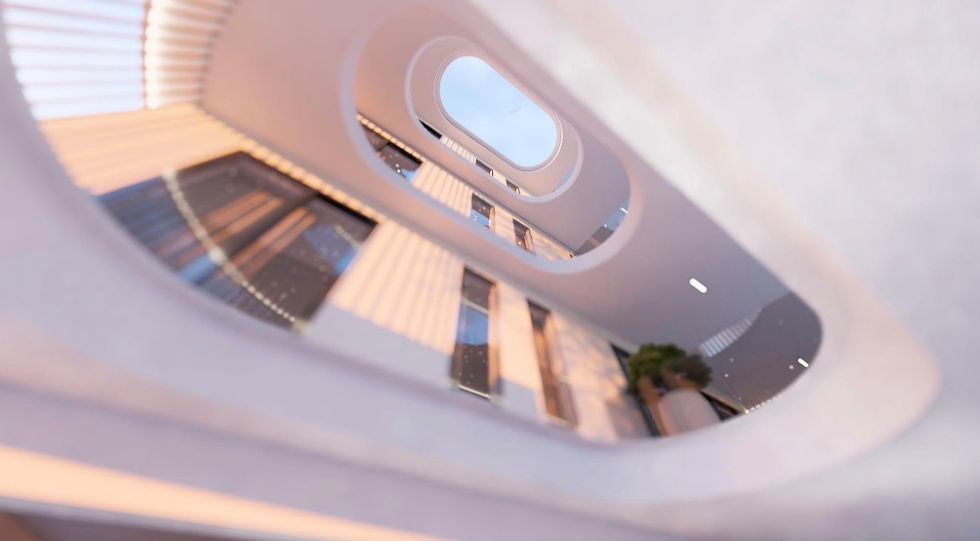
Why natural materials win the long game
Natural materials hold up against synthetic and composite alternatives for reasons that compound across years of ownership.
They age into character rather than away from it. Stone develops a patina across decades. Solid wood darkens and deepens. Lime plaster softens at its edges. Brass develops a layer that no finish coat can replicate. The home gets more interesting with use, not less.
They are repairable. A scratch in solid oak is sanded out. A chip in stone is filled and disappears into the surrounding texture. A scuff in plaster is reworked by a skilled hand. The same accidents on engineered surfaces require full panel or full tile replacement, and the replacement never quite matches the original run.
And they tend to be inert. Real stone, real wood, lime, and clay do not off-gas, do not break down into microplastics inside wall cavities, and do not require complex maintenance regimes to stay healthy in the home.
These are not nostalgic preferences. They are the underlying reasons a small set of materials have remained the marker of quality construction across centuries and across cultures, from Japanese tea rooms to Scandinavian farmhouses to British country houses.
Three principles that hold across regions
Texture over uniformity. Hand-applied plaster, honed stone, sawn timber, and brushed brass all share an irregular surface that catches light differently depending on time of day and angle of view. Machine-perfect surfaces look striking on day one and inert by year three. Texture is what makes a room feel inhabited.
Patina is value. A new buyer often wants surfaces that look brand new forever. A more experienced buyer understands that the surfaces holding value over time are the ones that age visibly and gracefully. A bronze door pull with twenty years of fingerprints is worth more than a chrome pull replaced three times in the same period.
Repairable beats replaceable. The most expensive moment in any home’s life is the renovation forced by materials that cannot be repaired. The home built with materials that can be touched up by skilled hands rarely faces that moment. The savings, across decades, exceed the original premium paid for the better materials at construction.
What the Japanese and Scandinavian traditions teach
Both traditions have spent centuries refining a small palette of materials and proportions, and both treat visible structure as part of the aesthetic rather than something to hide behind drywall and trim. The shared preference is for restraint, daylight, and tactile honesty.
The lesson is the same in both: a small number of well-chosen materials, used confidently and detailed precisely, outperforms a large number of materials assembled to impress. Modernism inherited this from both traditions, then spent a century proving the principle in cities and homes all over the world.
Applying the principle at home
The principle scales down to individual rooms. One good piece of stone for a fireplace surround does more than three competing patterns. Solid oak doors outlast hollow-core. Lime plaster outlasts plastic-based finishes. Real brass hardware outlasts almost everything else in the room.
Practical guidance for assembling a home around these principles, including natural material ideas for a clean modern look, is increasingly accessible to homeowners who want longevity over fashion. The internet has made the materials, the suppliers, and the techniques available to anyone willing to look.
The market signal
Premium developers have noticed. The residences attracting the most patient capital are the ones built with material choices that will read as more thoughtful in twenty years than they did at handover. The opposite end of the market, where everything is fashion-forward today and dated next decade, runs into the same depreciation curve every cycle.
Quality construction is partly a question of structure and systems. The visible half of it is material choice. A residence built with materials that age well becomes more valuable to its third owner than to its first. Folia Homes builds with that owner in mind.


