
The Real Cost of Skipping Surface Prep Before Painting Your Home
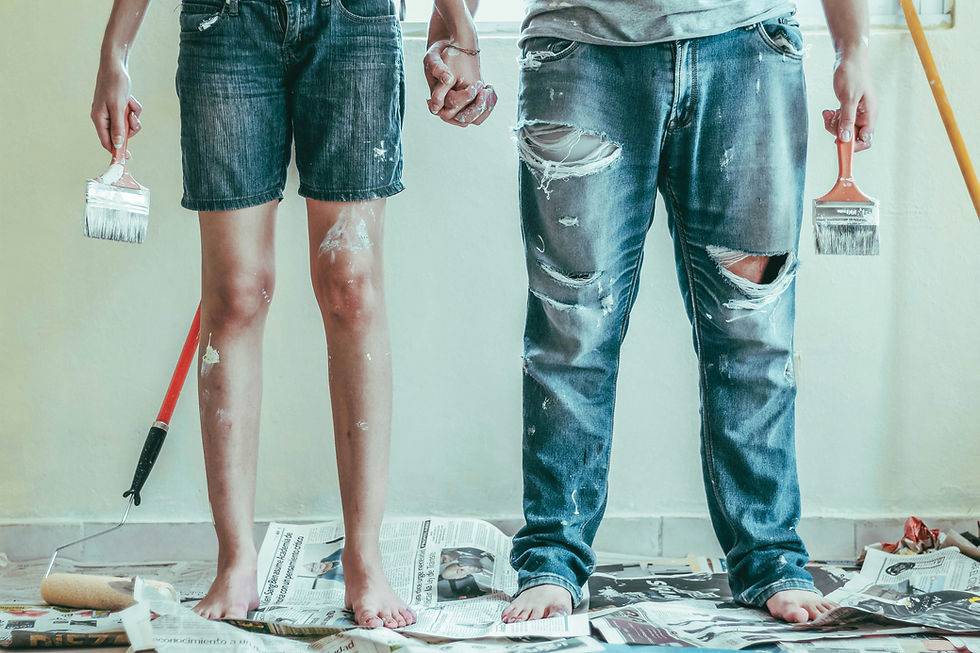
Walk through any neighborhood and you can spot the shortcuts pretty quickly. Paint that is peeling from the edges of trim, bubbling on sun-facing exterior walls, or showing a patchwork of color where someone tried to touch up instead of repaint properly. These are not signs of bad paint. They are almost always signs of skipped prep work, and they tell a story that starts long before the first brush stroke.
Florida homeowners face this challenge more acutely than most. The combination of intense UV exposure, high humidity, salt air in coastal areas, and dramatic seasonal rain cycles creates conditions that expose every weakness in a paint job faster than a temperate climate would. What might hold up for five years in a drier region can start failing in eighteen months here if the surface was not properly prepared.
Choosing a professional who understands these conditions before picking up a brush is the most important decision in any exterior paint project. Working with an affordable painting contractor in Davie who starts with thorough prep rather than skipping straight to the color saves you from the cycle of repainting every few years that catches so many homeowners off guard.
Why Prep Work Determines How Long Paint Lasts
Paint is not a filler. It does not bond to dirt, mold, chalk, or loose existing paint. It bonds to clean, solid, prepared surfaces. When a painter skips pressure washing, scraping, sanding, caulking, and priming, they are applying a finish coat to a surface that will undermine it from the start. The paint may look fine for weeks or even months, but the failure is already built in.
Properly prepared surfaces give paint something to grip. They remove contaminants that prevent adhesion, smooth out imperfections that magnify under a fresh coat, seal gaps that allow moisture to get beneath the surface, and create a consistent substrate that accepts the finish coat evenly. Every hour spent on preparation is insurance against hours of rework later.
Pressure Washing: The First Line of Defense
A proper exterior paint job in Florida starts with pressure washing. This removes mold, mildew, salt deposits, algae, loose chalk, insect debris, and years of accumulated grime that would prevent paint from bonding properly. Skipping this step or substituting a quick hose-down is one of the most common prep shortcuts, and one of the most consequential.
Pressure washing should be done at the correct pressure for the surface material. Wood siding requires lower pressure than stucco or concrete block. Directing high-pressure water into seams or under siding can force water behind the surface, creating moisture issues that cause far more damage than a little surface dirt. A professional knows the difference and adjusts accordingly.
Scraping and Sanding: Eliminating Weak Spots
Any existing paint that is peeling, bubbling, or flaking needs to come off before new paint goes on. Painting over peeling paint creates a situation where the new coat has nothing solid to anchor to in those areas; when the underlying layer eventually releases, it takes the new paint with it. Scraping those areas down to a stable substrate and feathering the edges with sandpaper creates a clean, level surface for the new coat.
On trim and woodwork, sanding smooths out brush marks from previous paint jobs and gives the new coat a clean surface to bond to. On surfaces painted many times, accumulated layers can create texture issues that sanding addresses before they are locked under another coat.
Caulking: Sealing the Moisture Entry Points
Caulking is the step that most DIY painters underestimate and most professional painters treat as critical. Any gap where two different materials meet, around windows, at the junction of trim and siding, around vents and fixtures, is a potential entry point for water. Florida's rain events are not gentle; water finds every gap with pressure and persistence.
Old or failing caulk should be removed and replaced rather than painted over. Painting over cracked caulk simply covers the problem visually while the gap continues to allow moisture infiltration beneath the surface. Proper recaulking with a paintable, flexible sealant rated for exterior use in high-humidity environments seals those entry points before the finish coat goes on.
Priming: Not Optional, Not Interchangeable
Primer is not a cheaper version of paint. It is a chemically distinct product designed to do a specific job: bond to the substrate and provide a consistent surface for the finish coat. Skipping primer, or substituting a self-priming paint on a surface that genuinely needs a dedicated primer, shows up in uneven sheen, poor coverage, premature peeling, and color inconsistency.
On bare wood, stucco, or previously unpainted surfaces, primer is non-negotiable. On surfaces that have been repaired or spot-primed, the entire surface should typically receive a full coat of primer to ensure consistent porosity before the topcoat is applied.
What It Costs When You Skip the Prep
The math on skipping prep is simple and unfavorable. A paint job that should last seven to ten years in Florida's climate with proper preparation might start failing in two to three years without it. That means repainting more frequently, which multiplies your total expenditure on paint and labor over a decade by a factor that far exceeds the cost of doing it right the first time.
There is also the cost of moisture damage to factor in. Water that gets beneath a paint film that was not properly sealed can cause wood rot, stucco delamination, and mold growth inside wall cavities. Those are structural repairs that can cost many times what proper surface preparation would have cost.
How to Evaluate Whether a Contractor Is Doing It Right
Ask any painting contractor you are considering to describe their preparation process step by step before asking about paint products or colors. A contractor who treats prep as a quick preliminary step before the real work begins is giving you a signal worth paying attention to. A contractor who walks you through each preparation stage and explains why it matters is demonstrating the professional discipline that produces a paint job that holds up.
Good paint work is honest work. The prep is where the quality lives, and the color is just the part you can see.


