
The Rise of At-Home Nervous System Tech: Why Vagus Nerve Stimulators Are Having a Moment
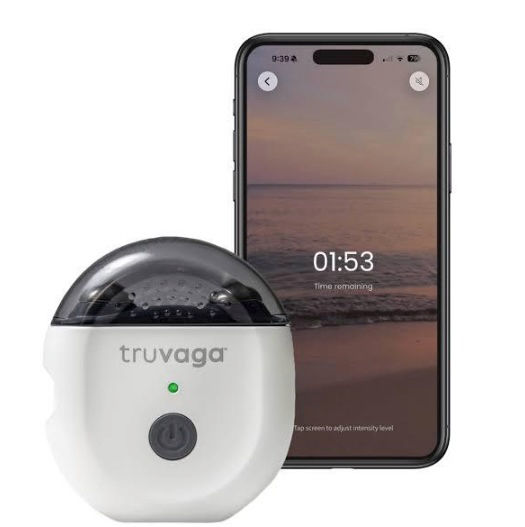
Wellness technology has moved far beyond step counters and sleep-tracking apps. Consumers are increasingly interested in tools designed to help them understand and support how their bodies respond to stress, rest, exercise, and recovery. Among the technologies gaining attention is non-invasive vagus nerve stimulation, a field that sits at the intersection of neuroscience, wearable technology, and modern wellness.
The growing interest in the vagus nerve stimulator category reflects a broader shift toward nervous-system-focused wellness. Instead of relying exclusively on meditation apps, supplements, or conventional recovery products, some consumers are exploring technology that delivers controlled stimulation to pathways associated with the vagus nerve.
Although the concept has medical roots, newer non-invasive approaches are making the technology more accessible and creating interest among athletes, biohackers, longevity enthusiasts, and everyday consumers.
What Is the Vagus Nerve?
The vagus nerve is one of the body's major communication pathways. It extends from the brainstem through the neck and connects with organs including the heart, lungs, and digestive system. It is an important component of the parasympathetic nervous system and is involved in regulating numerous involuntary functions.
Vagus nerve stimulation is not a new concept. Implantable VNS systems have been used clinically for conditions such as drug-resistant epilepsy, while researchers have investigated applications in other areas. More recently, non-invasive forms of VNS have emerged.
Unlike implantable systems, non-invasive vagus nerve stimulation uses external devices to deliver electrical stimulation through the skin. This eliminates the need for surgical implantation and has helped bring interest in the technology beyond traditional medical settings.
From Clinical Treatment to At-Home Technology
The transition from clinical neuromodulation to consumer wellness technology is one reason the category is attracting attention.
Traditional VNS requires a surgical procedure to implant a device. Non-invasive approaches deliver stimulation externally, making them a different type of technology with different potential uses and considerations.
This distinction is important. A consumer device should not automatically be considered equivalent to a medical VNS system. Different products can use different stimulation locations, frequencies, intensities, and treatment protocols.
At-home technology nevertheless fits naturally into the broader wearable-tech market. Consumers are already accustomed to using devices to monitor heart rate, sleep, exercise, and other physiological measures. Vagus nerve stimulation takes the concept a step further by attempting to interact with the nervous system rather than simply measuring it.
Why Are Vagus Nerve Stimulators Gaining Popularity?
Several trends are contributing to growing interest in nervous-system technology.
First, stress management has become a major part of the modern wellness conversation. People are increasingly exploring breathwork, meditation, sleep optimization, exercise recovery, and other techniques designed to support relaxation and resilience.
Second, the longevity movement has encouraged consumers to think about health as an ongoing process. Longevity enthusiasts often experiment with different technologies and routines in an effort to better understand their bodies and improve their daily habits.
Finally, advances in consumer electronics have made sophisticated technologies smaller, more portable, and easier to incorporate into everyday routines. These developments have helped bring neuromodulation concepts into conversations that were previously concentrated in clinical and research environments.
Athletes, Biohackers, and the Recovery Movement
Athletes and biohackers have helped increase interest in nervous-system technologies. Recovery has become an important part of performance culture, with people exploring sleep tracking, compression technology, massage devices, breathing exercises, cold exposure, and other approaches.
A non-invasive VNS device can fit into this ecosystem because it is designed to interact with neural pathways involved in autonomic regulation.
However, popularity among athletes, biohackers, or public figures should not be confused with proof of effectiveness. Individual experiences can vary, and evidence supporting one device or stimulation protocol may not apply to another.
The scientific field is still developing, with researchers examining how different approaches to non-invasive VNS may affect physiological and neurological processes.
Is Vagus Nerve Stimulation Safe?
One of the most common questions surrounding this technology is is vagus nerve stimulation safe? Safety depends on several factors, including the type of stimulation, the device being used, its settings, the duration of use, and the individual's health circumstances.
Non-invasive stimulation is generally associated with fewer serious risks than surgically implanted systems because it does not require an operation. Some users may experience temporary effects such as tingling, discomfort at the stimulation site, headache, dizziness, or nausea.
However, this does not mean every device is suitable for everyone. People with certain medical conditions or implanted electronic devices may need specific medical advice before using electrical stimulation technology.
Anyone considering VNS for a medical condition should speak with an appropriate healthcare professional rather than relying solely on consumer wellness information.
Wellness Claims Versus Medical Evidence
As nervous-system technology becomes more popular, distinguishing wellness marketing from established medical evidence becomes increasingly important.
There is growing scientific interest in non-invasive VNS, with researchers investigating potential applications involving areas such as autonomic regulation, pain, mood, migraine, and stress responses. However, evidence can vary depending on the specific application and stimulation method.
Not every claim made about a consumer vagus nerve stimulator has the same level of scientific support. Researchers continue to study which stimulation locations, frequencies, intensities, and treatment schedules may produce meaningful effects.
Consumers should therefore examine the evidence behind individual products and avoid assuming that all VNS devices work in exactly the same way.
How Vagus Nerve Technology Fits Into Modern Recovery
The growing popularity of VNS also reflects a change in the way people think about recovery. Recovery is no longer limited to rest after physical activity. It increasingly includes sleep quality, stress management, relaxation, and overall nervous-system balance.
This has created demand for technologies that can be incorporated into existing routines. A non-invasive device may appeal to someone who already uses wearable technology, tracks sleep, practices meditation, or follows a structured recovery routine.
The important consideration is how these tools fit into a broader lifestyle. Technology cannot replace fundamentals such as adequate sleep, regular physical activity, balanced nutrition, and appropriate medical care.
The Future of At-Home Nervous System Technology
The rise of nervous-system technology is part of a broader transformation in consumer health technology. Earlier generations of wearables primarily focused on measuring activity and physiological data. Emerging technologies are increasingly designed to interact with biological processes.
Non-invasive vagus nerve stimulation is one example of this movement from passive monitoring toward active neuromodulation.
As research develops, future devices may become more personalized and easier to integrate with other forms of wearable technology. Greater research and standardization may also help consumers understand which applications have meaningful evidence behind them.
A Growing Category With More to Discover
The rise of at-home nervous-system technology reflects growing interest in the connection between neuroscience, recovery, wellness, and longevity. Vagus nerve stimulators have attracted attention because they combine established concepts in neuromodulation with portable technology that can be used outside traditional clinical environments.
The category is still developing, and evidence varies depending on the device and intended purpose. For consumers, the most sensible approach is to remain curious while evaluating health claims carefully.
As research continues, non-invasive vagus nerve stimulation may become an increasingly familiar part of the wellness and recovery landscape. Understanding what the technology can realistically offer—and where scientific knowledge is still evolving—will remain important as the category grows.


